Best Orthopaedic Mattress for Sciatica Relief - Premium Collection
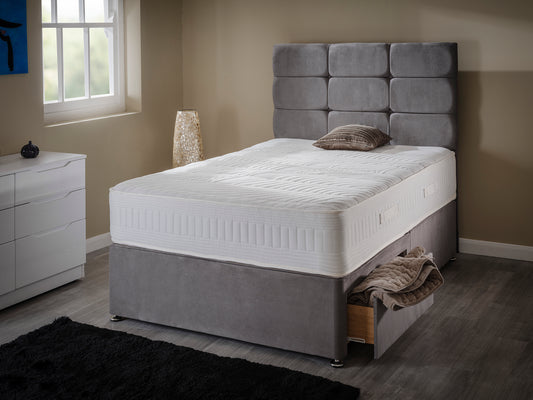
Living with sciatica can transform even the simplest activities into painful challenges, and poor sleep only compounds the problem. When sciatic nerve pain radiates from your lower back through your hips and down your legs, finding a comfortable sleeping position becomes nearly impossible on an unsupportive mattress. Our carefully curated collection of orthopaedic mattresses for sciatica relief addresses this critical need, featuring advanced support systems specifically designed to maintain proper spinal alignment and reduce nerve compression throughout the night. Each mattress in this collection combines premium pocket spring technology with pressure-relieving comfort layers, creating the optimal balance of firm support and cushioning comfort that sciatica sufferers require. Whether you need the extra firm support of our Tendersleep Flexopaedic for severe symptoms, the cooling comfort of our Diamond Laytech Cooling Gel Foam mattress for night-time temperature regulation, or the premium contouring of our Memory Foam Orthopaedic option, you'll find clinically-informed designs that prioritize spinal health. These aren't ordinary mattresses—they're therapeutic sleep surfaces engineered with high-density foams, 1000-2000+ pocket spring counts, and reinforced lumbar zones that work together to alleviate pressure on your sciatic nerve. Investing in the right orthopaedic mattress can dramatically improve your sleep quality, reduce morning stiffness, and help you wake up with less pain, giving you the restorative rest your body needs to heal and manage sciatica symptoms effectively.
Key Takeaways
- Medium-firm to firm orthopaedic mattresses provide optimal spinal alignment to reduce sciatic nerve pressure and alleviate pain during sleep
- Pocket spring systems with 1000+ springs offer targeted support for the lower back and hips, critical pressure points for sciatica sufferers
- Memory foam and cooling gel layers contour to your body while maintaining proper spinal positioning, reducing nerve compression throughout the night
- Extra firm support options are ideal for severe sciatica cases, while medium-firm works better for combination sleepers with mild to moderate symptoms
What should you look for in an orthopaedic mattress for sciatica?
When selecting an orthopaedic mattress for sciatica relief, prioritize proper spinal alignment and targeted pressure relief. The ideal mattress should maintain your spine's natural curvature while providing extra support to the lumbar region and hips, where sciatic nerve compression typically occurs. Look for mattresses with high-quality pocket spring systems (1000+ springs) that respond independently to different body zones, ensuring your lower back doesn't sink too deeply while still cushioning pressure points. Memory foam or cooling gel layers add contouring comfort without compromising support, helping to reduce inflammation and nerve irritation. Firmness matters significantly—medium-firm to extra firm options generally work best for sciatica sufferers, as they prevent excessive sinking that can misalign the spine and aggravate nerve pain. Additionally, consider mattresses with enhanced edge support to make getting in and out of bed easier, which is particularly important when experiencing sciatica flare-ups.
How do you choose the right orthopaedic mattress for sciatica relief?
- Assess your pain severity: Extra firm mattresses work best for severe, chronic sciatica, while medium-firm options suit mild to moderate symptoms and combination sleepers who change positions frequently
- Consider your sleeping position: Side sleepers with sciatica need slightly softer comfort layers to cushion hips and shoulders while maintaining spinal alignment, whereas back and stomach sleepers require firmer surfaces
- Evaluate spring count and type: Premium pocket spring systems with 1000-2000+ individual springs provide superior zoned support, responding independently to your body's contours and weight distribution
- Check for pressure-relieving layers: Memory foam, cooling gel, or latex comfort layers help distribute weight evenly and reduce pressure on the sciatic nerve pathway from lower back through hips and legs
- Look for cooling technology: Sciatica pain can disrupt sleep and cause night sweats; cooling gel foams and breathable materials help regulate temperature for more restorative rest
- Verify orthopaedic certification: Genuine orthopaedic mattresses are designed with spinal health in mind, featuring reinforced lumbar zones and firmer support cores specifically engineered for back pain relief
Read Also
Frequently Asked Questions
What type of mattress is best for sciatica nerve pain?
Is an orthopedic mattress good for sciatica?
How firm should a mattress be for sciatica pain?
Can a mattress help relieve sciatica symptoms?
What's better for sciatica: memory foam or pocket spring mattress?
Sources
- Best Mattress for Sciatica 2025 - National Council on Aging — www.ncoa.org
- Best Mattress for Sciatica — www.sleepfoundation.org
- The Best Mattress for Sciatica: Expert Picks for Pain Relief — sleepdoctor.com
- Best Mattresses For Sciatica 2025 - Forbes Vetted — www.forbes.com
- Best Mattress for Lower Back Pain and Sciatica: Our Top Picks for Relief in 2025! — www.youtube.com
-
Galaxy Orthopaedic Spring Mattress - 12.5G Support System
Regular price From £199.00Regular priceUnit price per£250.00Sale price From £199.00Sale -
Diamond Laytech Cooling Gel Foam Mattress - 1000 Pocket Springs
Regular price From £639.00Regular priceUnit price per£800.00Sale price From £639.00Sale -
Tendersleep Flexopaedic Orthopaedic Mattress - Extra Firm Support
Regular price From £429.00Regular priceUnit price per£540.00Sale price From £429.00Sale -
Memory Foam Orthopaedic Mattress - Medium Firm Support
Regular price From £399.00Regular priceUnit price per£500.00Sale price From £399.00Sale -
Elite Orthopaedic Mattress - 12.5G Spring System Cool Touch
Regular price From £379.00Regular priceUnit price per£475.00Sale price From £379.00Sale -
Diamond Laytech 2000 Pocket Spring Mattress - Premium Foam
Regular price From £569.00Regular priceUnit price per£715.00Sale price From £569.00Sale