
Best Non‑Toxic Mattresses for Babies UK 2025: Craftsmanship, Materials, and Value You Can Trust
Safe sleep starts with a firm, well‑made cot mattress that doesn’t introduce unnecessary chemicals into your baby’s environment. If you’re worried about SIDS, chemical exposure, or synthetic off‑gassing, you’re not alone—UK parents increasingly prioritise certified materials, breathability, and compliance with safety standards. This guide explains what “non‑toxic” truly means, how to evaluate materials and certifications (GOTS, GOLS, OEKO‑TEX), and which mattresses in our range deliver on baby‑friendly design with strong craftsmanship. Think of it like selecting a luxury suit: the fit (snug in the cot), the cut (support and firmness), and the fabric (clean, quality materials) all matter—crafted to a standard you can feel confident about, night after night.
Key takeaways / Summary
- Price tiers (typical for non‑toxic picks): Premium £400–£600; Mid‑range £250–£400; Budget £150–£250. Current baby‑suitable options in our store range from £409 to £609.
- Top brand in our selection: Tender Sleep.
- Best features for safer baby sleep: firm support, breathable design, clean materials (e.g., organic cotton), limited or disclosed foams, and a snug cot fit (no gaps).
- What to look for:
- Certifications: GOTS (organic cotton), GOLS (organic latex), OEKO‑TEX (textiles tested for harmful substances). These validate low‑toxicity claims—verify on the product page or label.
- Breathability & temperature: pocket‑spring cores improve airflow; natural covers (like organic cotton) help moisture management.
- UK safety: Check compliance with UK cot mattress safety standards (e.g., BS EN 16890) and domestic flammability regulations.
- Fit: Mattress should fit snugly in the cot with no unsafe gaps.
- Craftsmanship & value: Individually housed pocket springs (e.g., 1000–2000) distribute weight evenly—precision support that feels “tailored” to a growing body.
- Market context: UK demand for safer, cleaner baby sleep is rising; the broader baby mattress market is projected to reach USD 2.30B by 2035 (6.44% CAGR from 2025–2035).
Transparency note: Only use product pages and labels to confirm specific certifications; not all baby‑suitable mattresses carry third‑party certifications, and claims vary by model. Our recommendations below use only the exact, verified details we have.
How we evaluate “non‑toxic” for baby mattresses
“Non‑toxic” means minimising your baby’s exposure to potentially harmful substances. Three pillars matter:
- Materials: Prioritise natural fibres (e.g., organic cotton) and well‑disclosed foams/latex. Avoid undisclosed chemical treatments when possible.
- Third‑party certifications: GOTS (Global Organic Textile Standard) for cotton, GOLS (Global Organic Latex Standard) for latex, and OEKO‑TEX Standard 100 for textiles help validate low‑toxin claims. If a product is certified, it should clearly state it on the product page or label.
- Engineering & build: Pocket‑spring systems and breathable covers improve air circulation, while firm, even support reduces face‑sinking risk for infants.
Parents often ask about SIDS: no mattress can eliminate SIDS risk. What you can do is follow safe sleep guidance and choose a firm, snug‑fitting, well‑ventilated mattress made from clean materials. It’s a craftsmanship‑first approach—like the best Italian tailoring, the skill in how components are layered and finished matters as much as the fabric itself.
Editor’s picks 2025 (Premium £400–£600)
These four mattresses from Tender Sleep are engineered with pocket springs, breathable designs, and materials aligned to baby‑friendly use cases. All pricing and features below are exactly as provided. If you’re shopping for a cot, confirm the size variant and age suitability on the product page and ensure the mattress meets BS EN 16890 and UK flammability regulations.
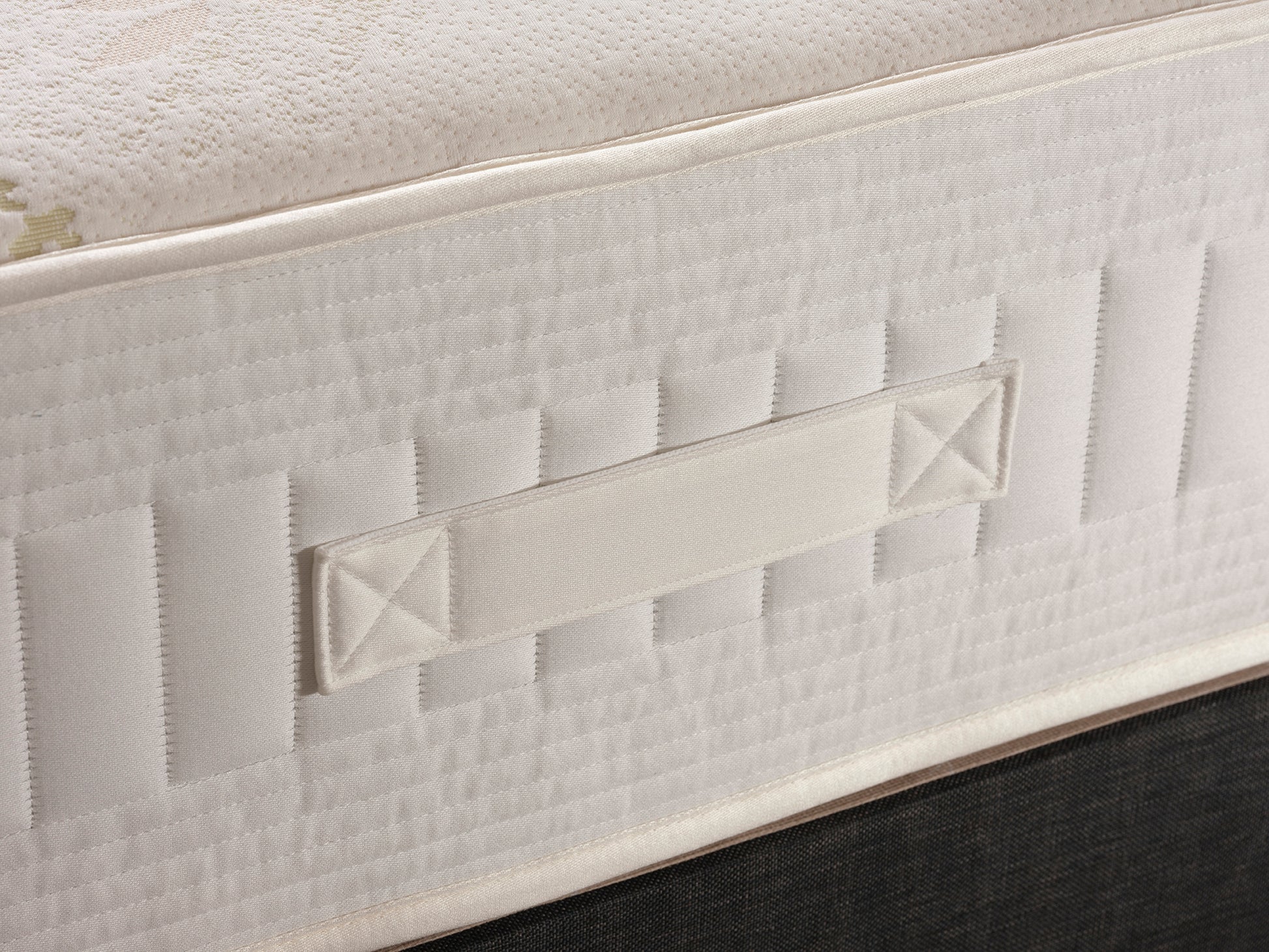
Organic Cotton Mattress - 2000 Pocket Springs Memory Foam
£609.00
Brand: Tender Sleep
Material: 100% Organic Cotton, Memory Foam, Pocket Springs
- 2000 pocket springs minimise motion transfer and encourage airflow through the core
- Breathable, organic‑cotton‑rich surface with “chemical‑free materials” noted on the page

Diamond Laytech 2000 Pocket Spring Mattress - Premium Foam
£569.00
Brand: Tender Sleep
Material: Laytech Foam, Latex
- 2000 individually housed pocket springs for precise, even weight distribution
- Laytech foam with latex‑like responsiveness for controlled, contour‑aware comfort

Diamond Laytech 1000 Pocket Spring Mattress
£509.00
Brand: Tender Sleep
Material: Premium Foam, Latex, Pocket Springs
- 1000 pocket springs offer stable, adaptive support for growing bodies
- Latex‑inspired feel balances gentle cushioning with underlying structure

Aloe Vera Infused Pocket Spring Mattress - Natural Cooling
£409.00
Brand: Tender Sleep
Material: Aloe Vera, Pocket Springs
- Textile infused with natural Aloe Vera for a soft, soothing hand‑feel
- Airy pocket‑spring core aids temperature balance; currently with a 20% OFF promotional offer
Why we chose these: They combine baby‑appropriate use cases with strong support systems. The Organic Cotton Mattress explicitly cites “breathable and chemical‑free materials,” while the Laytech and Aloe Vera models add modern comfort foams and finishes. If you’re prioritising fewer synthetics, the Organic Cotton Mattress is the most direct fit. For parents who want premium, tailored support with contemporary foams, the Diamond Laytech models and Aloe Vera option balance comfort with baby‑ready use cases. Always check the firmness rating, size availability for your cot, and any age‑specific guidance on the product page.
Material choices: why they matter for babies
Babies can sleep 13+ hours daily in the early months—so the materials beneath them matter. Here’s how to evaluate what’s inside your shortlist:
- Organic cotton cover and layers: Soft, breathable, and naturally moisture‑friendly. Look for GOTS certification when available (it verifies organic fibre content and responsible processing).
- Latex and foam: High‑quality latex and foams can offer excellent pressure relief and consistency. If choosing latex, GOLS certification indicates organic latex content; for any textile components, OEKO‑TEX Standard 100 helps ensure testing for harmful substances.
- Pocket springs: Individually housed springs (e.g., 1000–2000) distribute weight evenly, keep the sleep surface firm, and allow air to circulate through the core—beneficial for temperature regulation and humidity control.
In non‑toxic buying, two things elevate quality: the “tailoring” of the build (how layers are combined and finished) and the integrity of the materials. Like a well‑cut Italian suit, you feel the difference in structure and breathability from the first wear—here, from the first sleep. If you’re unsure about finishes (e.g., stain‑resist, antimicrobial, or flame retardant treatments), ask the retailer how compliance is achieved and whether finishes are disclosed.
Breathability and temperature regulation
Overheating is a known sleep risk factor. Breathable construction helps your baby maintain a stable microclimate:
- Spring‑based cores (like the 2000 or 1000 pocket systems above) promote airflow compared with dense, continuous foam cores.
- Natural fibre faces (e.g., organic cotton) wick moisture more effectively than many synthetics.
- For sensitive skin, gentle finishes (e.g., Aloe Vera infused textiles) may provide a soothing feel.
On balance, the Organic Cotton Mattress leads on breathability and material simplicity. The Diamond Laytech 2000 and Diamond Laytech 1000 add modern cushioning with their foam/latex blends, while the Aloe Vera option emphasises a soothing, breathable cover.
UK baby mattress safety standards in plain English
Before you buy, confirm compliance with relevant UK standards and regulations on the product page or label:
- BS EN 16890 (cot mattress safety): Addresses mechanical hazards, entrapment risks, and more for infant mattresses.
- UK domestic flammability regulations: Mattresses must meet specific fire safety requirements; details should be available from the retailer or manufacturer.
- Fit and firmness: Choose a firm mattress that fits your cot with no unsafe gaps.
If a model is certified (e.g., GOTS, GOLS, OEKO‑TEX), it should clearly state that; certifications are not implied without explicit mention. Where age guidance is specified, follow it closely.
Which mattress fits your baby’s needs?
- Newborns (0–6 months): Prioritise firmness and breathability. The Organic Cotton Mattress combines 2000 pocket springs (stable, firm support) with a breathable organic cotton composition and explicit “chemical‑free materials.” Always confirm the overall firmness and infant suitability on the product page.
- 6–18 months: You still need a firm surface, but pressure distribution helps with growing bodies. The Diamond Laytech 1000 offers adaptable support with pocket springs and a luxury latex‑like feel.
- Toddlers and early years: Support consistency and temperature regulation matter for longer sleep stretches. Consider the Diamond Laytech 2000 (more springs for weight distribution) or the Aloe Vera model for its soothing cover.
Budget and value: where the best buys sit right now
- Premium (£400–£600): All four picks fall into this bracket (£409–£609). Expect better pocket‑spring engineering and upgraded face fabrics.
- Mid‑range (£250–£400): If you’re targeting this band, keep an eye on our Chemical Free Mattress and Eco Friendly Mattress collections for new releases or promotions.
- Budget (£150–£250): Safer baby mattresses in this tier can be harder to find with the same material controls; review specifications and certifications closely if you shop here.
Where to research further (helpful internal resources)
- Buying guidance and roundups: Chemical‑Free Mattresses for Nurseries 2025
- Material‑first browsing: Organic Cotton, Eco Friendly Mattress, Chemical Free Mattress
- Nursery‑focused collections: New Baby Nursery Sleep Solutions, Newborn Twins Nursery Sleep Essentials
How to read a product page like a pro
Think of the specs as you would the fabric notes on a bespoke suit:
- Cover and comfort layers: Are they natural (e.g., organic cotton), or foam/latex? If synthetic, are they disclosed and tested?
- Core construction: Pocket‑spring count and gauge communicate responsiveness and airflow (2000 offers finer weight distribution than 1000).
- Use‑case clarity: Baby‑friendly claims should be explicit on the page (e.g., “ideal for infants and toddlers”).
- Certifications: Only trust the badges listed; if not present, assume not certified.
- Care and hygiene: Removable/washable covers and waterproof barriers can help, but make sure any barrier doesn’t block breathability.
- Evidence on request: For certified products, ask for certificate numbers or links; for safety standards, request confirmation that the specific size you’re buying (cot dimensions) is tested to BS EN 16890.
Practicalities parents care about (and how to decide)
- If your top priority is minimal chemical exposure: Start with the Organic Cotton Mattress. Its “breathable and chemical‑free materials” note aligns with a cautious approach.
- If your child runs warm: A pocket‑spring mattress with breathable faces is a smart base; spring counts of 1000–2000 help with airflow. Consider the Diamond Laytech 1000 or Diamond Laytech 2000.
- If your little one has sensitive skin: The Aloe Vera model features a cover infused with natural Aloe Vera, designed for a soothing sleep environment.
Care and longevity
- Rotate regularly (if recommended by the manufacturer) to maintain even wear and consistent support.
- Use a breathable, snug, fitted sheet; avoid piling on thick toppers that compromise firmness or airflow.
- Spot‑clean promptly and follow the product page’s care instructions. If covers are removable, wash per label guidance.
- If you use a protector, choose a breathable, waterproof option (e.g., a thin TPU‑backed protector) that does not impede airflow or change firmness.
The market outlook: why parents are upgrading in 2025
More parents are investing in non‑toxic, higher‑craft mattresses—mirroring a shift toward sustainable, quality‑first purchasing. Research indicates the baby mattress market is on track to reach USD 2.30B by 2035, growing at a 6.44% CAGR (2025–2035). Beyond the numbers, the “why” is clear: newborns’ long sleep hours mean material choices matter, and the assurance of verified textiles and well‑ventilated builds brings peace of mind.
Nursery setup checklist (safety‑first)
- Cot and mattress: Choose a firm mattress that fits snugly in the cot (no hazardous gaps). Confirm safety standard compliance and any available material certifications on the product label/page.
- Bedding: Use a breathable, fitted cot sheet—no loose blankets, pillows, quilts, or positioners in the cot.
- Room temperature: Keep the nursery comfortably cool. Avoid over‑bundling; dress your baby appropriately for the season.
- Ventilation: Ensure good airflow around the cot; avoid wedging the cot against radiators or drafty windows.
- Monitor and lighting: Place monitors and cords well out of baby’s reach; use soft, indirect lighting for night feeds.
- Room‑sharing: Follow UK guidance by keeping your baby in the same room (but not the same bed) for the first 6 months.
Safe sleep guidelines (quick reference)
- Always place your baby on their back to sleep, on a firm, flat surface.
- Keep the cot clear—no bumpers, pillows, soft toys, or loose bedding.
- Don’t overheat: check baby’s neck or upper back for sweat; adjust layers accordingly.
- Confirm the mattress fits snugly in the cot with no unsafe gaps (as a rule of thumb, no more than two adult fingers).
- Regularly check for wear: no dips, tears, or broken seams.
FAQ: quick answers for parents
- Do I need a waterproof layer? Yes, accidents happen. Choose a breathable, waterproof protector that fits tightly and does not change firmness.
- Are foam or memory‑foam layers suitable for infants? For newborns, a firm, flat surface is essential. If a mattress includes foam comfort layers, confirm the overall firmness, infant suitability, and BS EN 16890 compliance on the product page.
- How do I check firmness at home? Press near the centre and edges with two fingers—the surface should spring back quickly and not hold a deep impression.
- What about new‑mattress odour? Ventilate the room and allow the mattress to air before first use. Any odour should dissipate quickly in a well‑ventilated space.
- When should I replace a baby mattress? Replace if you notice sagging, tears, broken seams, or after significant spills that can’t be fully cleaned and dried.
- How do I ensure the right fit? Measure your cot’s internal dimensions and match them to the mattress listing. Aim for no perceptible gaps once fitted.
Final thoughts: finding the right balance of purity and performance
The best baby mattress balances clean materials, firm support, and careful build. If you want the simplest material story, organic cotton and a breathable pocket‑spring core are a proven pairing. If you prefer modern foam/latex comfort with clear baby‑ready use cases, Laytech blends or Aloe Vera finishes offer measured softness without giving up structure. Like a fine, well‑constructed suit, your baby’s mattress should feel quietly capable—crafted to last the season you need it most.
Browse more material‑led picks in our Organic Cotton and Chemical Free Mattress collections, and keep an eye on the Eco Friendly Mattress range for new releases. For deeper background on choosing safer mattresses for nurseries, read our guide: Chemical‑Free Mattresses for Nurseries 2025.