Best Orthopaedic Mattress for Athletes - Premium Sleep Solutions
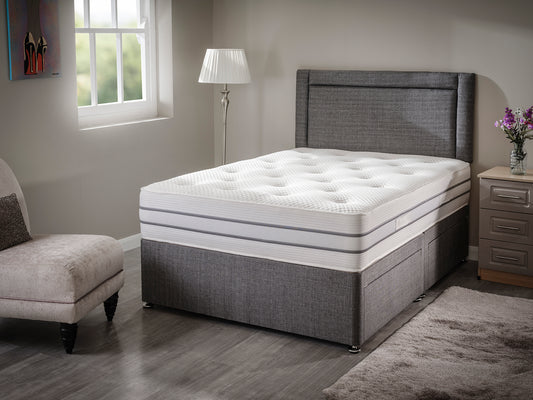
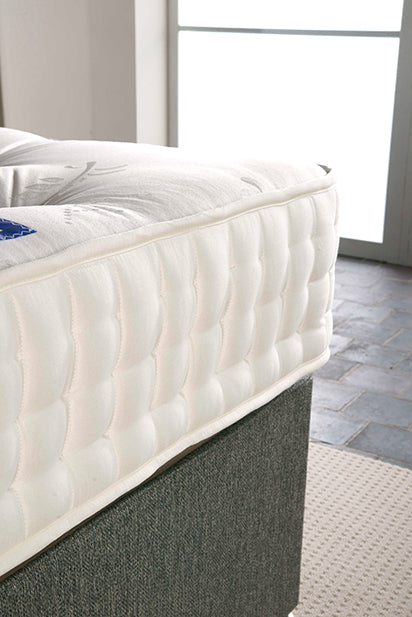
Athletic performance isn't just built in the gym or on the field—it's forged during the critical recovery hours you spend sleeping. For athletes at every level, from weekend warriors to professional competitors, your mattress is as essential to your training regimen as your nutrition and workout program. Our curated collection of orthopaedic mattresses for athletes represents the pinnacle of sleep technology designed specifically to support your body's unique recovery needs. Each mattress in this collection has been selected for its ability to deliver the three pillars of athletic sleep: optimal spinal alignment to prevent injury and reduce strain, advanced pressure relief to accelerate muscle recovery and reduce inflammation, and superior temperature regulation to maintain the cool sleeping environment essential for deep, restorative sleep. Whether you're a powerlifter requiring extra-firm support for a heavily muscled frame, an endurance athlete seeking pressure relief for overworked joints, or a team sport athlete needing motion isolation for undisturbed recovery, you'll find a scientifically designed solution here. From pocket spring systems with 1000+ individual coils that respond to your body's every contour, to cooling gel foam technologies that dissipate heat throughout the night, to edge-to-edge support structures that maximize your sleeping surface—these orthopaedic mattresses transform your bedroom into a recovery sanctuary. Invest in the foundation of your athletic success and discover how the right mattress can enhance your performance, reduce injury risk, and help you achieve your competitive goals.
Key Takeaways
- Athletes require mattresses with superior pressure relief and spinal alignment to support muscle recovery and reduce inflammation during sleep
- Medium-firm to firm orthopaedic mattresses with pocket spring systems provide optimal support for athletic bodies and varying sleep positions
- Cooling technologies like gel foam and breathable materials prevent overheating, crucial for athletes with higher metabolic rates
- Edge-to-edge support and motion isolation help maintain proper sleeping posture and prevent disrupted sleep cycles essential for performance
What should you look for in an orthopaedic mattress for athletic recovery?
An ideal orthopaedic mattress for athletes must balance several critical factors to optimize recovery and performance. First, look for advanced support systems like pocket springs (1000+ count) or high-density memory foam that contour to your body while maintaining spinal alignment. Athletes place greater stress on joints and muscles, so pressure point relief is essential—particularly around shoulders, hips, and lower back. Temperature regulation is equally important; athletes typically have higher metabolic rates and body temperatures during sleep, making cooling gel foam, breathable covers, and moisture-wicking materials non-negotiable features. The mattress firmness should match your body weight and primary sleeping position—heavier athletes or back sleepers often benefit from firmer support (medium-firm to extra firm), while lighter athletes or side sleepers may prefer medium-firm options. Finally, consider edge-to-edge support for maximum sleeping surface and durability, as athletic bodies demand mattresses that maintain structural integrity over time without sagging or developing body impressions.
How do you choose the right orthopaedic mattress for athletic performance and recovery?
- Assess your sport and recovery needs: Contact sports and weightlifting require firmer support for muscle recovery, while endurance athletes may benefit from pressure-relieving memory foam to reduce inflammation
- Match firmness to body weight and sleep position: Athletes over 200 lbs typically need firmer mattresses (firm to extra firm), while lighter athletes perform better on medium-firm surfaces; side sleepers need more cushioning than back or stomach sleepers
- Prioritize cooling technology: Look for gel-infused foam, breathable pocket spring systems, and cooling fabric covers to prevent night sweats and maintain optimal sleep temperature for growth hormone release
- Evaluate support architecture: Pocket spring systems (1000+ springs) provide targeted support and motion isolation, while high-density orthopaedic foam offers consistent pressure distribution across the entire body
- Consider injury history: Athletes with chronic back pain, joint issues, or previous injuries should prioritize spinal alignment features and pressure relief zones that accommodate vulnerable areas
- Test motion isolation: If sharing a bed, ensure the mattress minimizes motion transfer so training partners' movements don't disrupt your critical sleep cycles
Read Also
Frequently Asked Questions
What mattress do most athletes use?
What mattress do NFL players use?
What mattress does Michael Phelps use?
Should athletes sleep on a firm mattress?
How does mattress firmness affect athletic recovery and performance?
Sources
- Best Orthopedic Mattress (2025) | Doctor Approved — sleepopolis.com
- Best Orthopedic Mattress of 2025: Enhanced Cushioning and Support — sleepdoctor.com
- 9 Best Mattresses For Athletes (2025) | Mattress Clarity — www.mattressclarity.com
- 10 Best Orthopedic Mattresses of 2025, Expert Tested - Sleep Advisor — www.sleepadvisor.org
- Best Mattress for Athletes of 2025 — www.sleepfoundation.org
-
Emerald Firm Mattress 1000 Pocket Springs - Edge-to-Edge Support
Regular price From £449.00Regular priceUnit price per£565.00Sale price From £449.00Sale -
Tendersleep Flexopaedic Orthopaedic Mattress - Extra Firm Support
Regular price From £429.00Regular priceUnit price per£540.00Sale price From £429.00Sale -
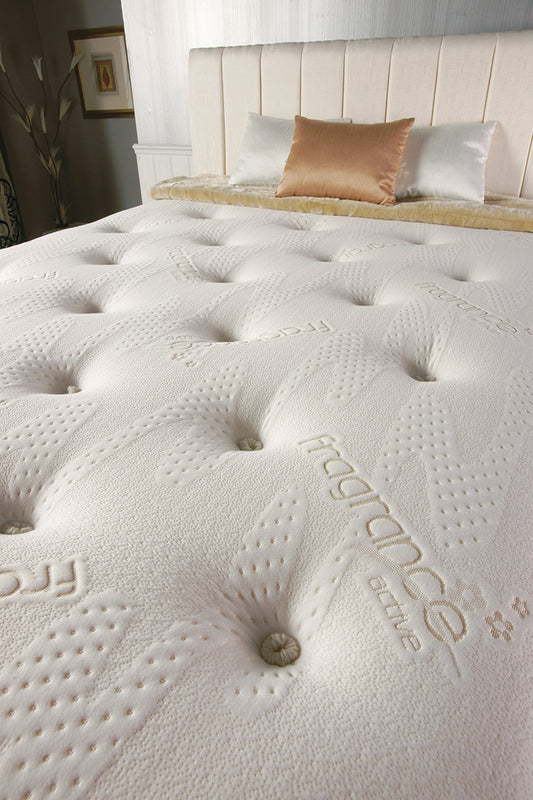
Ylang Ylang Fragrance Active Mattress - Memory Foam Orthopaedic
Regular price From £359.00Regular priceUnit price per£450.00Sale price From £359.00Sale -
Diamond Laytech Cooling Gel Foam Mattress - 1000 Pocket Springs
Regular price From £639.00Regular priceUnit price per£800.00Sale price From £639.00Sale -
Memory Foam Orthopaedic Mattress - Medium Firm Support
Regular price From £399.00Regular priceUnit price per£500.00Sale price From £399.00Sale -
Elite Orthopaedic Mattress - 12.5G Spring System Cool Touch
Regular price From £379.00Regular priceUnit price per£475.00Sale price From £379.00Sale