Best Mattress for Platform Beds - Premium Sleep Solutions
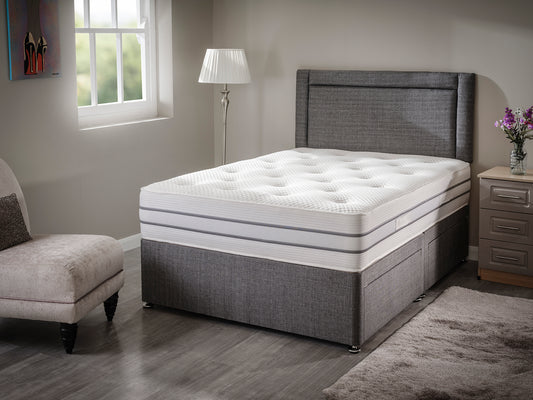
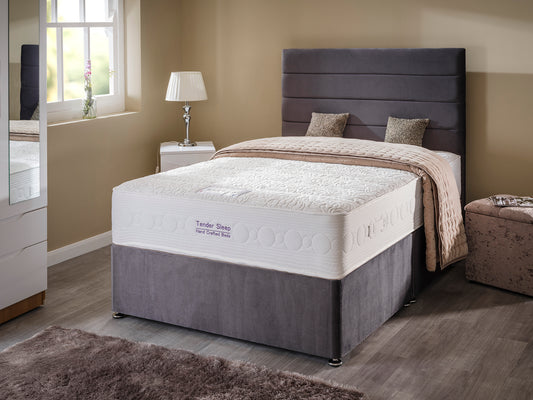
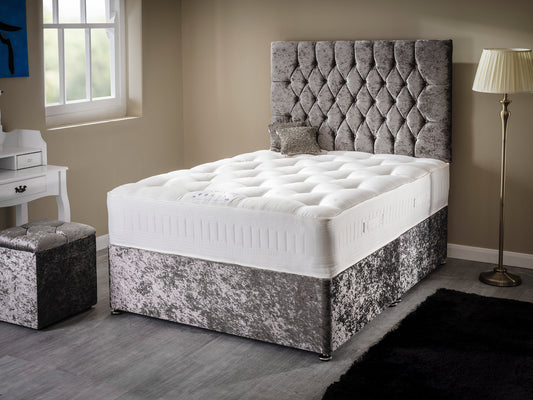
Finding the perfect mattress for your platform bed requires understanding how these modern bed frames work with different mattress technologies. Unlike traditional bed frames that require box springs, platform beds feature a solid or slatted surface that provides direct support to your mattress, creating a firmer, more supportive sleep surface. Our curated collection features the best mattresses specifically suited for platform beds, including premium pocket spring systems, cooling gel foam options, and hybrid designs that maximize the benefits of platform bed construction. Whether you prefer the responsive support of individually wrapped pocket springs, the contouring comfort of memory foam, or the balanced performance of hybrid mattresses, each option in this collection has been selected for its ability to perform optimally on platform bed frames. These mattresses offer the right combination of thickness, edge support, breathability, and structural integrity to ensure years of comfortable sleep without requiring additional foundation support. From the luxurious double-sided construction of our Onyx 3000 to the cooling technology of our Diamond Laytech Gel Foam models, discover mattresses engineered to complement your platform bed's sleek design while delivering exceptional comfort and support night after night.
Key Takeaways
- Platform beds work best with mattresses between 8-14 inches thick that don't require a box spring
- Pocket spring and hybrid mattresses provide excellent support and airflow on platform bed frames
- Memory foam and gel-infused mattresses are ideal for platform beds due to their solid support base
- Edge-to-edge support is crucial for platform beds to maximize sleeping surface and prevent sagging
What should you look for in a mattress for a platform bed?
When selecting a mattress for a platform bed, prioritize models specifically designed to work without a box spring foundation. The ideal mattress should have a robust support core—whether pocket springs, high-density foam, or a hybrid combination—that can perform optimally on a solid or slatted platform surface. Look for mattresses with reinforced edge support to maximize the usable sleeping surface and prevent roll-off, as platform beds typically showcase the entire mattress perimeter. Thickness is another critical factor; mattresses between 10-14 inches provide the best balance of comfort and aesthetics on platform frames. Additionally, consider breathability features like cooling gel layers or natural materials, as platform beds can restrict airflow beneath the mattress. Finally, ensure the mattress weight is appropriate for your platform bed's slat spacing—heavier pocket spring mattresses work well with closely-spaced slats, while foam mattresses are more forgiving with wider gaps.
How do you choose the right mattress firmness for your platform bed?
- Consider your sleeping position: side sleepers typically need medium-soft to medium firmness, back sleepers benefit from medium to medium-firm, and stomach sleepers require firmer support
- Evaluate your body weight: heavier individuals (over 230 lbs) generally need firmer mattresses with robust pocket spring systems, while lighter individuals (under 130 lbs) often prefer softer comfort layers
- Account for partner preferences: dual-sided mattresses or those with multi-zone support can accommodate different firmness needs, while pocket spring systems minimize motion transfer between sleepers
- Test the combination: platform beds provide a firmer feel overall, so choose a mattress one level softer than you might select for a traditional box spring setup
- Consider temperature regulation: firmer mattresses with cooling gel or natural breathable materials work well on platform beds where airflow may be restricted
Read Also
Frequently Asked Questions
How thick should a mattress be for a platform bed?
Does a platform bed require a special mattress?
Can you use a foam mattress on a platform bed?
What's the difference between pocket spring and memory foam mattresses for platform beds?
Do platform beds make mattresses feel firmer?
Sources
- Best Mattresses for Platform Beds (2025) - Mattress Clarity — www.mattressclarity.com
- The 10 Best Mattresses for Platform Beds, Doctor and Sleep Science Coach Approved | Expert Tested (2025) — sleepopolis.com
- Best Mattress for Platform Beds (2025) | Expert-Tested — www.sleepadvisor.org
- Best Mattress for Platform Beds of 2025 - eachnight — eachnight.com
- Best Mattress for a Platform Bed 2025 — www.mattressnerd.com
-
Emerald Firm Mattress 1000 Pocket Springs - Edge-to-Edge Support
Regular price From £449.00Regular priceUnit price per£565.00Sale price From £449.00Sale -
Diamond Laytech 1000 Pocket Spring Mattress - Premium Foam Comfort
Regular price From £509.00Regular priceUnit price per£640.00Sale price From £509.00Sale -
Onyx 3000 Pocket Spring Mattress - Double Sided Silk Wool
Regular price From £709.00Regular priceUnit price per£890.00Sale price From £709.00Sale -
Diamond Laytech Cooling Gel Foam Mattress - 1000 Pocket Springs
Regular price From £639.00Regular priceUnit price per£800.00Sale price From £639.00Sale -
Memory Comfort Mattress - Multi-Zone Visco Foam with Cool Touch
Regular price From £449.00Regular priceUnit price per£565.00Sale price From £449.00Sale