Best Mattress for Fibromyalgia - Premium Pain Relief Collection
Living with fibromyalgia presents unique sleep challenges, from widespread pain and tender pressure points to temperature sensitivity and sleep disruption. The right mattress can make a profound difference in managing symptoms and improving sleep quality. Our carefully curated collection features the best mattresses specifically suited for fibromyalgia sufferers, combining advanced pressure-relief technologies with supportive designs that promote restorative rest. Each mattress in this collection has been selected for its ability to address the core concerns of fibromyalgia patients: minimizing pressure on sensitive areas, maintaining proper spinal alignment, regulating temperature, and reducing motion transfer for undisturbed sleep. From cooling gel-infused memory foam to responsive pocket spring systems with multiple comfort layers, these mattresses represent the latest innovations in pain-relief sleep technology. Whether you're a side sleeper needing extra cushioning for shoulders and hips, or a back sleeper requiring balanced support, you'll find options designed to accommodate your specific needs. Our collection includes orthopaedic designs recommended by healthcare professionals, natural cooling materials for temperature regulation, and multi-zone support systems that adapt to your body's unique contours. Investing in a quality mattress tailored for fibromyalgia isn't just about comfort—it's an essential component of pain management and overall health. Explore our selection to discover how the right sleep surface can help reduce morning stiffness, minimize pain flare-ups, and provide the restorative sleep your body needs to better manage fibromyalgia symptoms.
Key Takeaways
- Medium-firm mattresses with pressure-relieving foam layers provide optimal support for fibromyalgia pain management
- Pocket spring systems with 1000+ coils offer targeted support while reducing motion transfer for undisturbed sleep
- Cooling technologies like gel foam and breathable covers help regulate temperature, addressing fibromyalgia heat sensitivity
- Memory foam and orthopaedic designs distribute body weight evenly, minimizing pressure on tender points and trigger areas
What should you look for in a mattress for fibromyalgia?
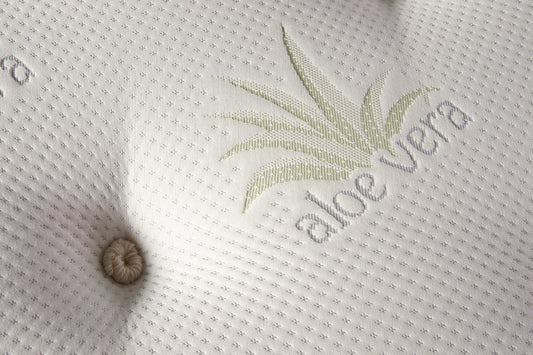
When selecting a mattress for fibromyalgia, prioritize pressure relief and proper spinal alignment. The ideal mattress should feature multiple comfort layers that cushion sensitive pressure points while maintaining adequate support to prevent additional pain. Look for pocket spring systems with at least 1000 individual coils, which contour to your body shape and provide zoned support where you need it most. Memory foam or latex comfort layers are essential as they distribute your weight evenly across the surface, reducing concentrated pressure on hips, shoulders, and other tender areas. Temperature regulation is equally important since many fibromyalgia patients experience heightened heat sensitivity; choose mattresses with cooling gel infusions, breathable covers, or natural materials like aloe vera that promote airflow. Medium-firm support typically works best, offering enough cushioning for comfort without allowing excessive sinking that can strain muscles and joints. Finally, consider hypoallergenic materials to minimize potential triggers that could disrupt sleep quality.
How do you choose the right mattress firmness for fibromyalgia pain relief?
- Medium-firm (5-7 on firmness scale) provides the optimal balance between pressure relief and support for most fibromyalgia sufferers, preventing both excessive sinking and uncomfortable firmness
- Side sleepers with fibromyalgia may benefit from slightly softer options (medium) to cushion shoulders and hips, while back sleepers often need medium-firm for proper spinal alignment
- Test for proper support by checking if your spine remains neutral when lying down; there should be no gaps between your lower back and the mattress, yet no uncomfortable pressure points
- Consider your weight distribution—lighter individuals (under 130 lbs) typically need softer surfaces for adequate contouring, while heavier individuals require firmer support to prevent excessive compression
- Multi-zone or orthopaedic designs offer variable firmness across different body regions, providing customized support that adapts to your specific pain patterns and sleeping position
Read Also
Frequently Asked Questions
What is the best material for fibromyalgia patients?
How to sleep well with fibromyalgia?
What mattress firmness is best for chronic pain?
What mattress do most chiropractors recommend?
Are memory foam mattresses good for fibromyalgia?
Sources
- Best Mattress for Fibromyalgia — www.sleepfoundation.org
- Best Mattress for Fibromyalgia (2025): Backed by Medically-Reviewed Testing Data — sleepopolis.com
- How to Choose the Best Mattress for Fibromyalgia Relief — www.mattressinsider.com
- Best Mattress For Fibromyalgia 2025 | Top Picks From Dr. Jordan Burns — www.youtube.com
- Guide: The Best Mattress for Fibromyalgia (+ Sleeping Tips) — www.ghostbed.com
-
Memory Foam Orthopaedic Mattress - Medium Firm Support
Regular price From £399.00Regular priceUnit price per£500.00Sale price From £399.00Sale -
Diamond Laytech 1000 Pocket Spring Mattress - Premium Foam Comfort
Regular price From £509.00Regular priceUnit price per£640.00Sale price From £509.00Sale -
Memory Comfort Mattress - Multi-Zone Visco Foam with Cool Touch
Regular price From £449.00Regular priceUnit price per£565.00Sale price From £449.00Sale -
Diamond Laytech Cooling Gel Foam Mattress - 1000 Pocket Springs
Regular price From £639.00Regular priceUnit price per£800.00Sale price From £639.00Sale -
Diamond Laytech 2000 Pocket Spring Mattress - Premium Foam
Regular price From £569.00Regular priceUnit price per£715.00Sale price From £569.00Sale -
Aloe Vera Infused Pocket Spring Mattress - Natural Cooling
Regular price From £409.00Regular priceUnit price per£515.00Sale price From £409.00Sale