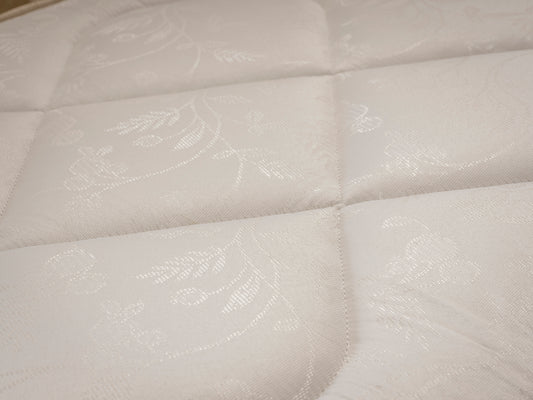
Best Mattress for Bunk Beds - Premium Sleep Solutions
Finding the perfect mattress for your bunk bed requires balancing safety, comfort, and support—and we've curated this collection to make that choice simple. Bunk beds have specific requirements that standard mattresses don't address, particularly regarding thickness and guardrail clearance. Our selection features mattresses ranging from 7 to 10 inches thick, each carefully chosen to meet safety standards while delivering the comfort your family deserves. Whether you're furnishing a children's room, a college dorm, a guest space, or maximizing square footage in a small home, you'll find options suited to every sleeper and budget. From economical open coil spring mattresses that provide reliable, firm support to advanced memory foam designs with cooling technology and pressure relief, each mattress in this collection is appropriate for bunk bed use. We've included orthopaedic options for those requiring enhanced spinal support, as well as budget-friendly choices that don't compromise on quality. All feature durable construction and quality covers designed to withstand the unique demands of elevated sleeping surfaces. Explore our expert-selected range to discover the ideal bunk bed mattress that combines safety, comfort, and lasting value.
Key Takeaways
- Bunk bed mattresses should be 7-10 inches thick to maintain proper clearance from guardrails for safety
- Open coil and memory foam options both work well, depending on support needs and budget
- Proper mattress thickness prevents suffocation hazards while ensuring comfortable sleep
- Orthopaedic and memory options provide enhanced support for growing children and adults
What should you look for in a bunk bed mattress?
When selecting a bunk bed mattress, safety is paramount. The mattress must be thin enough to allow at least 5 inches of guardrail clearance above the sleeping surface to prevent falls. Look for mattresses between 7-10 inches thick that provide adequate support without compromising safety. Consider the sleeper's weight and age—children may do well with open coil spring mattresses offering firm support, while teens and adults might prefer memory foam for pressure relief. The mattress should fit snugly within the bunk bed frame without gaps that could pose entrapment risks. Durability is also crucial, as bunk beds often see heavy use. Choose breathable materials with quality covers like damask fabric that resist wear and maintain hygiene. Finally, ensure the mattress meets fire safety standards and offers the right balance of comfort and support for restful sleep.
How do you choose the right mattress thickness for bunk beds?
- Measure the distance from the bed base to the top of the guardrail—ensure at least 5 inches remains above the mattress surface
- For younger children (under 10), opt for 7-8 inch mattresses that provide safety with adequate support
- For teenagers and adults, 8-10 inch mattresses offer more comfort while maintaining safety standards
- Consider the mattress type: open coil mattresses may compress less over time compared to all-foam options
- Account for any mattress toppers or protectors that add height to the total sleeping surface
- Check manufacturer specifications for maximum recommended mattress height for your specific bunk bed model
Read Also
Frequently Asked Questions
How thick should a mattress be for a bunk bed?
Do bunk beds require special mattresses?
Should I get a 8 or 10 inch mattress for bunk bed?
Can I use a memory foam mattress on a bunk bed?
What's the difference between open coil and orthopaedic mattresses for bunk beds?
Sources
- Best Bunk Bed Mattresses (2025) — www.mattressnerd.com
- The Best Mattresses for Bunk Beds (2025), Expert Tested - Sleep Advisor — www.sleepadvisor.org
- Best Bunk Bed Mattresses + Buying Guide - Living Spaces — www.livingspaces.com
- Best Mattress for Bunk Beds — www.sleepfoundation.org
- Best Bunk Bed Mattresses 2025 | My Top 4 Picks! — www.youtube.com
-
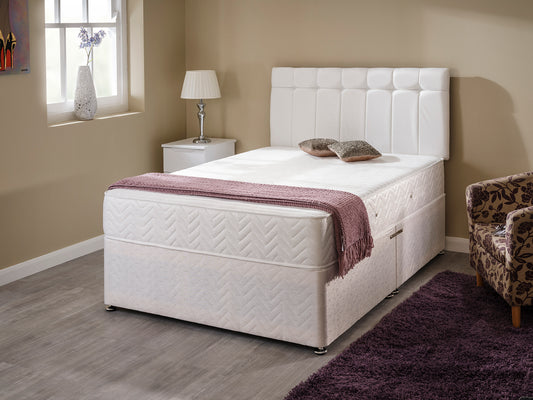
Galaxy Orthopaedic Spring Mattress - 12.5G Support System
Regular price From £199.00Regular priceUnit price per£250.00Sale price From £199.00Sale -
Open Coil Economy Mattress - 13.5 Gauge Spring Support
Regular price From £119.00Regular priceUnit price per£150.00Sale price From £119.00Sale -
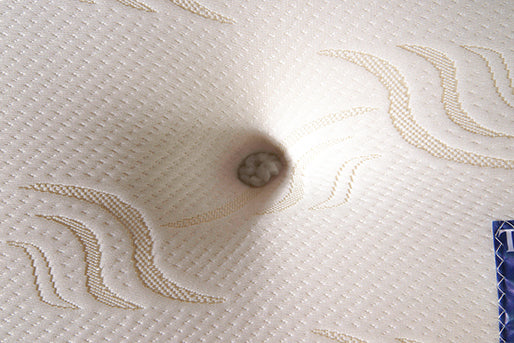
Memory Comfort Mattress - Multi-Zone Visco Foam with Cool Touch
Regular price From £449.00Regular priceUnit price per£565.00Sale price From £449.00Sale -
Memory Sprung Open Coil Mattress - Balanced Support & Comfort
Regular price From £239.00Regular priceUnit price per£300.00Sale price From £239.00Sale -
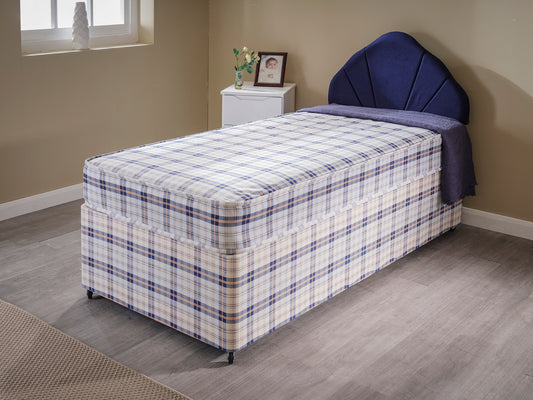
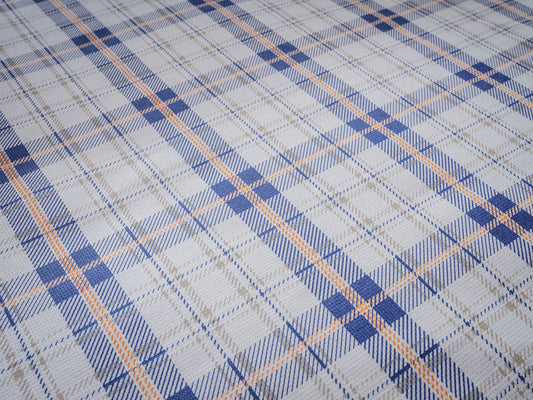
Crystal Open Coil Spring Mattress - Damask Fabric Comfort
Regular price From £219.00Regular priceUnit price per£275.00Sale price From £219.00Sale -
Candy Open Coil Spring Mattress - 7-8 Inch Damask Cover
Regular price From £139.00Regular priceUnit price per£175.00Sale price From £139.00Sale