Best Firm Mattress for Lower Back Support - Premium Collection
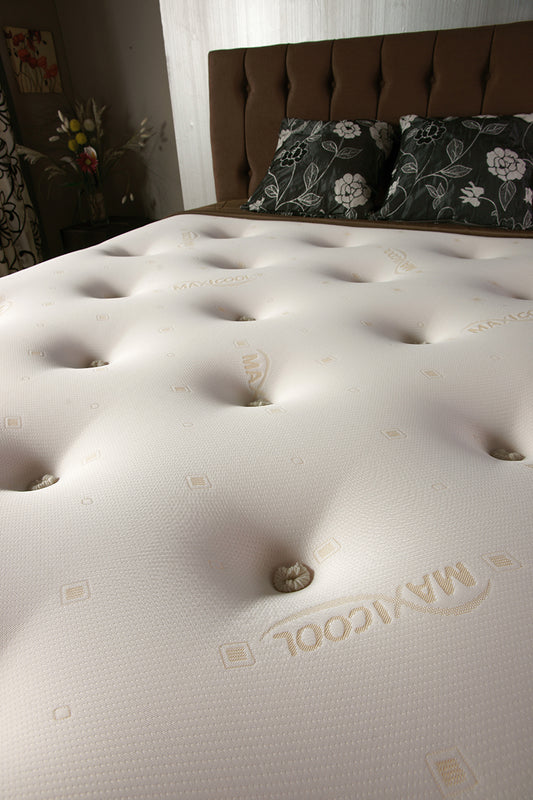
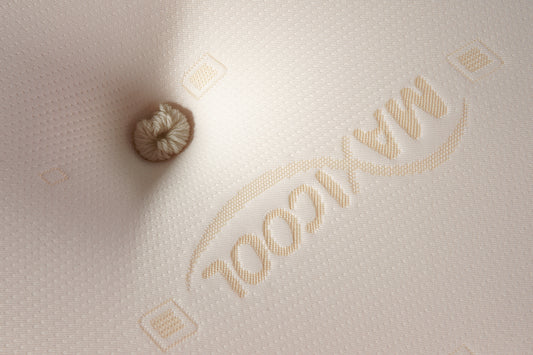
Finding the right mattress can be transformative when you're dealing with lower back pain. Our carefully curated collection of firm mattresses for lower back support features orthopaedic-grade designs engineered specifically to promote spinal alignment and alleviate discomfort. Each mattress in this collection has been selected for its superior support characteristics, whether through advanced 1000+ pocket spring systems, robust 12.5 gauge spring constructions, or therapeutic memory foam technologies. From the Elite Orthopaedic Mattress with its innovative cooling touch technology to the Tendersleep Flexopaedic offering extra firm support for those who need maximum spinal stability, these mattresses represent the pinnacle of therapeutic sleep solutions. Whether you're a back sleeper requiring consistent support, a side sleeper needing targeted pressure relief, or someone with chronic lower back issues seeking medical-grade orthopaedic construction, you'll find a solution tailored to your needs. All mattresses feature edge-to-edge support to maximize sleeping surface and prevent sagging, while premium materials ensure long-lasting performance. Investing in a quality firm mattress isn't just about comfort—it's about supporting your spinal health, reducing pain, and improving your overall quality of life through restorative, pain-free sleep.
Key Takeaways
- Firm mattresses maintain proper spinal alignment by preventing excessive sinking, crucial for lower back pain relief
- Orthopaedic mattresses with 1000+ pocket springs or 12.5 gauge support systems provide targeted lumbar support
- Medium-firm to extra firm options work best, depending on body weight and sleeping position preferences
- Quality materials like memory foam layers and edge-to-edge support enhance durability and therapeutic benefits
What should you look for in a firm mattress for lower back support?
When selecting a firm mattress for lower back support, prioritize three critical features: proper spinal alignment, adequate support distribution, and quality construction materials. The ideal mattress should maintain your spine's natural S-curve while lying down, preventing the hips and shoulders from sinking too deeply. Look for orthopaedic-grade construction with either high-density pocket spring systems (1000+ springs) or 12.5 gauge spring systems, which provide consistent support across the entire sleeping surface. Memory foam layers can enhance comfort without compromising firmness, while edge-to-edge support prevents sagging over time. The mattress should feel supportive rather than rock-hard—you want resistance that keeps your spine aligned while still accommodating your body's natural contours. Additional features like cooling technology and breathable fabrics help regulate temperature, which is important since overheating can disrupt sleep and worsen pain perception.
How do you choose the right firm mattress for your specific back pain needs?
- Assess your sleeping position: Back sleepers need medium-firm to firm support, side sleepers may need slightly less firmness to accommodate shoulders and hips, while stomach sleepers benefit from firmer options to prevent lower back arching
- Consider your body weight: Heavier individuals (over 230 lbs) typically require extra firm mattresses to prevent excessive sinking, while lighter individuals (under 130 lbs) may find medium-firm more comfortable and supportive
- Evaluate spring systems: Pocket spring mattresses with 1000+ individual springs offer superior motion isolation and targeted support, while 12.5 gauge orthopaedic systems provide traditional, robust support ideal for chronic back pain
- Test firmness levels progressively: If you're transitioning from a soft mattress, consider starting with medium-firm support and adjusting to firmer options gradually to allow your body to adapt
- Look for orthopaedic certification: Mattresses specifically designed as orthopaedic have been engineered to support musculoskeletal health and often include features recommended by healthcare professionals
Read Also
Frequently Asked Questions
What is the best mattress firmness for lower back pain?
Is a firm mattress good for backaches?
What mattress do most chiropractors recommend?
What brand of mattress is good for lower back pain?
How long does it take to adjust to a firm mattress for back pain?
Sources
- Best Mattress For Back Pain: We Tested 370+ Mattresses — naplab.com
- Best Mattress for Back Pain — www.sleepfoundation.org
- Best Mattresses for Back Pain (2025) - We Tested 500+ Beds — www.mattressclarity.com
- Best Mattresses of 2025 | Mattress Nerd — www.mattressnerd.com
- 10 Best Mattresses for Back Pain (2025) | Doctor Reviewed — www.sleepadvisor.org
-
Galaxy Orthopaedic Spring Mattress - 12.5G Support System
Regular price From £199.00Regular priceUnit price per£250.00Sale price From £199.00Sale -
Memory Foam Orthopaedic Mattress - Medium Firm Support
Regular price From £399.00Regular priceUnit price per£500.00Sale price From £399.00Sale -
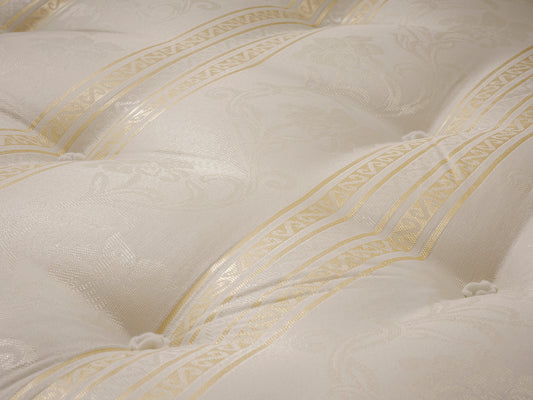
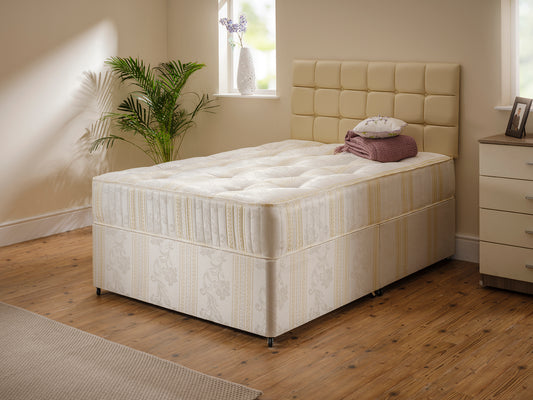
Tufted Orthopaedic Mattress - 12.5G Springs White Damask
Regular price From £219.00Regular priceUnit price per£275.00Sale price From £219.00Sale -
Emerald Firm Mattress 1000 Pocket Springs - Edge-to-Edge Support
Regular price From £449.00Regular priceUnit price per£565.00Sale price From £449.00Sale -
Tendersleep Flexopaedic Orthopaedic Mattress - Extra Firm Support
Regular price From £429.00Regular priceUnit price per£540.00Sale price From £429.00Sale -
Elite Orthopaedic Mattress - 12.5G Spring System Cool Touch
Regular price From £379.00Regular priceUnit price per£475.00Sale price From £379.00Sale