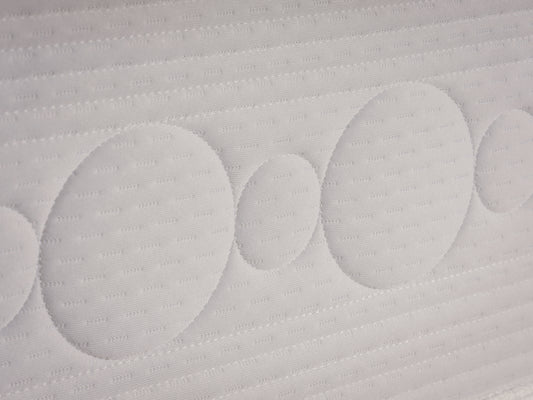
Best Pocket Spring Mattress for Back Support - Premium Collection
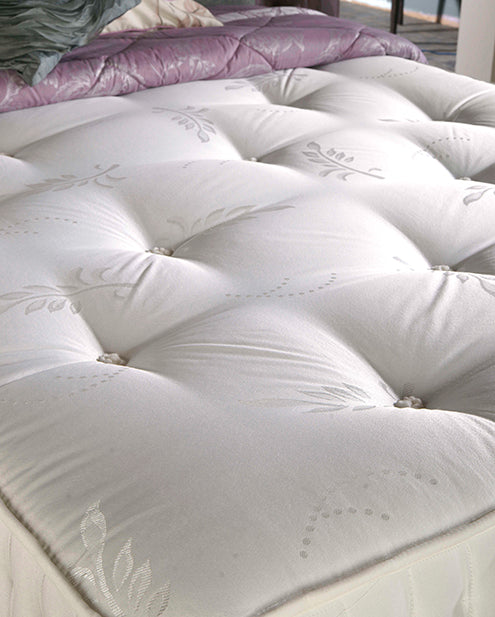
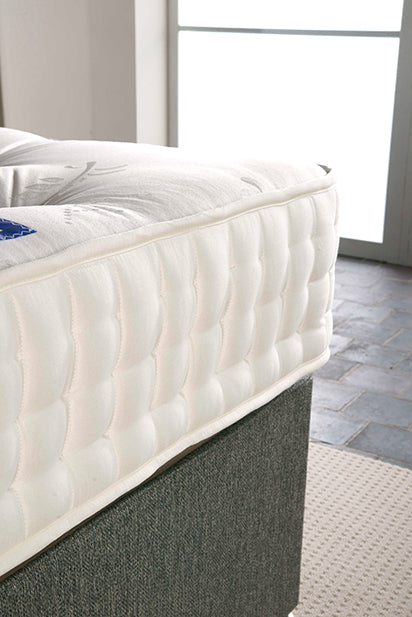
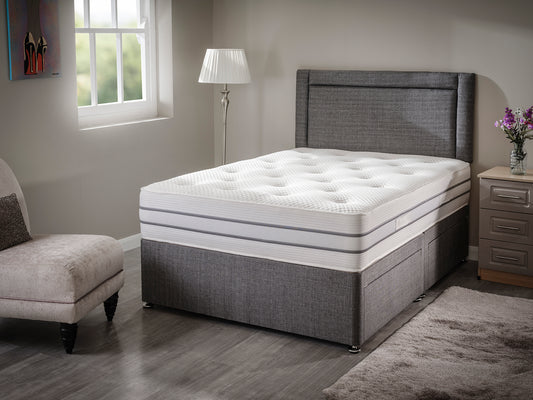
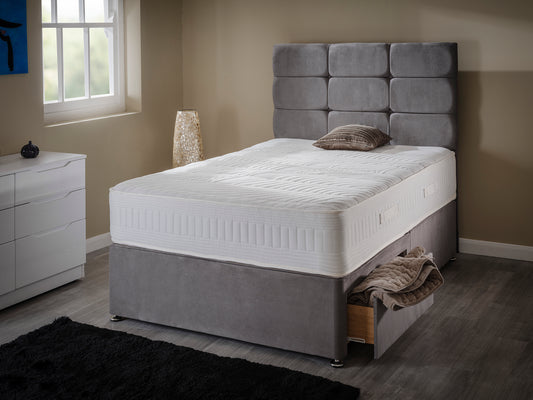
Finding the right mattress can transform your sleep quality and significantly reduce back pain, and pocket spring technology represents the gold standard for spinal support and pressure relief. Our carefully curated collection of the best pocket spring mattresses for back support features premium options ranging from 1000 to 2000 individually wrapped springs, each designed to provide targeted support that adapts to your body's unique contours. Whether you're dealing with chronic lower back pain, seeking preventative support for long-term spinal health, or simply want to wake up feeling refreshed and pain-free, these mattresses combine advanced pocket spring systems with specialized comfort layers including cooling gel foam, premium laytech foam, and orthopaedic support features. From the responsive precision of the Diamond Laytech 2000 Pocket Spring Mattress to the therapeutic extra firm support of the Tendersleep Flexopaedic Orthopaedic Mattress, each option has been selected for its proven ability to maintain proper spinal alignment throughout the night. Explore our collection to discover how the right combination of spring count, firmness level, and comfort technology can deliver the restorative, pain-free sleep your back deserves.
Key Takeaways
- Pocket spring mattresses provide targeted support by independently responding to your body's contours, making them ideal for back pain relief
- Higher spring counts (2000 vs 1000) offer more responsive support, but firmness level and foam layers are equally important for back health
- Medium-firm to extra firm pocket spring mattresses are generally best for back support, preventing spinal misalignment during sleep
- Look for edge-to-edge support and orthopaedic features if you suffer from chronic lower back pain or require therapeutic sleep surfaces
What should you look for in a pocket spring mattress for back support?
When selecting a pocket spring mattress for back support, prioritize three critical factors: spring count, firmness level, and comfort layer composition. The spring count determines how responsive the mattress is to your body's pressure points—higher counts like 2000 springs provide more precise contouring than 1000 springs, though both can offer excellent support when properly designed. Firmness is equally crucial; medium-firm to extra firm options prevent your spine from sinking into unhealthy positions while maintaining proper alignment from neck to tailbone. The comfort layers above the springs—whether memory foam, gel-infused foam, or latex—should cushion pressure points without compromising the supportive foundation beneath. Additionally, consider edge-to-edge support systems that prevent roll-off and maintain consistent support across the entire sleep surface, and look for orthopaedic or flexopaedic designations that indicate the mattress has been specifically engineered for back health.
How do you choose the right pocket spring mattress for your back pain needs?
- Assess your pain type: Lower back pain typically benefits from firmer support that maintains lumbar curve, while upper back issues may need slightly softer comfort layers with firm underlying support
- Consider your sleep position: Side sleepers with back pain need medium-firm with pressure relief at shoulders and hips; back and stomach sleepers require firmer surfaces to prevent spinal curvature
- Evaluate spring count based on body weight: Heavier individuals (over 200 lbs) benefit more from 2000 pocket springs for enhanced durability and support distribution, while lighter sleepers find 1000 springs sufficient
- Test firmness preferences: Extra firm orthopaedic options suit those with chronic pain or medical recommendations, while medium-firm works well for general back support and couples with different needs
- Check comfort layer technology: Cooling gel foam prevents overheating that can worsen inflammation, while premium foam layers add pressure point relief without sacrificing spinal alignment
Read Also
Frequently Asked Questions
Is a pocket spring mattress good for lower back pain?
What is the best spring mattress for back pain?
Is 2000 pocket sprung better than 1000?
What are the disadvantages of a pocket spring mattress?
How firm should a mattress be for back support?
Sources
- Best Mattress For Back Pain: We Tested 370+ Mattresses — naplab.com
- Best Mattress for Back Pain — www.sleepfoundation.org
- The Best Innerspring Mattresses — www.goodhousekeeping.com
- The Best Mattresses for 2025 — www.nytimes.com
- — www.reddit.com
-
Tendersleep Flexopaedic Orthopaedic Mattress - Extra Firm Support
Regular price From £429.00Regular priceUnit price per£540.00Sale price From £429.00Sale -
Luxury Gold Pocket Spring Mattress - 1000 Springs Medium Firm
Regular price From £329.00Regular priceUnit price per£415.00Sale price From £329.00Sale -
Emerald Firm Mattress 1000 Pocket Springs - Edge-to-Edge Support
Regular price From £449.00Regular priceUnit price per£565.00Sale price From £449.00Sale -
Diamond Laytech Cooling Gel Foam Mattress - 1000 Pocket Springs
Regular price From £639.00Regular priceUnit price per£800.00Sale price From £639.00Sale -
Diamond Laytech 2000 Pocket Spring Mattress - Premium Foam
Regular price From £569.00Regular priceUnit price per£715.00Sale price From £569.00Sale -
Diamond Laytech 1000 Pocket Spring Mattress - Premium Foam Comfort
Regular price From £509.00Regular priceUnit price per£640.00Sale price From £509.00Sale