Best Orthopaedic Mattress for Spinal Alignment - Premium Sleep Solutions
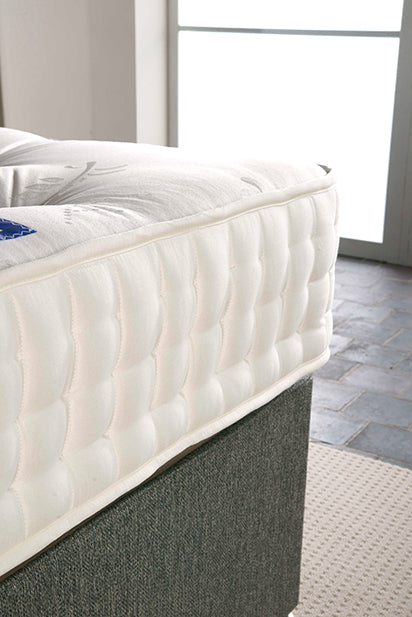
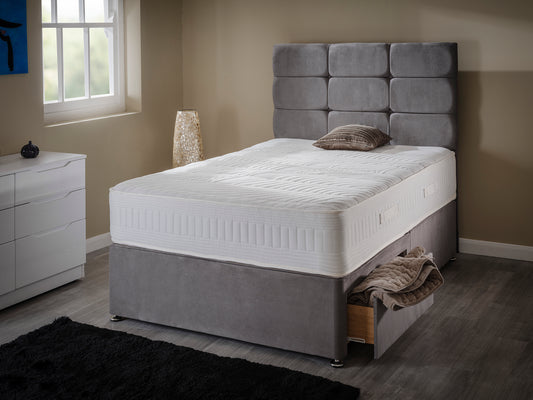
Achieving optimal spinal alignment during sleep is essential for maintaining back health, reducing pain, and ensuring restorative rest. Our carefully curated collection of orthopaedic mattresses for spinal alignment features premium designs engineered specifically to support your spine's natural curvature throughout the night. Each mattress in this collection combines advanced pocket spring technology with supportive foam layers to deliver the perfect balance of firm support and pressure relief that chiropractors and spine specialists recommend. Whether you're managing chronic back pain, recovering from spinal surgery, or simply prioritizing preventive spine health, these orthopaedic mattresses provide the foundation for better sleep and improved wellbeing. From extra-firm support systems to cooling gel foam innovations, our selection includes options for every sleeping position, body type, and comfort preference—all designed with one goal in mind: keeping your spine properly aligned from the moment you lie down until you wake refreshed and pain-free.
Key Takeaways
- Proper spinal alignment requires a mattress that maintains your spine's natural S-curve while distributing weight evenly across pressure points
- Orthopaedic mattresses with 1000+ pocket springs provide targeted support and respond independently to body contours for optimal alignment
- Medium-firm to firm support levels are recommended by chiropractors for maintaining neutral spine position throughout the night
- Advanced features like edge-to-edge support, cooling gel foam, and memory foam layers enhance comfort without compromising spinal health
What should you look for in an orthopaedic mattress for spinal alignment?
When selecting an orthopaedic mattress for spinal alignment, prioritize three essential features: adequate support, proper firmness level, and quality construction. The mattress should maintain your spine's natural curvature by supporting the heavier parts of your body (hips and shoulders) while cushioning lighter areas. Look for mattresses with high-density pocket spring systems (1000+ springs) that respond independently to your body's contours, preventing sagging and maintaining consistent support throughout the night. The firmness should be medium-firm to extra firm, depending on your body weight and sleeping position—side sleepers typically need slightly softer surfaces for shoulder relief, while back and stomach sleepers benefit from firmer support. Quality materials like cooling gel foam, memory foam, and reinforced edge support ensure durability and comfort. Additionally, consider breathability features to regulate temperature, as overheating can disrupt sleep and cause you to shift positions, compromising spinal alignment.
How do you choose the right orthopaedic mattress for your specific spinal needs?
- Assess your sleeping position: Back sleepers need firm, even support; side sleepers require pressure relief at shoulders and hips; stomach sleepers benefit from extra-firm surfaces to prevent lower back arching
- Consider your body weight: Heavier individuals (over 230 lbs) need firmer mattresses with robust spring systems, while lighter individuals (under 130 lbs) may find medium-firm options more comfortable
- Evaluate existing back conditions: Chronic lower back pain responds well to pocket spring systems with zoned support; upper back issues benefit from memory foam contouring; sciatica sufferers need pressure point relief
- Test the spring count and type: 1000+ pocket springs provide superior spinal support compared to open coil systems, with 12.5-gauge springs offering optimal balance between support and comfort
- Check for edge-to-edge support: Full perimeter support prevents roll-off and maintains consistent spinal alignment even when sleeping near the mattress edge
- Factor in temperature regulation: Cooling gel foam and breathable materials prevent overheating, which can cause tossing and turning that disrupts spinal positioning
Read Also
Frequently Asked Questions
What is the best mattress for spine alignment?
What mattress do spine surgeons recommend?
What mattress do most chiropractors recommend?
What type of mattress is best for spine?
How firm should an orthopaedic mattress be for spinal alignment?
Sources
- Best Orthopedic Mattress (2025) | Doctor Approved — sleepopolis.com
- Best Orthopedic Mattress — www.sleepfoundation.org
- Best Orthopedic Mattress of 2025: Enhanced Cushioning and Support — sleepdoctor.com
- The Best Mattress for Back Pain — www.nytimes.com
- Best Mattresses for Neck Pain: Tested and Reviewed — www.ncoa.org
-
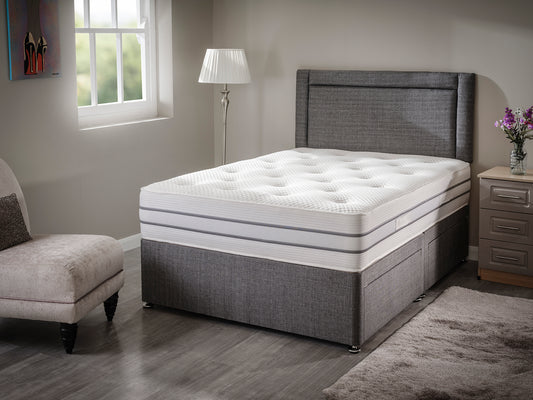
Emerald Firm Mattress 1000 Pocket Springs - Edge-to-Edge Support
Regular price From £449.00Regular priceUnit price per£565.00Sale price From £449.00Sale -
Memory Foam Orthopaedic Mattress - Medium Firm Support
Regular price From £399.00Regular priceUnit price per£500.00Sale price From £399.00Sale -
Tendersleep Flexopaedic Orthopaedic Mattress - Extra Firm Support
Regular price From £429.00Regular priceUnit price per£540.00Sale price From £429.00Sale -
Luxury Gold Pocket Spring Mattress - 1000 Springs Medium Firm
Regular price From £329.00Regular priceUnit price per£415.00Sale price From £329.00Sale -
Elite Orthopaedic Mattress - 12.5G Spring System Cool Touch
Regular price From £379.00Regular priceUnit price per£475.00Sale price From £379.00Sale -
Diamond Laytech Cooling Gel Foam Mattress - 1000 Pocket Springs
Regular price From £639.00Regular priceUnit price per£800.00Sale price From £639.00Sale