Best Orthopaedic Mattress for Posture Correction - Premium Sleep Solutions
Discover our expertly curated collection of orthopaedic mattresses specifically designed to correct posture and promote optimal spinal alignment. Poor posture during sleep doesn't just affect your comfort—it can lead to chronic back pain, muscle tension, headaches, and long-term spinal health issues. Our premium selection features advanced support technologies including high-count pocket spring systems, therapeutic memory foam constructions, and innovative cooling gel layers that work together to maintain your spine's natural alignment throughout the night. Each mattress in this collection has been carefully selected for its proven ability to provide the targeted support necessary for posture correction, whether you're addressing existing spinal concerns or proactively protecting your long-term musculoskeletal health. From the sophisticated 1000 pocket spring systems that respond independently to every body contour, to the extra-firm support options recommended by chiropractors for severe posture issues, our range accommodates diverse needs and preferences. We understand that selecting the right orthopaedic mattress is an investment in your health, which is why our collection includes detailed specifications on firmness levels, support technologies, and specialized features like cooling systems and zoned support. Whether you're a side sleeper needing pressure relief at shoulders and hips, a back sleeper requiring robust lumbar support, or someone dealing with specific conditions like scoliosis or hyperlordosis, you'll find a scientifically designed solution that transforms your sleep quality and posture. Experience the difference that proper spinal support can make—reduced morning pain, improved daytime posture, enhanced energy levels, and the confidence that comes from taking control of your spinal health.
Key Takeaways
- Orthopaedic mattresses with 1000+ pocket springs provide targeted spinal support and proper alignment throughout the night
- Medium-firm to extra-firm support levels are most effective for posture correction and preventing back pain
- Memory foam and cooling gel technologies enhance pressure relief while maintaining the structural support needed for healthy posture
- Proper mattress selection can significantly improve spine curvature issues and reduce morning stiffness within 2-4 weeks
What should you look for in an orthopaedic mattress for posture correction?
When selecting an orthopaedic mattress for posture correction, prioritize three essential features: adequate spinal support, appropriate firmness level, and pressure relief capabilities. The mattress should maintain your spine's natural S-curve alignment while you sleep, preventing any unnatural bending or twisting. Look for mattresses with high-density pocket spring systems (1000+ springs) or advanced memory foam constructions that respond independently to different body zones. The ideal firmness typically ranges from medium-firm to extra-firm, depending on your body weight and sleeping position. Side sleepers may benefit from medium-firm options that cushion shoulders and hips, while back and stomach sleepers often require firmer support. Additionally, consider temperature regulation features like cooling gel foam or breathable materials, as maintaining optimal sleep temperature ensures you don't shift positions excessively during the night, which can compromise posture. Quality orthopaedic mattresses should also include edge support to prevent roll-off and maintain consistent support across the entire sleeping surface.
How do you choose the right orthopaedic mattress for your specific posture needs?
- Assess your current posture issues - identify whether you have forward head posture, rounded shoulders, lower back curve problems, or scoliosis, as different conditions benefit from specific support levels
- Consider your primary sleeping position - back sleepers need firm lumbar support, side sleepers require pressure relief at shoulders and hips while maintaining spinal alignment, and stomach sleepers benefit from extra-firm surfaces to prevent lower back sagging
- Evaluate your body weight distribution - heavier individuals (over 230 lbs) typically need firmer mattresses with robust support systems like 12.5-gauge springs, while lighter individuals may find medium-firm options more comfortable without sacrificing support
- Test the mattress's responsiveness - a quality orthopaedic mattress should provide immediate support when you lie down and quickly return to its original shape when pressure is removed, ensuring consistent posture support throughout the night
- Check for zoned support technology - premium orthopaedic mattresses often feature different firmness zones that provide extra support where your body needs it most, particularly in the lumbar region and shoulder areas
- Factor in any existing pain conditions - if you experience chronic back, neck, or hip pain, consult with your healthcare provider about the optimal firmness level, as therapeutic needs may override general comfort preferences
Read Also
Frequently Asked Questions
What mattress do most chiropractors recommend?
Which mattress is best for spine alignment?
Can a mattress improve posture?
What is the best mattress for curvature of the spine?
How long does it take to see posture improvements from a new orthopaedic mattress?
Sources
- Best Orthopedic Mattress of 2025: Enhanced Cushioning and Support — sleepdoctor.com
- Best Orthopedic Mattress (2025) | Doctor Approved — sleepopolis.com
- Best Orthopedic Mattress - Sleep Foundation — www.sleepfoundation.org
- Do You Need an Orthopedic Mattress? — www.ncoa.org
- 10 Best Orthopedic Mattresses of 2025, Expert Tested - Sleep Advisor — www.sleepadvisor.org
-
Galaxy Orthopaedic Spring Mattress - 12.5G Support System
Regular price From £199.00Regular priceUnit price per£250.00Sale price From £199.00Sale -
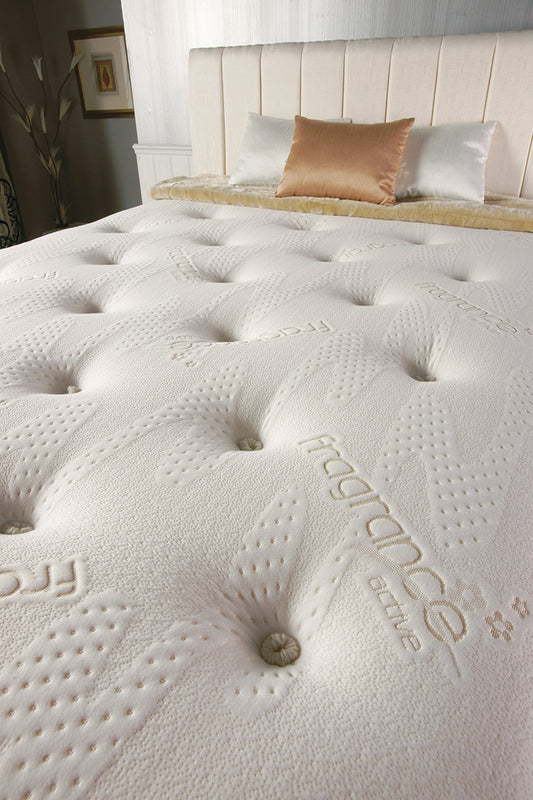
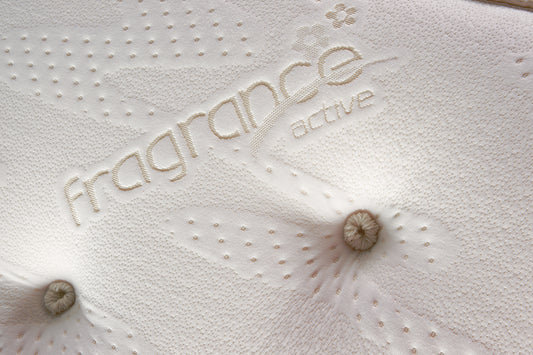
Ylang Ylang Fragrance Active Mattress - Memory Foam Orthopaedic
Regular price From £359.00Regular priceUnit price per£450.00Sale price From £359.00Sale -
Tendersleep Flexopaedic Orthopaedic Mattress - Extra Firm Support
Regular price From £429.00Regular priceUnit price per£540.00Sale price From £429.00Sale -
Memory Foam Orthopaedic Mattress - Medium Firm Support
Regular price From £399.00Regular priceUnit price per£500.00Sale price From £399.00Sale -
Elite Orthopaedic Mattress - 12.5G Spring System Cool Touch
Regular price From £379.00Regular priceUnit price per£475.00Sale price From £379.00Sale -
Diamond Laytech Cooling Gel Foam Mattress - 1000 Pocket Springs
Regular price From £639.00Regular priceUnit price per£800.00Sale price From £639.00Sale