Best Orthopaedic Mattress for Back Pain - Premium Sleep Solutions
Finding the right orthopaedic mattress can transform your sleep quality and significantly reduce chronic back pain. Our carefully curated collection features the finest orthopaedic mattresses specifically engineered to provide superior spinal support, pressure point relief, and lasting comfort for back pain sufferers. Whether you're dealing with lower back pain, sciatica, herniated discs, or general spinal discomfort, these expertly designed mattresses combine advanced support systems with therapeutic comfort layers to help you wake up refreshed and pain-free. Each mattress in our collection has been selected for its proven ability to maintain proper spinal alignment throughout the night, using premium materials like 12.5 gauge pocket spring systems, high-density memory foam, and breathable comfort technologies. From the extra-firm support of the Tendersleep Flexopaedic to the contouring comfort of our Memory Foam Orthopaedic options, you'll discover mattresses that address your specific pain points while delivering the restorative sleep your body needs to heal and recover. Explore our collection to find the perfect orthopaedic mattress that combines medical-grade support with luxurious comfort, backed by expert recommendations and designed to provide years of pain-relieving sleep.
Key Takeaways
- Orthopaedic mattresses with 12.5 gauge spring systems provide optimal spinal alignment and targeted pressure relief for chronic back pain sufferers
- Medium-firm to extra-firm support levels are clinically proven to reduce back pain by maintaining proper posture throughout the night
- Memory foam orthopaedic mattresses contour to your body's unique shape, distributing weight evenly and reducing pressure points along the spine
- Quality orthopaedic mattresses combine supportive core systems with comfort layers to balance pain relief with restful, comfortable sleep
What should you look for in an orthopaedic mattress for back pain?
When selecting an orthopaedic mattress for back pain, prioritize three essential features: proper spinal support, pressure point relief, and appropriate firmness level. The mattress should maintain your spine's natural S-curve alignment while you sleep, preventing the lower back from sagging or the shoulders from being pushed upward unnaturally. Look for mattresses with high-quality spring systems (such as 12.5 gauge springs) or dense memory foam cores that provide consistent support throughout the night. The surface should offer enough give to cushion pressure points at the hips and shoulders while keeping the spine level. Consider your sleeping position—side sleepers typically need slightly softer surfaces than back or stomach sleepers—and any specific pain areas you experience. Additional features like cooling technology, hypoallergenic materials, and edge support can enhance comfort and longevity, making your investment in pain relief more effective long-term.
How do you choose the right orthopaedic mattress for your specific back pain needs?
- Assess your primary sleeping position: side sleepers benefit from medium-firm mattresses that cushion shoulders and hips, while back and stomach sleepers need firmer support to prevent spinal misalignment
- Identify your pain type: lower back pain often responds best to firmer mattresses with strong lumbar support, while upper back and shoulder pain may require more contouring from memory foam layers
- Consider your body weight: heavier individuals (over 230 lbs) typically need firmer, more robust spring systems, while lighter sleepers may find medium-firm options provide adequate support without excessive pressure
- Evaluate mattress construction: pocket spring systems offer targeted support and motion isolation, memory foam provides contouring relief, and hybrid combinations deliver both benefits for comprehensive pain management
- Check for quality indicators: look for mattresses with higher spring counts (12.5 gauge or better), certified foam densities, reinforced edge support, and breathable cover materials that regulate temperature
- Test firmness preferences: if possible, consider your comfort on hotel or friends' mattresses, and remember that 'extra firm' doesn't always mean better—optimal support comes from the right balance for your body
Read Also
Frequently Asked Questions
What is the best orthopedic mattress for back pain?
What kind of mattress do doctors recommend for back pain?
What mattress do chiropractors recommend for back pain?
Does an orthopedic mattress have springs for back pain?
How firm should an orthopaedic mattress be for back pain relief?
Sources
- Best Orthopedic Mattress of 2025: Enhanced Cushioning and Support — sleepdoctor.com
- 10 Best Orthopedic Mattresses of 2025, Expert Tested - Sleep Advisor — www.sleepadvisor.org
- Best Mattress for Back Pain — www.sleepfoundation.org
- Best Mattresses for Back Pain (2025) - We Tested 500+ Beds — www.mattressclarity.com
- Best Orthopedic Mattress (2025) | Doctor Approved — sleepopolis.com
-
Galaxy Orthopaedic Spring Mattress - 12.5G Support System
Regular price From £199.00Regular priceUnit price per£250.00Sale price From £199.00Sale -
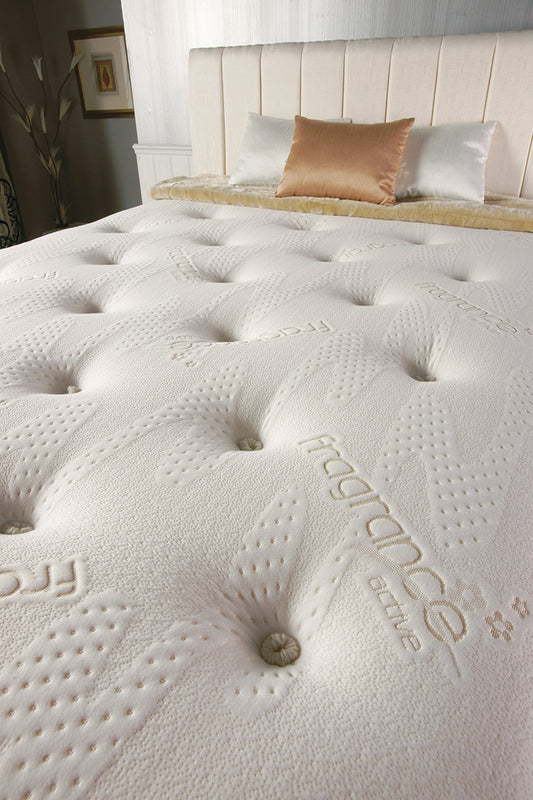
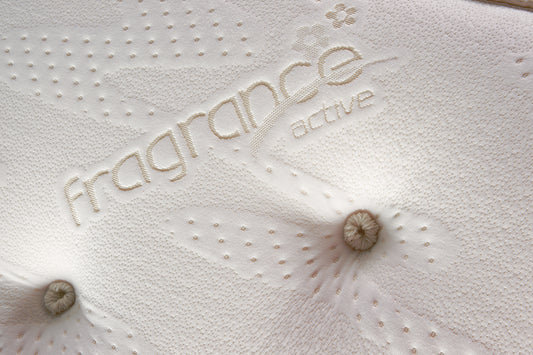
Ylang Ylang Fragrance Active Mattress - Memory Foam Orthopaedic
Regular price From £359.00Regular priceUnit price per£450.00Sale price From £359.00Sale -
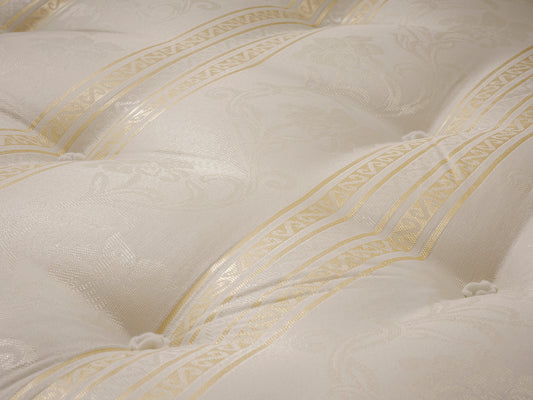
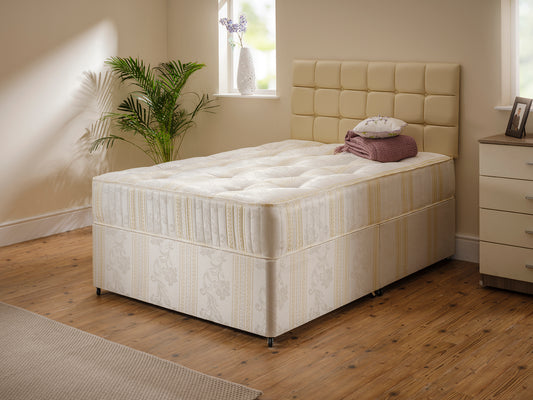
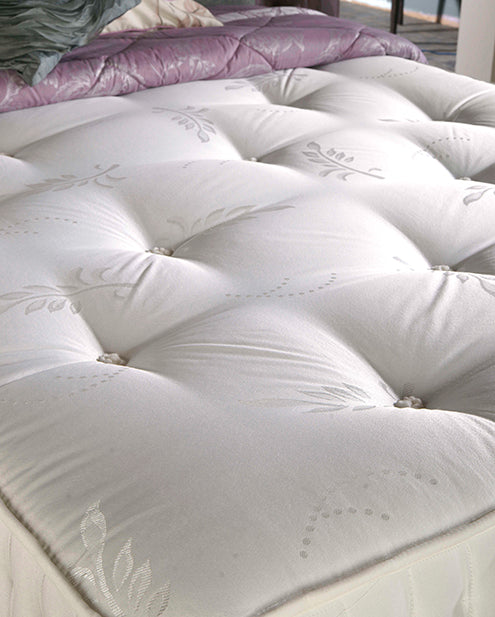
Tufted Orthopaedic Mattress - 12.5G Springs White Damask
Regular price From £219.00Regular priceUnit price per£275.00Sale price From £219.00Sale -
Tendersleep Flexopaedic Orthopaedic Mattress - Extra Firm Support
Regular price From £429.00Regular priceUnit price per£540.00Sale price From £429.00Sale -
Memory Foam Orthopaedic Mattress - Medium Firm Support
Regular price From £399.00Regular priceUnit price per£500.00Sale price From £399.00Sale -
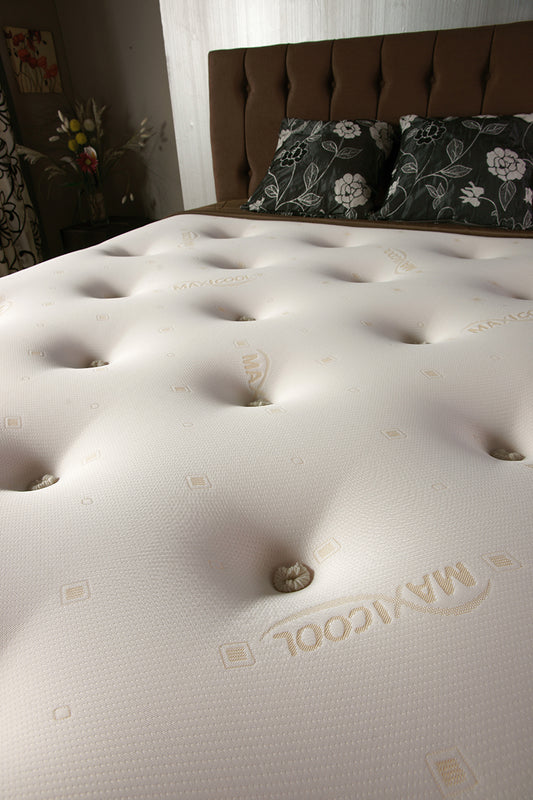
Elite Orthopaedic Mattress - 12.5G Spring System Cool Touch
Regular price From £379.00Regular priceUnit price per£475.00Sale price From £379.00Sale