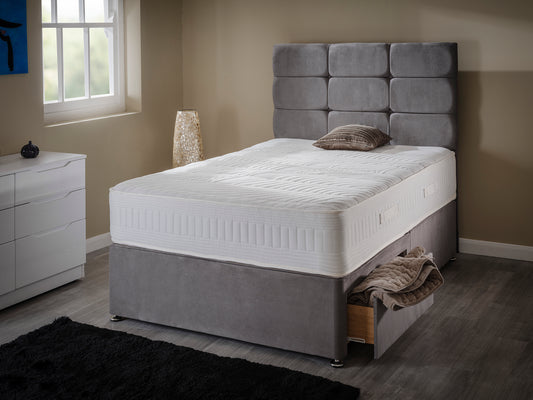
Best Mattress for Stomach Sleepers - Premium Sleep Solutions
Finding the perfect mattress as a stomach sleeper is crucial for maintaining proper spinal alignment and preventing chronic back and neck pain. Stomach sleeping is one of the most challenging sleep positions, requiring a firmer, more supportive mattress than other sleep styles. Our carefully curated collection features the best mattresses specifically suited for stomach sleepers, including orthopaedic designs, high-count pocket spring systems, and firm hybrid constructions. Each mattress in this collection provides the essential support needed to keep your hips from sinking too deeply while offering enough comfort for pressure point relief. Whether you're seeking the advanced cooling properties of gel-infused foam, the natural breathability of organic cotton, or the targeted support of extra-firm orthopaedic construction, you'll find expertly engineered solutions designed to keep your spine properly aligned throughout the night. From the Diamond Laytech with its cooling gel technology to the Tendersleep Flexopaedic offering extra-firm support, these mattresses combine innovative materials with proven support systems to deliver the restorative sleep stomach sleepers need.
Key Takeaways
- Stomach sleepers need firmer mattresses (7-9/10 firmness) to prevent lower back pain and maintain proper spinal alignment
- Orthopaedic and pocket spring systems provide the essential support to keep hips from sinking too deeply
- Cooling gel foam and breathable materials help regulate temperature when sleeping face-down
- Edge-to-edge support and high spring counts (1000-2000 pockets) ensure consistent firmness across the entire sleep surface
What should you look for in a mattress for stomach sleeping?
When selecting a mattress for stomach sleeping, firmness is the most critical factor. Stomach sleepers require a firmer sleep surface (typically rated 7-9 out of 10) to prevent the pelvis and hips from sinking too deeply, which can create an unnatural arch in the lower back leading to chronic pain. Look for mattresses with robust support systems like high-gauge pocket springs (1000-2000 springs) or orthopaedic construction that maintains consistent support throughout the night. The mattress should keep your spine in neutral alignment, with your head, shoulders, and hips forming a relatively straight line. Additionally, consider breathability features such as cooling gel foam or natural materials like organic cotton, as stomach sleeping can restrict airflow around your face and increase body temperature. Edge-to-edge support is also valuable, ensuring you receive uniform firmness whether you sleep in the center or near the mattress perimeter.
How do you choose the right firmness level for stomach sleeping?
- Assess your body weight: Lighter individuals (under 130 lbs) may find medium-firm comfortable, while average to heavier sleepers need genuinely firm to extra-firm support
- Check for proper spinal alignment: When lying on your stomach, your hips shouldn't sink lower than your shoulders; there should be minimal curvature in your lower back
- Consider hybrid construction: Combining pocket springs with firm foam layers provides both support and pressure relief at contact points
- Test the 'hand press' method: Press your hand firmly into the mattress surface; it should resist significantly and spring back quickly
- Look for orthopaedic or extra-firm designations: These are specifically engineered to provide the level of support stomach sleepers require
- Evaluate materials: High-gauge spring systems (12.5 gauge or higher) and dense foam layers indicate better support for stomach sleeping positions
Read Also
Frequently Asked Questions
What type of mattress should a stomach sleeper use?
What kind of bed should I get if I sleep on my stomach?
How to stop being a stomach sleeper?
What are the signs of a bad mattress for stomach sleepers?
Can stomach sleepers use memory foam mattresses?
Sources
- Best Mattress for Stomach Sleepers: We Test 360+ Mattresses — naplab.com
- Best Mattress for Stomach Sleepers of 2025 — www.sleepfoundation.org
- Best Mattress for Stomach Sleepers | Expert Tested & Doctor Reviewed (2025) — sleepopolis.com
- Best Mattress for Stomach Sleepers (2025) | Expert Tested — www.sleepadvisor.org
- Best Mattresses of 2025 | Mattress Nerd — www.mattressnerd.com
-
Knightsbridge Firm Ortho Mattress - 12.5G Springs Damask
Regular price From £229.00Regular priceUnit price per£290.00Sale price From £229.00Sale -
Emerald Firm Mattress 1000 Pocket Springs - Edge-to-Edge Support
Regular price From £449.00Regular priceUnit price per£565.00Sale price From £449.00Sale -
Tendersleep Flexopaedic Orthopaedic Mattress - Extra Firm Support
Regular price From £429.00Regular priceUnit price per£540.00Sale price From £429.00Sale -
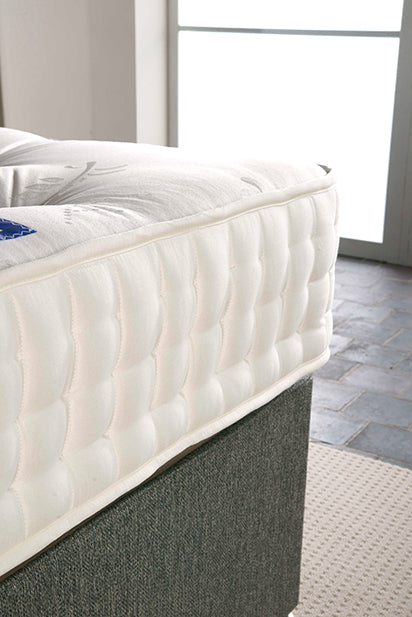
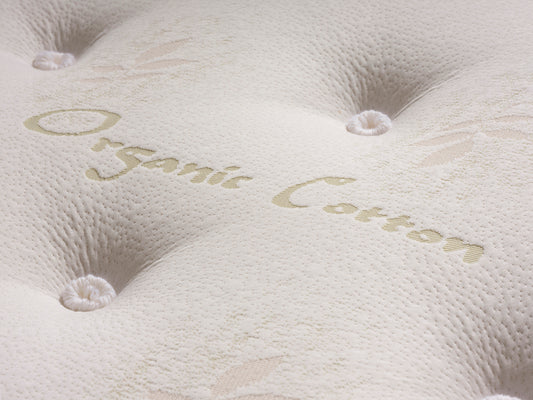
Organic Cotton Mattress - 2000 Pocket Springs Memory Foam
Regular price From £609.00Regular priceUnit price per£765.00Sale price From £609.00Sale -
Elite Orthopaedic Mattress - 12.5G Spring System Cool Touch
Regular price From £379.00Regular priceUnit price per£475.00Sale price From £379.00Sale -
Diamond Laytech Cooling Gel Foam Mattress - 1000 Pocket Springs
Regular price From £639.00Regular priceUnit price per£800.00Sale price From £639.00Sale