Best Mattress for Side Sleepers with Back Pain - Premium Sleep Solutions
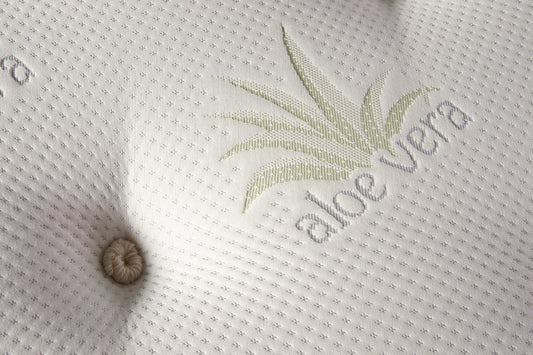
Finding the right mattress when you're a side sleeper dealing with back pain can transform your sleep quality and daily comfort. Side sleeping is the most common sleep position, but it requires specific mattress characteristics to maintain proper spinal alignment and prevent pain. Our carefully curated collection features mattresses specifically selected for their ability to address the unique needs of side sleepers with back pain—combining pressure-relieving comfort layers with supportive core systems. Each mattress in this collection offers medium to medium-firm support, essential for cushioning shoulders and hips while preventing lower back sagging. From advanced pocket spring systems with 1000-2000 individual coils to multi-zone memory foam designs, these mattresses provide targeted support where you need it most. We've included options with cooling technologies like gel foam infusion and aloe vera treatments for those who sleep hot, as temperature regulation plays a crucial role in sleep quality and pain management. Whether you prefer the responsive feel of pocket springs, the contouring embrace of memory foam, or the balanced support of hybrid designs, you'll find a mattress engineered to alleviate back pain while accommodating your side sleeping position. All selections feature orthopaedic-grade support systems designed to maintain neutral spinal alignment throughout the night, helping you wake refreshed and pain-free.
Key Takeaways
- Medium to medium-firm mattresses (5-7 on firmness scale) provide optimal spinal alignment for side sleepers with back pain
- Pressure-relieving materials like memory foam and gel-infused layers cushion shoulders and hips while supporting the lower back
- Pocket spring systems with 1000+ coils offer targeted support and reduce motion transfer for undisturbed sleep
- Cooling technologies such as gel foam, aloe vera infusion, and breathable fabrics prevent overheating during sleep
What should you look for in a mattress for side sleepers with back pain?
The ideal mattress for side sleepers with back pain must balance pressure relief with proper spinal support. Look for a medium to medium-firm comfort level that contours to your body's natural curves without allowing your spine to fall out of alignment. Key features include pressure-relieving top layers (memory foam, gel foam, or latex) that cushion the shoulders and hips—the primary pressure points for side sleepers. The mattress should also provide adequate lumbar support to prevent the lower back from sagging. Pocket spring systems with 1000+ individual coils offer excellent support by responding independently to different body zones. Additionally, consider cooling technologies if you tend to sleep hot, as temperature regulation significantly impacts sleep quality and can affect pain perception. Multi-zone support systems are particularly beneficial as they provide firmer support for heavier areas like the hips while offering softer cushioning for shoulders.
How do you choose the right mattress firmness for side sleeping with back pain?
- Medium firmness (5-6/10): Best for average-weight side sleepers, providing balanced contouring and support without excessive sinking
- Medium-firm (6-7/10): Ideal for heavier individuals or those needing more lumbar support while still cushioning pressure points
- Orthopaedic support systems: Look for mattresses with reinforced center zones or 12.5-gauge springs that prevent lower back sagging
- Pressure relief layers: Ensure at least 2-3 inches of comfort foam or memory foam on top for adequate shoulder and hip cushioning
- Trial period consideration: Choose mattresses with sleep trials, as personal comfort preferences vary and your body needs adjustment time
Read Also
Frequently Asked Questions
What firmness is best for side sleepers with back pain?
What mattress type is best for side and back sleepers?
What is the best pressure relieving mattress for side sleepers?
Is a firmer or softer mattress better for back pain?
How long does it take to adjust to a new mattress for back pain?
Sources
- Best Mattress For Side Sleepers: We Test 360+ Mattresses — naplab.com
- Best Mattresses for Back Pain (2025) - We Tested 500+ Beds — www.mattressclarity.com
- Best Mattress for Back Pain — www.sleepfoundation.org
- Best Mattresses for Side Sleepers (2025) | Mattress Nerd — www.mattressnerd.com
- — www.reddit.com
-
Memory Comfort Mattress - Multi-Zone Visco Foam with Cool Touch
Regular price From £449.00Regular priceUnit price per£565.00Sale price From £449.00Sale -
Diamond Laytech 2000 Pocket Spring Mattress - Premium Foam
Regular price From £569.00Regular priceUnit price per£715.00Sale price From £569.00Sale -
Diamond Laytech Cooling Gel Foam Mattress - 1000 Pocket Springs
Regular price From £639.00Regular priceUnit price per£800.00Sale price From £639.00Sale -
Memory Foam Orthopaedic Mattress - Medium Firm Support
Regular price From £399.00Regular priceUnit price per£500.00Sale price From £399.00Sale -
Elite Orthopaedic Mattress - 12.5G Spring System Cool Touch
Regular price From £379.00Regular priceUnit price per£475.00Sale price From £379.00Sale -
Aloe Vera Infused Pocket Spring Mattress - Natural Cooling
Regular price From £409.00Regular priceUnit price per£515.00Sale price From £409.00Sale