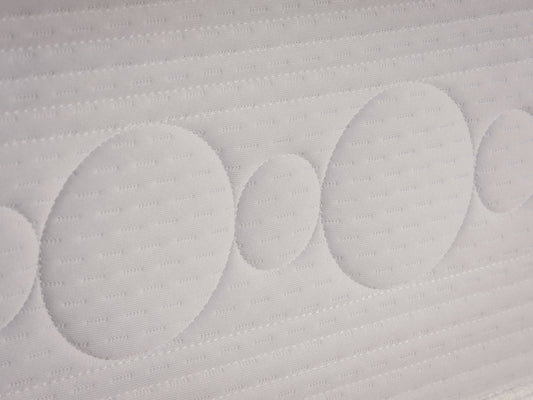
Best Mattress for Sciatica - Premium Support Collection
Finding the right mattress when you suffer from sciatica can be transformative for your quality of life and sleep. Sciatica, characterized by radiating pain along the sciatic nerve from the lower back through the hips and down the legs, affects millions of people and can make restful sleep nearly impossible without proper support. Our carefully curated collection features premium mattresses specifically designed to alleviate sciatica symptoms through advanced orthopaedic support, targeted pressure relief, and optimal spinal alignment. Each mattress in this collection has been selected for its ability to reduce nerve compression, support the lumbar region, and maintain proper posture throughout the night. Whether you prefer the responsive support of pocket springs, the contouring comfort of memory foam, or the cooling properties of gel technology, you'll find options that combine therapeutic benefits with exceptional comfort. From extra-firm orthopaedic designs to multi-zone support systems, these mattresses represent the best solutions for managing sciatica pain while enjoying restorative, uninterrupted sleep.
Key Takeaways
- Medium-firm to firm mattresses (6-8 on firmness scale) provide optimal spinal alignment and pressure relief for sciatica sufferers
- Pocket spring systems with 1000+ springs offer superior targeted support to reduce pressure on the sciatic nerve
- Memory foam and gel layers contour to your body while maintaining proper lumbar support, alleviating nerve compression
- Orthopaedic mattresses with reinforced edge-to-edge support prevent sagging and maintain consistent spinal positioning throughout the night
What should you look for in a mattress for sciatica pain relief?
When selecting a mattress for sciatica, prioritize three essential features: proper spinal alignment, pressure point relief, and consistent support. The ideal mattress should maintain your spine's natural S-curve while lying down, preventing the lower back from sinking too deeply or remaining uncomfortably elevated. Look for mattresses with pocket spring systems containing at least 1000 individual springs, as these provide targeted support that responds to your body's contours. Memory foam or gel layers add crucial pressure relief by distributing your weight evenly and reducing stress on the sciatic nerve pathway. Orthopaedic designs with reinforced lumbar zones are particularly beneficial, as they provide extra support precisely where sciatica sufferers need it most. Additionally, consider mattresses with cooling technology, as temperature regulation can help reduce inflammation and improve sleep quality when dealing with nerve pain.
How do you choose the right mattress firmness for sciatica?
- Medium-firm mattresses (6-7/10 firmness) work best for most sciatica sufferers, balancing support with pressure relief while maintaining spinal alignment
- Side sleepers with sciatica may prefer the medium end of the spectrum to cushion hips and shoulders while supporting the lumbar region
- Back and stomach sleepers typically benefit from firmer options (7-8/10) that prevent excessive sinking and keep the spine properly aligned
- Heavier individuals should opt for firmer mattresses with reinforced support systems to prevent premature sagging that can aggravate sciatica
- Consider mattresses with multi-zone support that provides different firmness levels for shoulders, lumbar, and hip areas to optimize pressure distribution
- Test the mattress in your typical sleeping position - your spine should remain neutral without gaps under the lower back or excessive curvature
Read Also
Frequently Asked Questions
What is the best mattress firmness for sciatica?
Can a mattress really help with sciatica pain?
Should I choose memory foam or pocket springs for sciatica?
How long does it take to feel relief from a new mattress for sciatica?
What sleeping position is best for sciatica on a new mattress?
Sources
- The 7 Best Mattresses to Relieve Sciatica Pain in 2025 — www.ncoa.org
- Best Mattress for Sciatica — www.sleepfoundation.org
- The Best Mattress for Sciatica: Expert Picks for Pain Relief — sleepdoctor.com
- The 7 Best Mattresses For Sciatica, Editor-Tested And Doctor-Approved — www.forbes.com
- Best Mattresses for Sciatica for 2025 — www.cnet.com
-
Tendersleep Flexopaedic Orthopaedic Mattress - Extra Firm Support
Regular price From £429.00Regular priceUnit price per£540.00Sale price From £429.00Sale -
Emerald Firm Mattress 1000 Pocket Springs - Edge-to-Edge Support
Regular price From £449.00Regular priceUnit price per£565.00Sale price From £449.00Sale -
Memory Comfort Mattress - Multi-Zone Visco Foam with Cool Touch
Regular price From £449.00Regular priceUnit price per£565.00Sale price From £449.00Sale -
Diamond Laytech Cooling Gel Foam Mattress - 1000 Pocket Springs
Regular price From £639.00Regular priceUnit price per£800.00Sale price From £639.00Sale -
Elite Orthopaedic Mattress - 12.5G Spring System Cool Touch
Regular price From £379.00Regular priceUnit price per£475.00Sale price From £379.00Sale -
Diamond Laytech 2000 Pocket Spring Mattress - Premium Foam
Regular price From £569.00Regular priceUnit price per£715.00Sale price From £569.00Sale