Best Mattress for Neck Pain - Premium Sleep Solutions
Waking up with neck pain can set a negative tone for your entire day, affecting productivity, mood, and overall quality of life. The right mattress plays a crucial role in preventing and alleviating neck pain by maintaining proper spinal alignment and providing targeted pressure relief throughout the night. Our carefully curated collection features premium mattresses specifically selected for their ability to support the cervical spine, reduce pressure points, and promote restorative sleep. Each mattress in this collection combines advanced orthopaedic design with responsive materials—from pocket spring systems that adapt to your body's contours to memory foam and cooling gel layers that cushion the neck and shoulders. Whether you're a side sleeper needing enhanced shoulder relief, a back sleeper requiring proper cervical support, or someone dealing with chronic neck discomfort, you'll find a mattress engineered to address your specific needs. These aren't just comfortable mattresses; they're therapeutic sleep solutions designed with input from sleep science and orthopaedic principles to help you wake up pain-free and refreshed.
Key Takeaways
- Medium-firm mattresses with orthopaedic support provide optimal spinal alignment to reduce neck pain and stiffness
- Pocket spring systems combined with memory foam or cooling gel layers offer targeted pressure relief for neck and shoulders
- Proper mattress support prevents your head from sinking too deeply, maintaining natural cervical spine curvature throughout the night
- Edge-to-edge support and responsive materials help you change sleeping positions without straining your neck muscles
What should you look for in a mattress for neck pain relief?
When selecting a mattress to alleviate neck pain, prioritize medium-firm support that maintains proper spinal alignment from your head through your entire body. Look for mattresses featuring pocket spring systems (ideally 1000+ springs) combined with responsive comfort layers like memory foam or cooling gel foam. These materials work together to cradle your neck and shoulders while preventing excessive sinking that can strain cervical muscles. Orthopaedic designs are particularly beneficial as they're engineered to distribute body weight evenly and support natural spine curvature. Additionally, consider mattresses with cooling technology if you tend to sleep hot, as temperature regulation contributes to uninterrupted, restorative sleep that allows neck muscles to fully relax and recover overnight.
How do you choose the right mattress for neck pain based on your sleeping position?
- Side sleepers: Choose a mattress with enhanced pressure relief in the shoulder zone and medium firmness to keep the spine aligned while allowing slight contouring around the neck and shoulders
- Back sleepers: Opt for medium-firm support with responsive comfort layers that maintain the natural cervical curve without letting the head sink too deeply into the mattress
- Stomach sleepers: Select a firmer mattress that prevents excessive hip sinking, which can hyperextend the neck; consider models with breathable cooling features for face-down comfort
- Combination sleepers: Look for responsive pocket spring systems that provide consistent support across all positions and make it easier to change positions without neck strain
- Couples with different needs: Consider mattresses with edge-to-edge support and motion isolation so each partner gets proper neck support without disturbance from movement
Read Also
Frequently Asked Questions
What kind of mattress is best for neck pain?
How should I lay in bed if my neck hurts?
What mattress do most chiropractors recommend?
How to know if a mattress is causing neck pain?
Can a new mattress help relieve existing neck pain?
Sources
- Best Mattresses for Neck Pain 2025 - National Council on Aging — www.ncoa.org
- Best Mattress for Neck Pain — www.sleepfoundation.org
- The Best Mattresses for 2025 — www.nytimes.com
- Best Mattress for Neck Pain (2025), Tested by Sleep Science Coaches — sleepopolis.com
- The Best Mattresses for Back and Neck Pain in 2025 — www.healthline.com
-
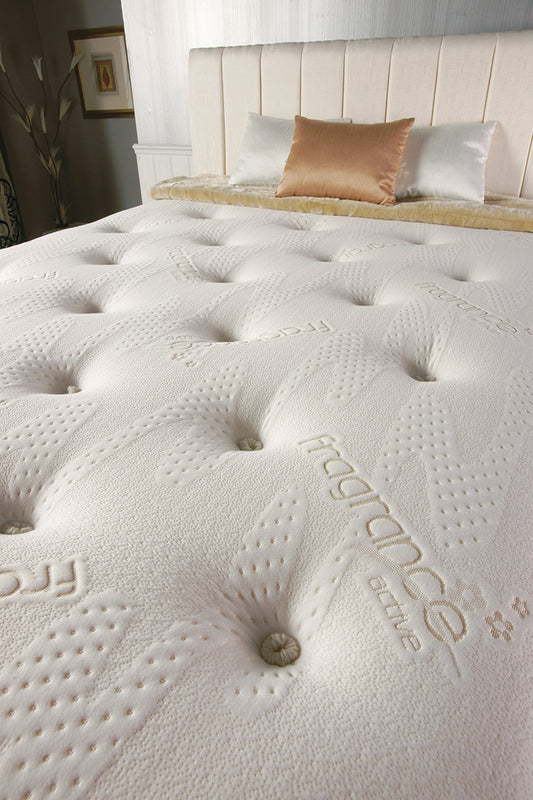
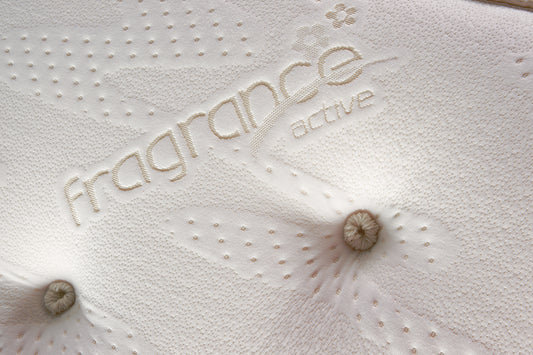
Ylang Ylang Fragrance Active Mattress - Memory Foam Orthopaedic
Regular price From £359.00Regular priceUnit price per£450.00Sale price From £359.00Sale -
Memory Foam Orthopaedic Mattress - Medium Firm Support
Regular price From £399.00Regular priceUnit price per£500.00Sale price From £399.00Sale -
Emerald Firm Mattress 1000 Pocket Springs - Edge-to-Edge Support
Regular price From £449.00Regular priceUnit price per£565.00Sale price From £449.00Sale -
Elite Orthopaedic Mattress - 12.5G Spring System Cool Touch
Regular price From £379.00Regular priceUnit price per£475.00Sale price From £379.00Sale -
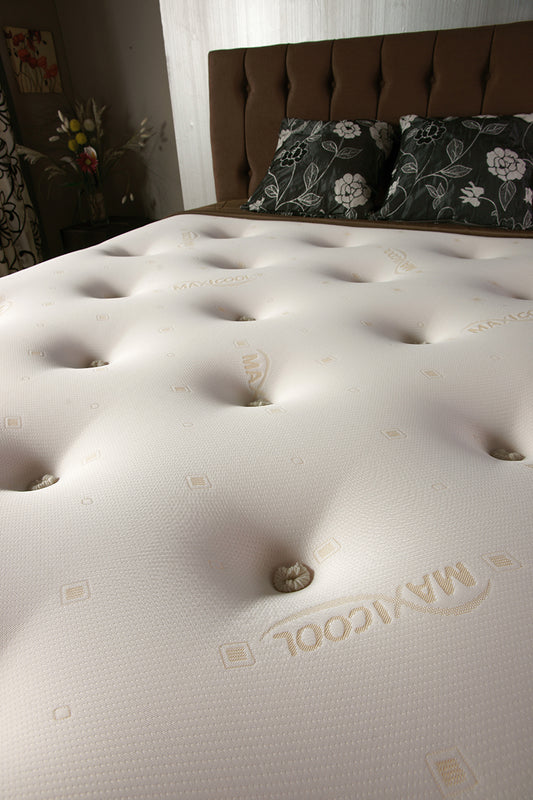
Diamond Laytech Cooling Gel Foam Mattress - 1000 Pocket Springs
Regular price From £639.00Regular priceUnit price per£800.00Sale price From £639.00Sale -
Diamond Laytech 2000 Pocket Spring Mattress - Premium Foam
Regular price From £569.00Regular priceUnit price per£715.00Sale price From £569.00Sale