Best Mattress for Elderly People - Premium Comfort & Support
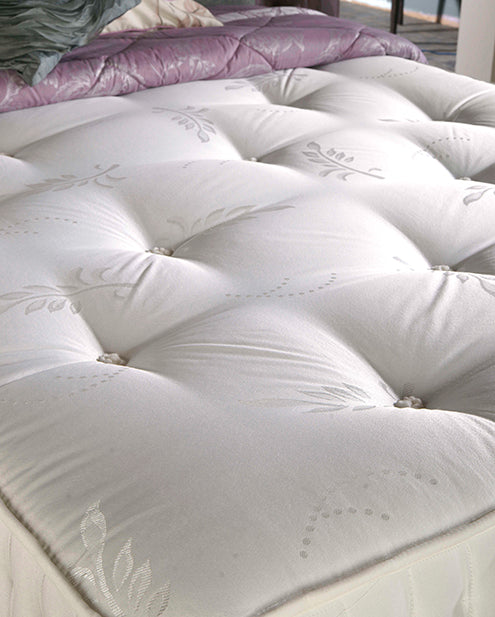
Finding the right mattress becomes increasingly important as we age, with proper support and comfort playing crucial roles in sleep quality, pain management, and overall wellbeing. Our carefully curated collection of the best mattresses for elderly people addresses the unique needs of senior sleepers, combining orthopaedic support, pressure relief, and accessibility features that make a real difference to daily life. Each mattress in this collection has been selected for its ability to provide the firm, responsive support that makes movement easier while offering targeted cushioning for sensitive joints and pressure points. Whether you're dealing with arthritis, back pain, mobility challenges, or simply want to ensure the best possible sleep as you age, these premium mattresses deliver the perfect balance of comfort and support. Featuring advanced pocket spring systems with 1000+ individual springs, orthopaedic and memory foam layers, reinforced edge support for safer bed entry and exit, and cooling technologies to regulate temperature throughout the night, our selection represents the finest options available for senior sleepers. From extra-firm orthopaedic designs for maximum support to cooling gel foam systems for temperature-sensitive sleepers, you'll find mattresses engineered specifically to address the challenges and requirements of elderly sleep. Invest in restorative, comfortable sleep that supports your independence, reduces pain, and helps you wake feeling refreshed and ready for the day ahead.
Key Takeaways
- Medium-firm to firm mattresses typically provide the best support for elderly sleepers, offering easier mobility and proper spinal alignment
- Pocket spring systems with orthopaedic foam layers deliver targeted pressure relief for hips, shoulders, and joints while maintaining support
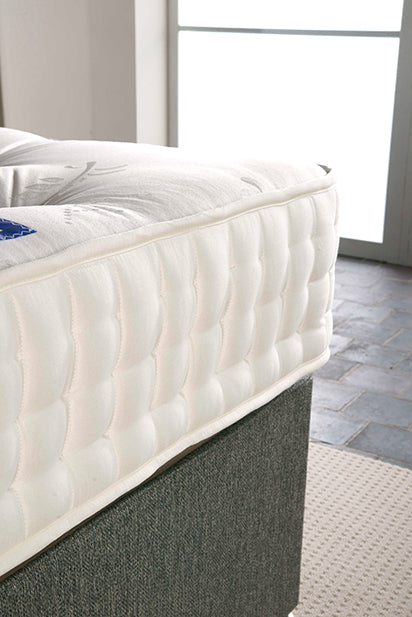
- Edge support is crucial for seniors, making it easier and safer to get in and out of bed independently
- Cooling technologies like gel foam and breathable covers help regulate temperature for more comfortable, uninterrupted sleep
What should you look for in a mattress for elderly people?
When selecting a mattress for elderly sleepers, prioritize support, accessibility, and comfort. The ideal mattress should provide firm enough support to maintain proper spinal alignment while offering sufficient cushioning to relieve pressure on sensitive joints and bony prominences. Look for mattresses with reinforced edge support, which makes sitting on the bed's edge and transitioning in and out significantly easier and safer. Pocket spring systems are excellent for seniors as they provide responsive, targeted support that adapts to body contours without creating excessive sinkage. Temperature regulation is another critical factor—many elderly people experience difficulty regulating body temperature, so cooling gel foams, breathable covers, and moisture-wicking fabrics can dramatically improve sleep quality. The mattress height should also be considered; it should allow feet to touch the floor when sitting on the edge, typically between 10-14 inches. Finally, consider any specific health conditions such as arthritis, circulation issues, or chronic pain, which may benefit from specialized orthopaedic or memory foam layers that distribute weight evenly and reduce pressure points.
How do you choose the right mattress firmness for elderly sleepers?
- Medium-firm to firm support (6-8 on a 10-point scale) works best for most seniors, providing easier movement and preventing excessive sinking that makes repositioning difficult
- Side sleepers may need slightly softer surfaces with enhanced pressure relief for shoulders and hips, while back and stomach sleepers typically benefit from firmer support
- Consider mobility limitations—firmer mattresses make it easier to change positions during the night and get in and out of bed without assistance
- Orthopaedic mattresses with multi-zone support systems target different body areas with appropriate firmness levels, ideal for those with arthritis or joint pain
- Test the mattress by lying in your typical sleep position for at least 10-15 minutes to ensure proper spinal alignment without uncomfortable pressure points
- Those with existing back pain or osteoporosis often require firmer support to prevent misalignment, while pressure sore prevention may require additional cushioning layers
Read Also
Frequently Asked Questions
What is the best type of mattress for an elderly person?
Should elderly sleep on a firm or soft mattress?
Does Medicare pay for mattresses for senior citizens?
What is the best mattress for over 60s?
How often should elderly people replace their mattress?
Sources
- Best Mattresses for Seniors (2025) | Mattress Nerd — www.mattressnerd.com
- Best Mattresses for Seniors (2025) - We Tested 500+ Beds — www.mattressclarity.com
- The Best Mattresses of 2025: Tested and Reviewed — www.ncoa.org
- Best Mattress for Seniors & Elderly (2025) - Medically Reviewed — www.sleepadvisor.org
- Best Mattress for Seniors of 2025 | Best Mattress Brand — bestmattressbrand.com
-
Tendersleep Flexopaedic Orthopaedic Mattress - Extra Firm Support
Regular price From £429.00Regular priceUnit price per£540.00Sale price From £429.00Sale -
Memory Comfort Mattress - Multi-Zone Visco Foam with Cool Touch
Regular price From £449.00Regular priceUnit price per£565.00Sale price From £449.00Sale -
Emerald Firm Mattress 1000 Pocket Springs - Edge-to-Edge Support
Regular price From £449.00Regular priceUnit price per£565.00Sale price From £449.00Sale -
Elite Orthopaedic Mattress - 12.5G Spring System Cool Touch
Regular price From £379.00Regular priceUnit price per£475.00Sale price From £379.00Sale -
Diamond Laytech Cooling Gel Foam Mattress - 1000 Pocket Springs
Regular price From £639.00Regular priceUnit price per£800.00Sale price From £639.00Sale -
Diamond Laytech 1000 Pocket Spring Mattress - Premium Foam Comfort
Regular price From £509.00Regular priceUnit price per£640.00Sale price From £509.00Sale