Best Mattress for Children - Premium Kids Sleep Solutions
Finding the best mattress for your child is one of the most important investments you can make in their health and development. Quality sleep on a properly supportive mattress is essential for growing bodies, cognitive development, and overall wellbeing. Our carefully curated collection of children's mattresses offers diverse options to suit every child's unique needs, from active toddlers to growing teenagers. Whether you're looking for the breathable comfort of pocket spring technology, the reliable support of open coil systems, or the pressure-relieving benefits of memory foam, each mattress in our collection has been selected with children's specific requirements in mind. We understand that children need mattresses that provide proper spinal alignment during critical growth years while being durable enough to withstand active play and nightly movement. Our range includes hypoallergenic options with natural cooling properties, budget-friendly choices that don't compromise on quality, and advanced comfort technologies that ensure your child gets the restorative sleep they need. From the luxurious Aloe Vera Infused Pocket Spring Mattress with natural cooling to the economical yet supportive Open Coil Economy Mattress, you'll find the perfect sleep solution for your child's age, size, and sleeping style.
Key Takeaways
- Children need medium-firm mattresses that provide proper spinal support during critical growth years
- Hypoallergenic materials and breathable fabrics help prevent allergies and regulate temperature for better sleep
- Open coil and pocket spring mattresses offer excellent durability and value for growing children
- Memory foam options with cooling technology prevent overheating while providing pressure relief
What should you look for in a children's mattress?
When selecting a mattress for your child, prioritize proper spinal support with a medium-firm feel that accommodates their growing body. Look for hypoallergenic materials and breathable covers that regulate temperature, as children tend to sleep warmer than adults. Durability is essential since children are more active on their beds, so quality spring systems or high-density foam construction ensure longevity. Safety features like non-toxic materials, flame-retardant treatments that meet safety standards, and appropriate sizing for their bed frame are crucial. Additionally, consider mattresses with moisture-wicking properties and easy-to-clean covers, as accidents are more common with younger children. The mattress should provide consistent support across all sleeping positions while being comfortable enough to encourage healthy sleep habits.
How do you choose the right mattress firmness for your child's age?
- Toddlers and preschoolers (2-5 years): Medium-firm support helps developing spines maintain proper alignment while providing enough comfort for restful sleep
- School-age children (6-12 years): Medium to medium-firm mattresses accommodate growth spurts and increased body weight while supporting active play and recovery
- Teenagers (13+ years): Firmer support becomes important as they reach near-adult weight, with options for memory foam or hybrid designs based on sleep preferences
- Consider your child's weight and build: lighter children may need slightly softer surfaces, while heavier children benefit from firmer support
- Test for proper support: when lying down, there should be minimal gap between the mattress and the natural curve of the spine
Read Also
Frequently Asked Questions
What type of mattress is best for a child?
Is pocket sprung or memory foam better for kids?
Should a 4 year old have a firm or soft mattress?
What firm mattress is best for kids?
How often should you replace a child's mattress?
Sources
- Best Mattress For Kids: Our Experts Test 370+ Mattresses — naplab.com
- Best Mattress for Kids (2025): Our Picks for a Better Bedtime — sleepopolis.com
- Best Mattresses For Kids 2025 | Mattress Clarity — www.mattressclarity.com
- Best Mattress for Kids in 2025 Expert-Tested, Parent-Approved — www.sleepfoundation.org
- Best Mattress for Kids – Expert Reviewed - Sleep Advisor — www.sleepadvisor.org
-
Open Coil Economy Mattress - 13.5 Gauge Spring Support
Regular price From £119.00Regular priceUnit price per£150.00Sale price From £119.00Sale -
Memory Comfort Mattress - Multi-Zone Visco Foam with Cool Touch
Regular price From £449.00Regular priceUnit price per£565.00Sale price From £449.00Sale -
Candy Open Coil Spring Mattress - 7-8 Inch Damask Cover
Regular price From £139.00Regular priceUnit price per£175.00Sale price From £139.00Sale -
Memory Sprung Open Coil Mattress - Balanced Support & Comfort
Regular price From £239.00Regular priceUnit price per£300.00Sale price From £239.00Sale -
Crystal Open Coil Spring Mattress - Damask Fabric Comfort
Regular price From £219.00Regular priceUnit price per£275.00Sale price From £219.00Sale -
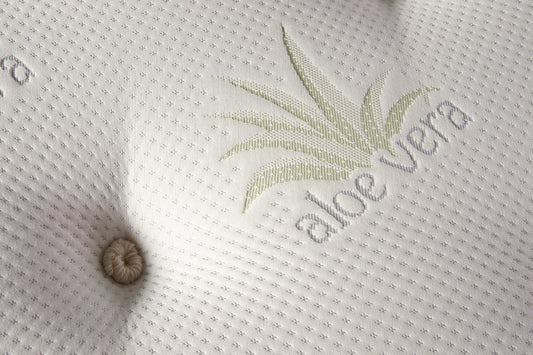
Aloe Vera Infused Pocket Spring Mattress - Natural Cooling
Regular price From £409.00Regular priceUnit price per£515.00Sale price From £409.00Sale