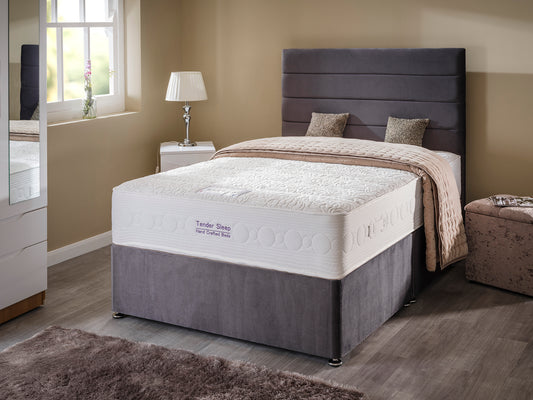
Best Mattress for Arthritis Sufferers - Premium Comfort Collection
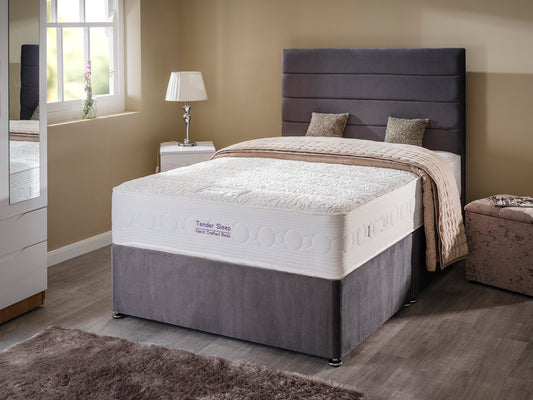
Living with arthritis doesn't mean you have to sacrifice restful sleep. Finding the right mattress can make a dramatic difference in managing joint pain, reducing morning stiffness, and improving your overall quality of life. Our carefully curated collection of mattresses for arthritis sufferers combines advanced support technologies with pressure-relieving comfort layers to address the unique challenges of sleeping with inflammatory joint conditions. Each mattress in this collection features premium pocket spring systems ranging from 1000 to 2000 individual springs that respond independently to your body's contours, providing targeted support exactly where you need it while minimizing pressure on sensitive joints. These are paired with specialized comfort layers—including memory foam, cooling gel foam, and visco-elastic materials—that cradle your body, distribute weight evenly, and reduce stress on arthritic hips, shoulders, knees, and spine. Whether you're dealing with osteoarthritis, rheumatoid arthritis, or other inflammatory joint conditions, the right mattress can help you wake up feeling more refreshed and less stiff. Our collection includes orthopaedic options with firmer support for those who need maximum spinal alignment, as well as medium-firm hybrid designs that balance cushioning with stability. Temperature regulation features like cooling gel infusions and breathable cover fabrics help manage inflammation-related heat, while multi-zone support systems provide customized pressure relief for common arthritis pain points. Discover how the perfect combination of support, comfort, and therapeutic design can transform your sleep and help you manage arthritis symptoms more effectively.
Key Takeaways
- Medium-firm mattresses with pressure-relieving foam layers provide optimal support for arthritic joints without causing additional stiffness
- Pocket spring systems with 1000+ individual coils offer targeted support and reduce pressure points on hips, shoulders, and knees
- Memory foam and gel-infused layers contour to your body, distributing weight evenly and minimizing joint stress throughout the night
- Temperature regulation features like cooling gel and breathable covers help manage inflammation and prevent sleep disruption from overheating
What should you look for in a mattress for arthritis pain relief?
When selecting a mattress for arthritis, prioritize features that address pressure point relief, proper spinal alignment, and ease of movement. The ideal mattress should have a supportive base layer—such as a high-count pocket spring system (1000-2000 springs)—combined with comfort layers of memory foam, latex, or gel-infused foam that conform to your body's contours. Look for medium to medium-firm options, as they provide the perfect balance between cushioning tender joints and maintaining proper support to prevent morning stiffness. Temperature regulation is equally important, as arthritis sufferers often experience inflammation that can be exacerbated by heat retention. Cooling gel layers, breathable cover fabrics, and moisture-wicking materials help maintain an optimal sleep temperature. Additionally, consider mattresses with zoned support systems that provide targeted pressure relief for common arthritis pain points like hips, shoulders, and lower back. Motion isolation is another valuable feature if you share your bed, as it prevents partner movements from disturbing your rest and potentially aggravating sensitive joints.
How do you choose the right mattress firmness for arthritis sufferers?
- Medium-firm support (5-7 on a 10-point scale) is typically ideal, providing enough cushioning for pressure relief while maintaining spinal alignment and preventing joints from sinking too deeply
- Side sleepers with arthritis benefit from slightly softer options that cushion shoulders and hips, while back and stomach sleepers need firmer support to prevent lower back strain
- Consider your weight distribution—lighter individuals (under 130 lbs) may prefer medium support, while heavier individuals (over 230 lbs) often need firmer mattresses to prevent excessive sinkage
- Test the 'hand press' method: if you can easily press your hand into the mattress surface but feel substantial resistance after 2-3 inches, the firmness level is likely appropriate for arthritis relief
- Look for mattresses with multiple foam layers or adjustable comfort options that allow you to modify firmness as your arthritis symptoms change over time
Read Also
Frequently Asked Questions
What firmness of mattress is best for arthritis?
What is the best mattress for a senior with arthritis?
Is a purple mattress good for arthritis?
What mattress is best for back and hip pain?
How often should someone with arthritis replace their mattress?
Sources
- Best Mattress for Arthritis and Joint Pain — www.sleepfoundation.org
- Best Mattress for Arthritis (2025) | Mattress Nerd — www.mattressnerd.com
- Best Mattresses for Arthritis & Joint Pain Relief in 2025 — www.mattressfirm.com
- Best Mattresses for Hip Pain — www.consumerreports.org
- Best Mattresses For Arthritis And Joint Pain — blog.mattressdirectsc.com
-
Memory Foam Orthopaedic Mattress - Medium Firm Support
Regular price From £399.00Regular priceUnit price per£500.00Sale price From £399.00Sale -
Diamond Laytech Cooling Gel Foam Mattress - 1000 Pocket Springs
Regular price From £639.00Regular priceUnit price per£800.00Sale price From £639.00Sale -
Diamond Laytech 2000 Pocket Spring Mattress - Premium Foam
Regular price From £569.00Regular priceUnit price per£715.00Sale price From £569.00Sale -
Elite Orthopaedic Mattress - 12.5G Spring System Cool Touch
Regular price From £379.00Regular priceUnit price per£475.00Sale price From £379.00Sale -
Memory Comfort Mattress - Multi-Zone Visco Foam with Cool Touch
Regular price From £449.00Regular priceUnit price per£565.00Sale price From £449.00Sale -
Diamond Laytech 1000 Pocket Spring Mattress - Premium Foam Comfort
Regular price From £509.00Regular priceUnit price per£640.00Sale price From £509.00Sale