Best Hypoallergenic Mattress for Allergies - Premium Sleep Collection
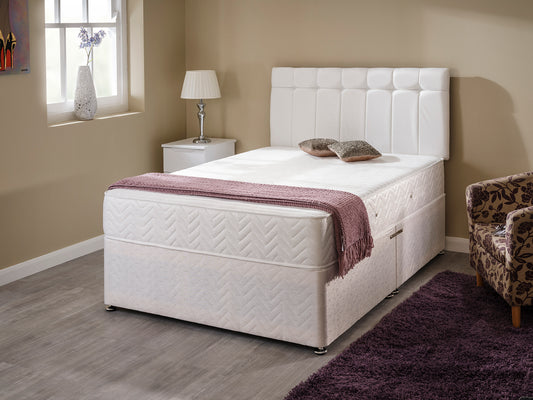
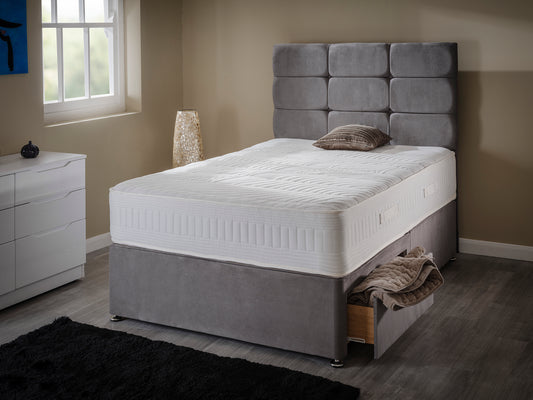
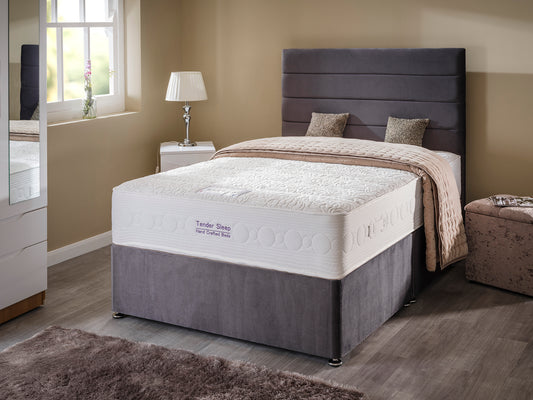
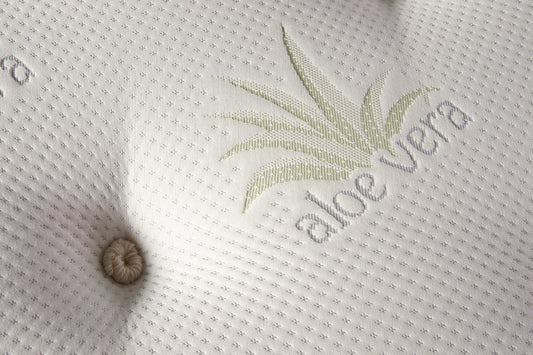
Finding relief from nighttime allergies starts with the right mattress. Our curated collection of hypoallergenic mattresses combines advanced materials science with natural antimicrobial properties to create sleeping environments where allergens simply cannot thrive. Each mattress in this collection has been selected for its proven ability to resist dust mites, mold, and bacteria—the primary culprits behind sleep-disrupting allergy symptoms. From the naturally soothing Aloe Vera Infused Pocket Spring Mattress to the technologically advanced Diamond Laytech Cooling Gel Foam Mattress, these sleep solutions feature breathable pocket spring systems, dense memory foam barriers, and organic materials that provide comprehensive allergen protection without compromising comfort. Whether you suffer from dust mite sensitivities, respiratory allergies, or chemical sensitivities, you'll discover mattresses engineered with cooling technologies, moisture-wicking properties, and antimicrobial treatments that transform your bedroom into a sanctuary of healthy, restorative sleep. Explore our selection and experience the difference that a truly hypoallergenic mattress makes—waking refreshed and symptom-free becomes not just a possibility, but your new reality.
Key Takeaways
- Hypoallergenic mattresses use naturally resistant materials like organic cotton, aloe vera, and cooling gel foam to minimize allergen accumulation
- Pocket spring systems with breathable layers promote airflow, reducing moisture and dust mite proliferation by up to 80%
- Memory foam and latex layers with antimicrobial properties create protective barriers against common allergens and irritants
- Regular mattress maintenance combined with hypoallergenic materials can significantly reduce allergy symptoms and improve sleep quality
What should you look for in a hypoallergenic mattress for allergies?
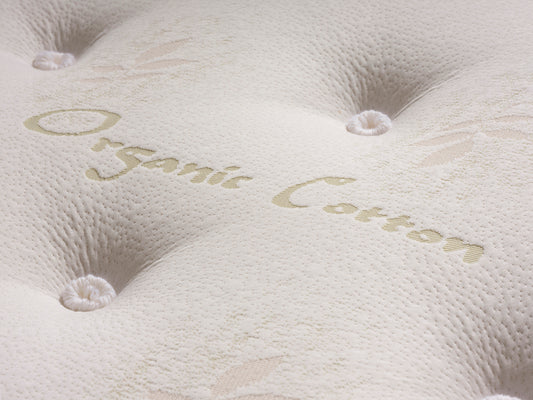
When selecting a hypoallergenic mattress for allergies, prioritize materials that naturally resist dust mites, mold, and bacteria. Look for mattresses featuring organic cotton covers, natural latex, or gel-infused memory foam, which create inhospitable environments for allergens. Breathability is crucial—pocket spring systems with multiple zones allow superior air circulation, preventing the moisture buildup that attracts dust mites. Antimicrobial treatments using natural substances like aloe vera provide additional protection without chemical additives. The mattress should also have dense foam layers that prevent allergen penetration while remaining comfortable. Consider certifications like CertiPUR-US or OEKO-TEX, which ensure materials are free from harmful chemicals that could trigger sensitivities. Finally, removable and washable covers make it easier to maintain a clean, allergen-free sleeping surface, which is essential for long-term allergy management.
How do you choose the right hypoallergenic mattress for your specific allergy needs?
- Identify your specific allergens: Determine whether you're sensitive to dust mites, mold, pet dander, or chemical off-gassing to select appropriate materials and treatments
- Assess breathability requirements: Those with respiratory allergies benefit most from pocket spring systems (1000-2000 springs) combined with cooling gel or breathable foam layers
- Evaluate natural vs. synthetic materials: Organic cotton and aloe vera infusions offer chemical-free hypoallergenic properties, while premium foam layers provide dense barriers against allergen penetration
- Consider temperature regulation: Cooling technologies prevent excessive sweating that creates moisture—a primary factor in dust mite and mold growth
- Check firmness and support zones: Multi-zone pocket springs with memory foam provide pressure relief without compromising the structural integrity that keeps allergens from settling deep within the mattress
- Review maintenance requirements: Select mattresses with removable covers and materials that can withstand regular cleaning without degrading hypoallergenic properties
Read Also
Frequently Asked Questions
What mattress is best for allergy sufferers?
What is the best hypoallergenic bed?
Is there such a thing as a hypoallergenic mattress?
What can I do if I'm allergic to my mattress?
How do cooling gel and memory foam mattresses help with allergies?
Sources
- The Best Hypoallergenic Mattress — www.sleepfoundation.org
- Best Mattress for Allergies: Expert-Approved Hypoallergenic Beds — sleepdoctor.com
- Best Hypoallegenic Mattresses (2025) - See Our Experts’ Top Picks — sleepopolis.com
- Best Hypoallergenic Mattress for Allergies | FULL GUIDE — www.youtube.com
- 8 Best Hypoallergenic Mattresses, Tested by CNET's Sleep Experts — www.cnet.com
-
Organic Cotton Mattress - 2000 Pocket Springs Memory Foam
Regular price From £609.00Regular priceUnit price per£765.00Sale price From £609.00Sale -
Diamond Laytech 2000 Pocket Spring Mattress - Premium Foam
Regular price From £569.00Regular priceUnit price per£715.00Sale price From £569.00Sale -
Memory Comfort Mattress - Multi-Zone Visco Foam with Cool Touch
Regular price From £449.00Regular priceUnit price per£565.00Sale price From £449.00Sale -
Diamond Laytech Cooling Gel Foam Mattress - 1000 Pocket Springs
Regular price From £639.00Regular priceUnit price per£800.00Sale price From £639.00Sale -
Diamond Laytech 1000 Pocket Spring Mattress - Premium Foam Comfort
Regular price From £509.00Regular priceUnit price per£640.00Sale price From £509.00Sale -
Aloe Vera Infused Pocket Spring Mattress - Natural Cooling
Regular price From £409.00Regular priceUnit price per£515.00Sale price From £409.00Sale