Best Firm Mattress for Back Sleepers - Premium Sleep Collection
Finding the perfect firm mattress for back sleeping can transform your sleep quality and eliminate morning back pain. As a back sleeper, your mattress needs to provide robust support that maintains your spine's natural alignment throughout the night—preventing your hips from sinking too deeply while supporting your lumbar curve. Our expertly curated collection features the finest firm and orthopaedic mattresses specifically selected for back sleepers who demand superior support without sacrificing comfort. Each mattress in this collection combines advanced spring systems—from 1000+ pocket springs to heavy-duty 12.5 gauge orthopaedic springs—with innovative comfort technologies including cooling gel foam, pressure-relieving layers, and edge-to-edge support. Whether you're seeking an extra-firm orthopaedic mattress for maximum back support or a balanced firm pocket spring mattress with cooling properties, you'll find professionally vetted options designed to deliver the spinal alignment and pressure relief that back sleepers require. These premium mattresses represent the gold standard in firm support, combining durability, comfort, and therapeutic benefits that address back pain while promoting restorative sleep night after night.
Key Takeaways
- Back sleepers need medium-firm to firm mattresses (7-9 on firmness scale) to maintain proper spinal alignment and prevent lower back pain
- Orthopaedic mattresses with 1000+ pocket springs or 12.5 gauge spring systems provide optimal support for back sleeping positions
- Look for edge-to-edge support, cooling technologies, and pressure-relieving layers that complement firm foundations
- The right firm mattress should support natural spine curvature while cushioning pressure points at shoulders and hips
What should you look for in a firm mattress for back sleepers?
When selecting a firm mattress for back sleeping, prioritize proper spinal alignment and targeted support. The ideal mattress should maintain your spine's natural S-curve, preventing your hips from sinking too deeply while supporting your lower back. Look for mattresses with robust spring systems—either 1000+ pocket springs or 12.5 gauge orthopaedic springs—as these provide the foundational firmness back sleepers require. Cooling technologies like gel-infused foam or cool-touch fabrics are essential since firmer mattresses can trap heat. Edge-to-edge support maximizes usable sleeping surface and prevents sagging over time. Quality firm mattresses should also include a comfort layer that cushions pressure points without compromising the supportive base, creating the perfect balance between firmness and comfort that back sleepers need for restorative sleep.
How do you choose the right firm mattress for back pain relief?
- Assess firmness level: Target 7-9 on the firmness scale (with 10 being firmest) to provide adequate support without excessive hardness that creates new pressure points
- Evaluate spring system quality: Choose between pocket springs (1000+ count for motion isolation) or orthopaedic spring systems (12.5 gauge for maximum durability and support)
- Consider body weight and build: Heavier individuals (over 230 lbs) benefit from extra-firm orthopaedic options, while average-weight sleepers may prefer firm pocket spring mattresses
- Check for pressure relief layers: Even firm mattresses need comfort layers (memory foam, gel foam, or natural fillings) to cushion shoulders and hips
- Verify temperature regulation: Look for cooling gel infusions, breathable covers, or natural materials that prevent heat retention common in firm mattresses
- Test edge support: Reinforced perimeters prevent roll-off and extend mattress lifespan, especially important for firm mattresses used by couples
Read Also
Frequently Asked Questions
What is the best firmness mattress for a back sleeper?
Is a firmer mattress better for your back?
What is the highest rated firm mattress?
What mattress do most chiropractors recommend?
How long does it take to adjust to a firm mattress?
Sources
- Best Mattress For Back Sleepers: Our Experts Test 360+ Mattresses — naplab.com
- The Best Firm Mattress of 2025 — www.sleepfoundation.org
- Best Mattress for Back Sleepers | 370+ Mattresses Tested — sleepopolis.com
- Best Firm Mattresses (2025): We Tested 500+ Beds — www.mattressclarity.com
- — www.reddit.com
-
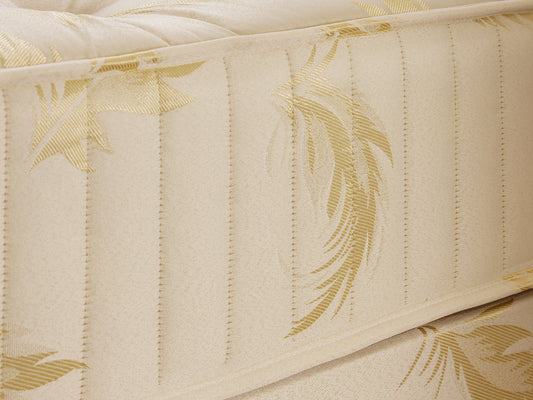
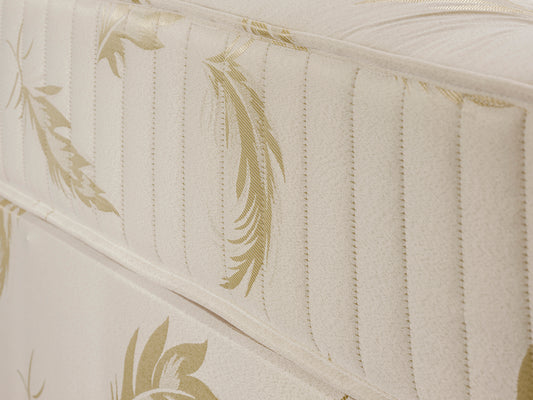
Knightsbridge Firm Ortho Mattress - 12.5G Springs Damask
Regular price From £229.00Regular priceUnit price per£290.00Sale price From £229.00Sale -
Galaxy Orthopaedic Spring Mattress - 12.5G Support System
Regular price From £199.00Regular priceUnit price per£250.00Sale price From £199.00Sale -
Elite Orthopaedic Mattress - 12.5G Spring System Cool Touch
Regular price From £379.00Regular priceUnit price per£475.00Sale price From £379.00Sale -
Emerald Firm Mattress 1000 Pocket Springs - Edge-to-Edge Support
Regular price From £449.00Regular priceUnit price per£565.00Sale price From £449.00Sale -
Tendersleep Flexopaedic Orthopaedic Mattress - Extra Firm Support
Regular price From £429.00Regular priceUnit price per£540.00Sale price From £429.00Sale -
Diamond Laytech Cooling Gel Foam Mattress - 1000 Pocket Springs
Regular price From £639.00Regular priceUnit price per£800.00Sale price From £639.00Sale