

Quality Indicators Budget Mattress Shopping Guide: Craftsmanship, Value, and Smart Choices
A well-made budget mattress should feel like a well-tailored suit: clean lines, considered materials, and construction that holds its shape. This guide puts quality first—how to spot craftsmanship details, decode certifications, and set realistic feature expectations at key UK price tiers. Whether you’re furnishing a first flat, upgrading a guest room, or buying for a growing family, use it to get maximum value without compromising on sleep.
Key Takeaways / Summary
- Quality framework: Prioritise pocket springs (or high-density foams), adequate comfort-layer thickness, sturdy edge support, breathable covers, clear certification labels (BS7177, CertiPUR/CertiPUR-US, OEKO-TEX), and transparent warranties/returns.
-
Price-to-quality expectations (UK):
- ~£200: Basic open coil or entry foam; minimal extras; short warranties; check BS7177 compliance and basic edge stability.
- ~£400: Pocket springs (often 800–1000+ in a UK double) or improved foam systems; better covers, motion isolation, and trial windows more common.
- ~£600: Thicker comfort layers, zoned support, stronger edges, and more refined finishing resembling higher-end builds.
- What to inspect in-store or on delivery: Stitching alignment, hand-tufting consistency, straight sidewalls, even loft; sit/edge test; hand-press responsiveness; basic heat build-up check.
- Red flags: Heavy glue odour, vague material claims, ultra-thin comfort layers, uneven quilting, no safety certification marks, and “no-return” policies.
- Certifications decoder: BS7177 (fire safety), CertiPUR/CertiPUR-US (foam content/low emissions), OEKO-TEX (textiles tested for harmful substances).
- Learn more: Explore these expert guides: Affordable Memory Foam under £500, Best Foam Mattresses by Sleep Style, Luxury Latex Mattresses, Durable Innerspring for Heavy Individuals.
Before comparing price tiers, it helps to know the craftsmanship cues that separate a merely cheap mattress from a genuine budget-value buy. Use the checklist below to evaluate any model against a consistent standard.
The Quality Framework: 10 non-negotiable indicators of a well-made budget mattress
- Support core quality — Pocket springs (for hybrid/innerspring models) or consistently dense foams (for foam/latex designs). Pocket springs generally offer better contouring and motion isolation than open coil.
- Comfort-layer thickness — Look for a meaningful comfort layer above the core so you don’t “bottom out.” It should feel present when you press and lie down.
- Edge support — Sit on the edge; you shouldn’t feel like you’ll slide off. Good edge support maximises usable surface—key for couples and small rooms.
- Cover fabric and quilting — Taut, even quilting and a breathable, skin-friendly cover. No loose threads, ripples, or misalignment along the border.
- Motion isolation — Press near your hip, then near the opposite side; excessive bounce transfer is a sign of lower isolation (relevant for couples).
- Thermal management — Gel-infused foams, open-cell structures, or breathable natural fibres help manage heat build-up.
- Material transparency — Clear naming (e.g., memory foam, gel foam, pocket springs) beats vague claims like “premium comfort layer.” Ask for layer types and thicknesses.
- Certifications — Look for BS7177 (fire safety) labels in the UK, and materials tested to CertiPUR/CertiPUR-US and OEKO-TEX standards where applicable.
- Warranty and trial clarity — Even budget models should have reasonable return windows and transparent warranty terms.
- Consistent finishing — Hand-tufting or careful stitching that mirrors fine tailoring—clean corners, straight piping, and uniform loft.
Red flags to avoid (especially at lower budgets)
- Strong chemical or glue odour out of the box that lingers beyond initial airing.
- Vague materials (“high-grade foam,” “luxury filling”) with no specifics.
- Very thin comfort layers that compress quickly under hand pressure.
- Uneven tufting, sloppy seams, or bowed borders.
- No mention of BS7177 compliance for UK safety requirements.
- “No returns” or unclear warranty language—especially for online purchases.
With the fundamentals in mind, here’s how expectations shift as budgets increase—so you can recognise a fair price and avoid paying for features you don’t need.
Price-to-Quality Matrix: What to expect at ~£200 / ~£400 / ~£600
| Budget | Reasonable expectations | Quality checks | Common trade-offs |
|---|---|---|---|
| ~£200 | Basic open-coil or entry-level foam; breathable cover; straightforward comfort layer. | Check BS7177; ensure even quilting; sit/edge test; sniff test for strong odours. | Edge support and motion isolation may be modest; comfort layers usually thinner. |
| ~£400 | Pocket springs (commonly 800–1000+ in a UK double) or better foams; improved motion isolation; more breathable cover. | Confirm material types; check for certifications; evaluate heat build-up over 10–15 minutes of lying. | Still fewer luxury touches; zoning and natural fibres may be limited. |
| ~£600 | Thicker comfort layers; more robust edges; possible zoning; more refined finishing akin to high-quality tailoring. | Assess pressure relief at shoulders/hips; confirm certifications and warranty terms. | Natural fibres and premium foams appear, but still not “ultra-luxury” spec. |
Certification decoder (plain-English)
- BS7177 (UK) — Fire safety standard for mattresses. Look for the label; it’s essential for UK compliance.
- CertiPUR/CertiPUR-US — Foam certification indicating content and emissions have been tested; avoids certain harmful substances (brands in the UK may use the EU “CertiPUR” scheme).
- OEKO-TEX Standard 100 — Textiles tested for harmful substances. Useful for covers and quilting materials.
Seeing certification logos on product pages or labels is like spotting a fabric mill mark in fine tailoring—proof of provenance and safety testing.
Try before you buy if possible, and if purchasing online, simulate a showroom visit at home during your trial window. A few simple checks reveal a lot about quality and comfort.
How to test a mattress (in-store or at home)
- Edge test: Sit and tie your shoe. You shouldn’t feel like you’re sliding off; minimal collapse suggests usable surface for couples.
- Pressure relief: Lie on your side for 5–10 minutes. Shoulder/hip should sink without jamming; no pins-and-needles sensation.
- Motion isolation: Press near your hip, then have a partner sit near the opposite edge. Excess bounce transfer can disrupt light sleepers.
- Heat check: Stay in one spot for ~10 minutes to gauge warmth build-up; note any clamminess.
- Finish & feel: Run your hand across seams and quilting; look for consistent stitching and tidy borders.
Price is a signal, not a verdict. Here’s how to think about budget, cheap, and value so you can spend wisely rather than minimally.
Budget vs Cheap vs Value: What’s the difference?
| Category | What it typically means | How to buy smart |
|---|---|---|
| Cheap | Lowest upfront price; minimal materials; often vague specs and weak finishing. | Insist on certifications; test edge support; be wary of no-return policies. |
| Budget | Thoughtful trade-offs; clear specs; adequate comfort and safety standards. | Use the quality framework; prioritise support core and edge integrity. |
| Value | Best quality-for-price; refined components and finishing beyond the sticker. | Compare features per pound; scrutinise materials and warranty. |
Explore value picks featured in our guides
Below are mattresses featured across Mattress Land’s guides. Click any image to read the related article and learn more. Images are product photography; availability, specs, and pricing are shown on their respective pages.
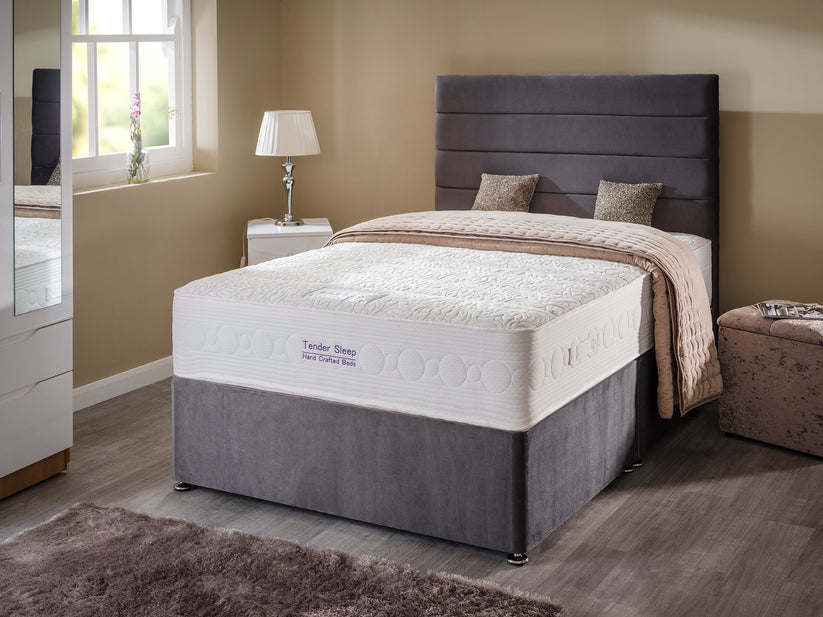
Diamond Laytech 2000 Pocket Mattress
Pocket-sprung support paired with a latex-like comfort feel for buoyant pressure relief and good airflow—often a strong pick for couples.
View Details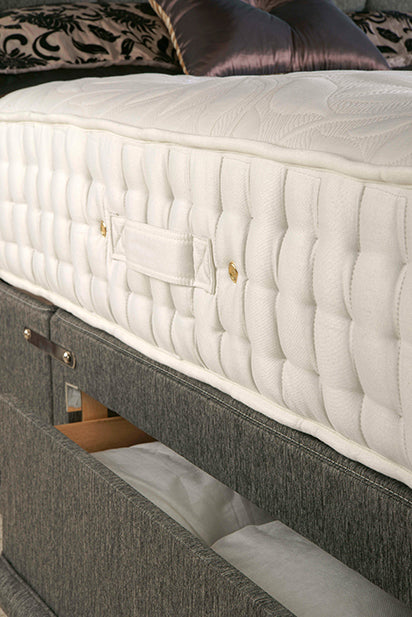
2000 Pocket Supreme Mattress
A pocket-sprung design aimed at balanced support and motion control with a cushioned top finish.
View Details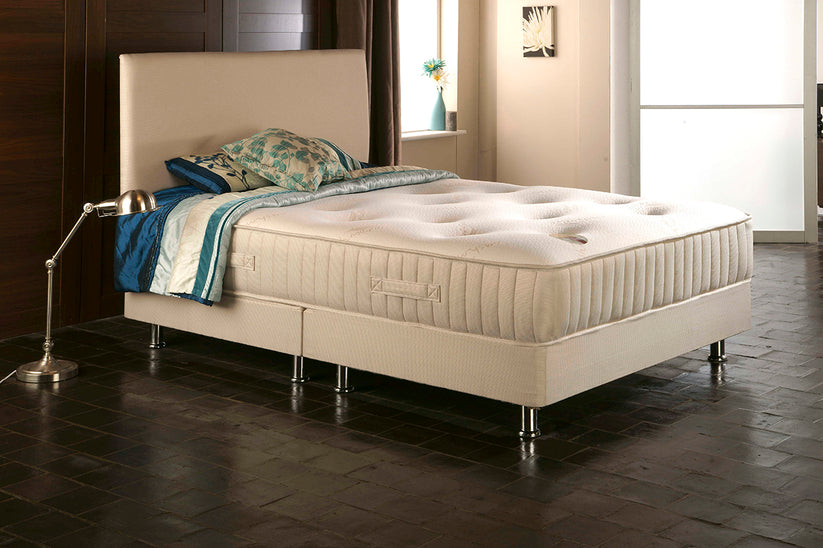
Cashmere Pocket Mattress
Pocketed springs with a breathable, soft-touch top layer for a subtly plush, refined hand feel.
View Details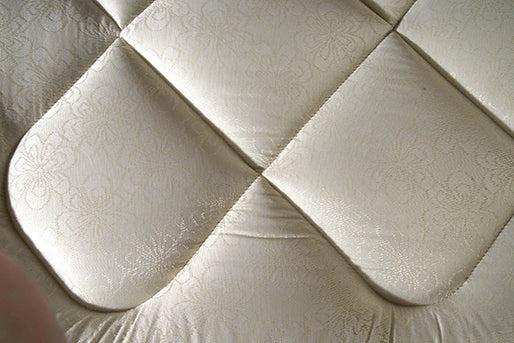
Galaxy Ortho Mattress
Orthopaedic-leaning feel with a firmer, flatter surface that supports neutral alignment.
View Details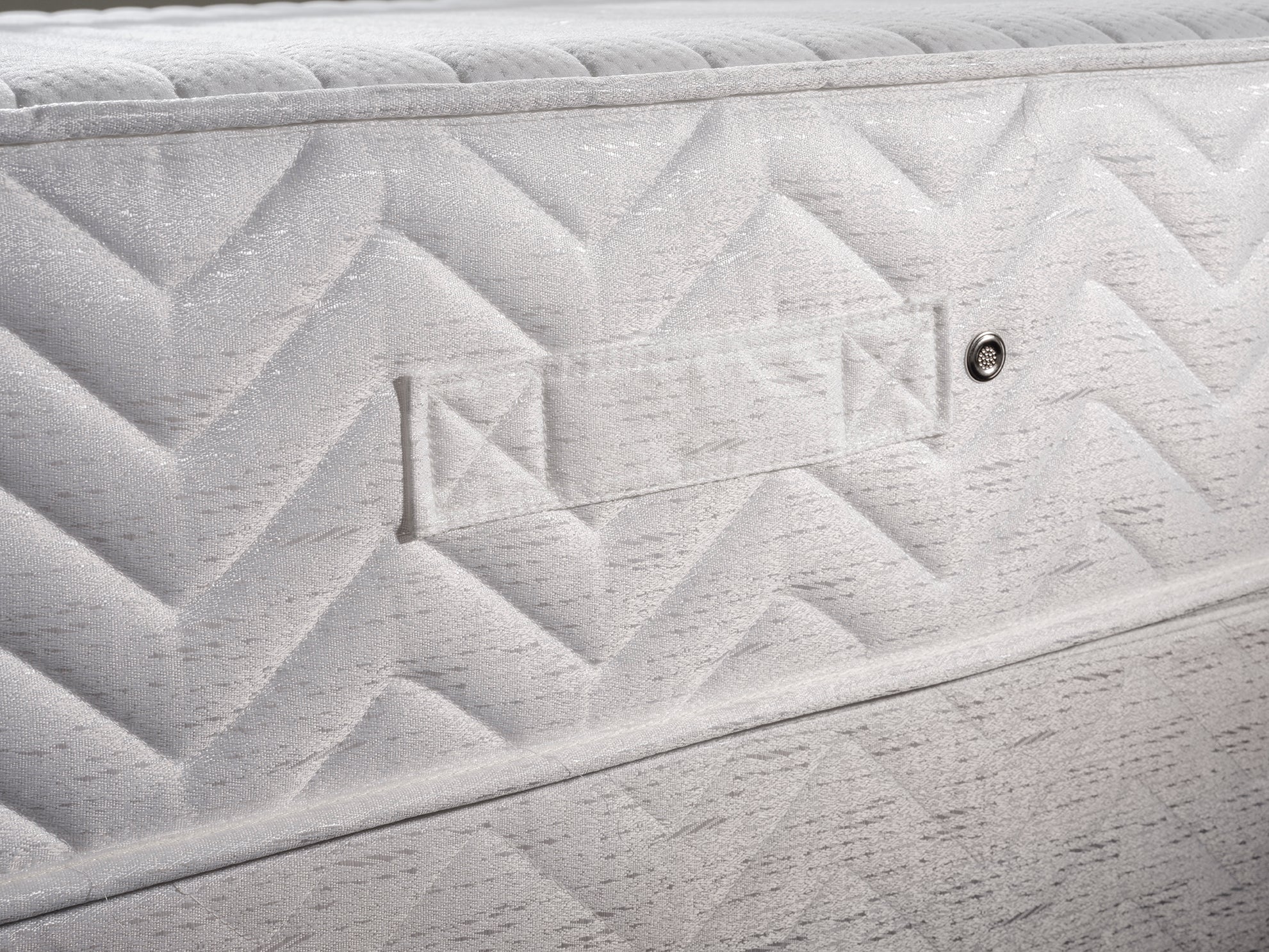
Memory Comfort Mattress
All-foam comfort with slow-response pressure relief ideal for side-sleeper shoulders and hips.
View Details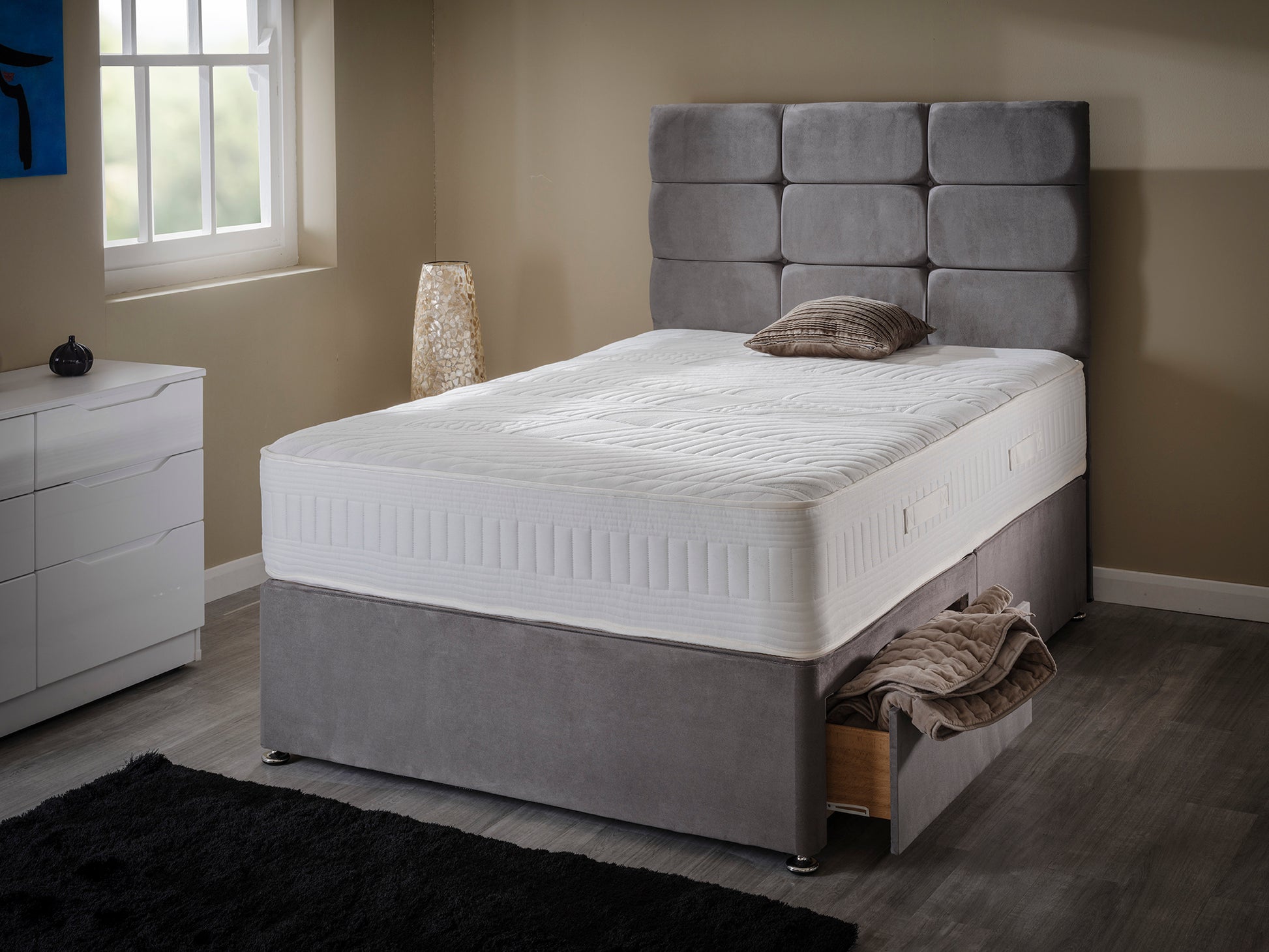
Topaz Gel Foam Mattress
Gel-infused comfort foam designed to balance contouring with improved temperature management.
View Details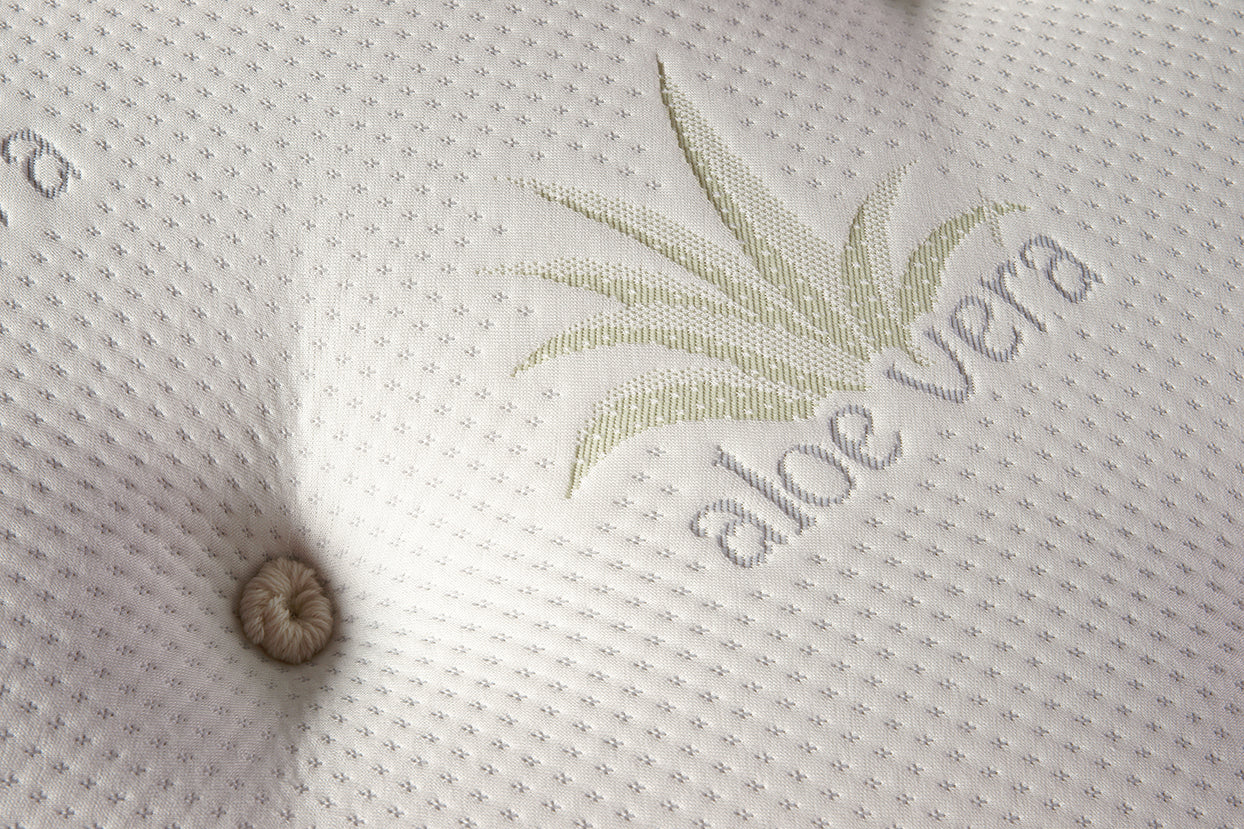
Aloe Vera Mattress
A soft-touch cover with an aloe-vera-style treatment and a comfort-forward feel for gentle cushioning.
View Details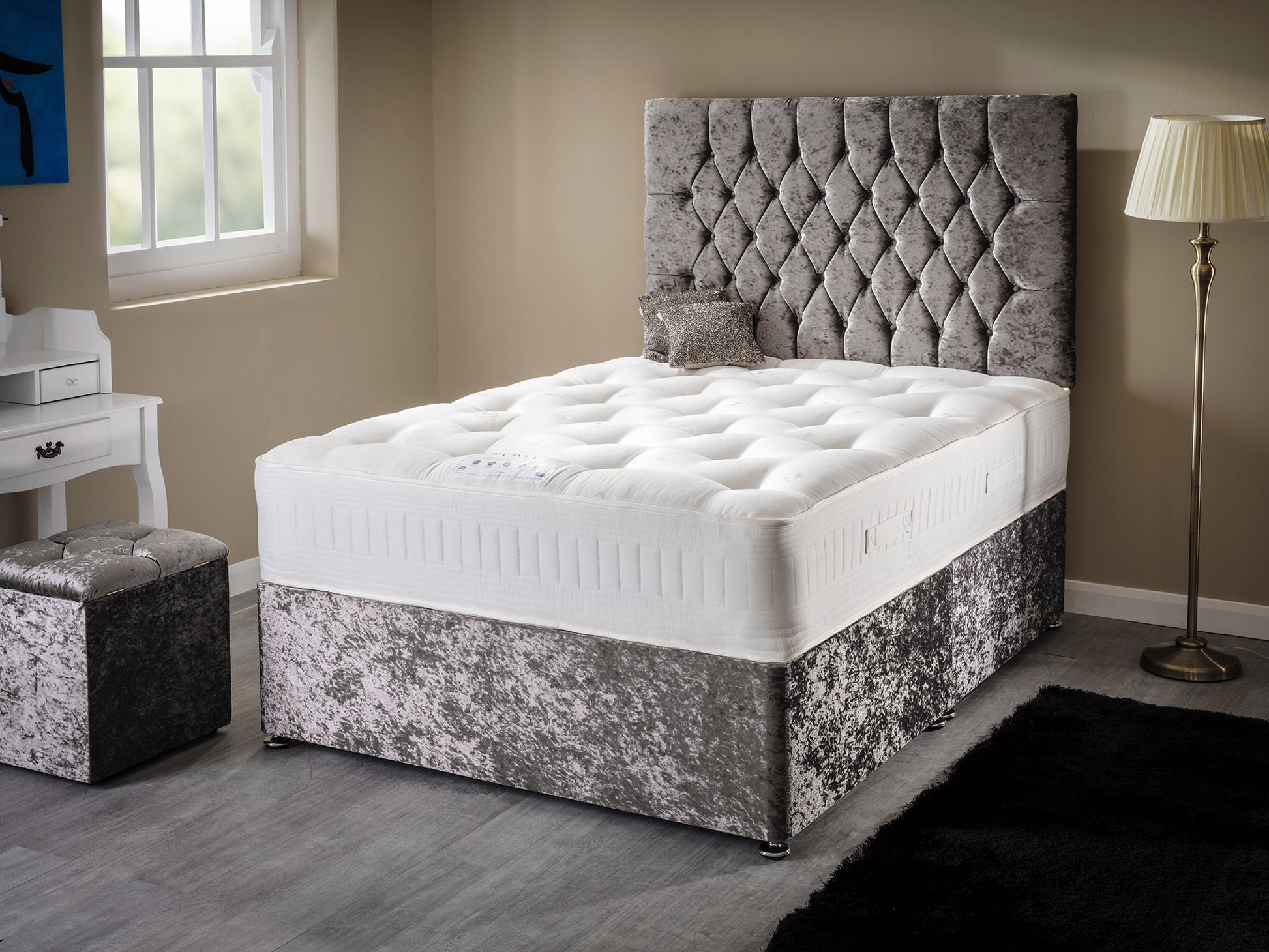
Onyx 3000 Mattress
A high-count spring approach for responsive support and a more “up-on-the-bed” feel.
View Details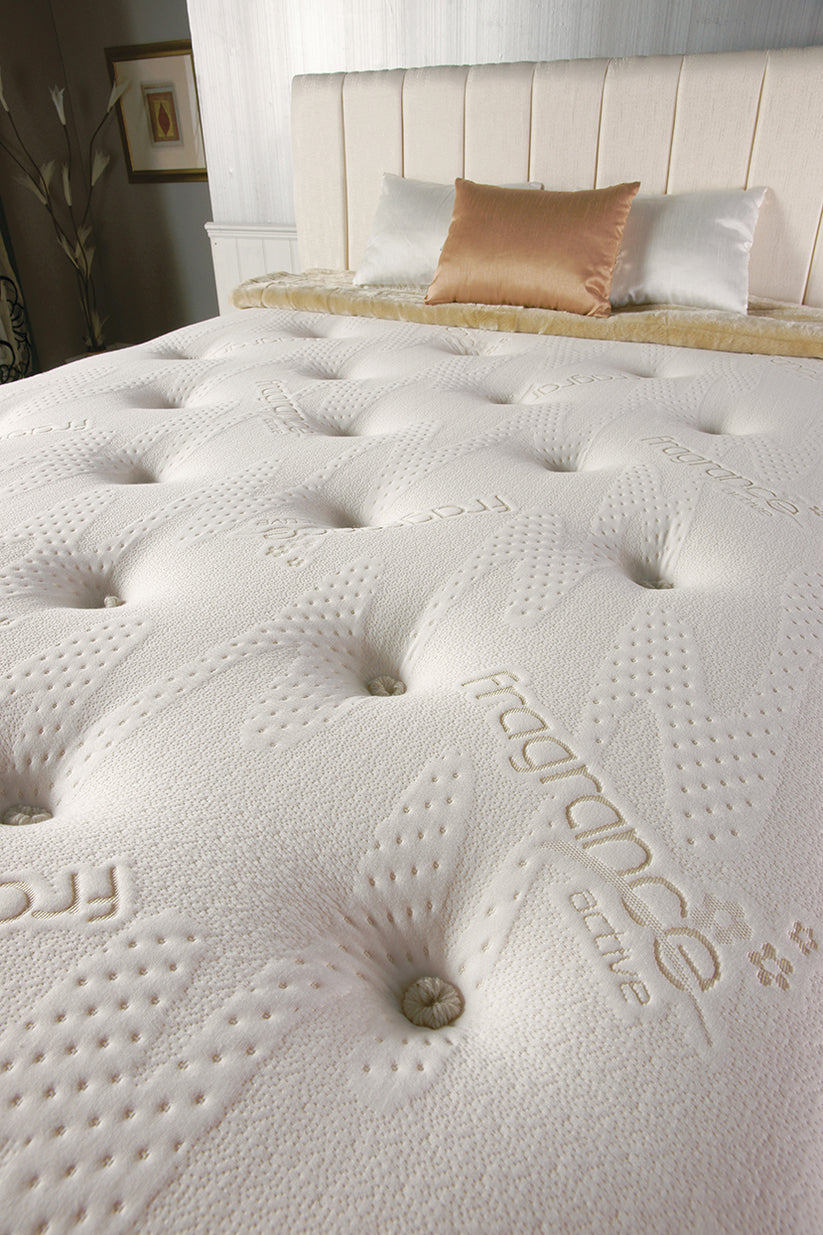
Fragrance Active Mattress
A plush-leaning foam experience with a smooth top panel for even pressure distribution.
View Details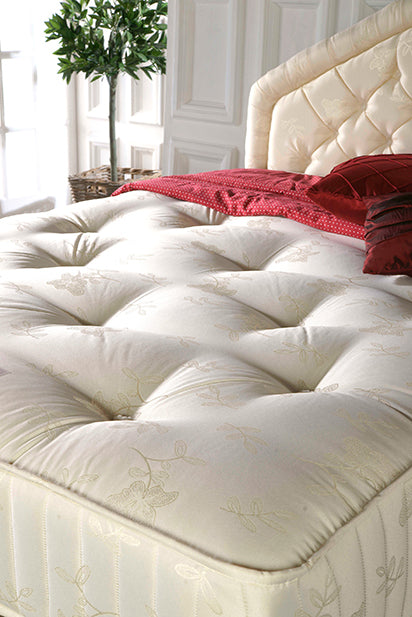
Luxury Gold Mattress
Refined finishing with a cushioned comfort layer for a softly supportive, hotel-style surface feel.
View Details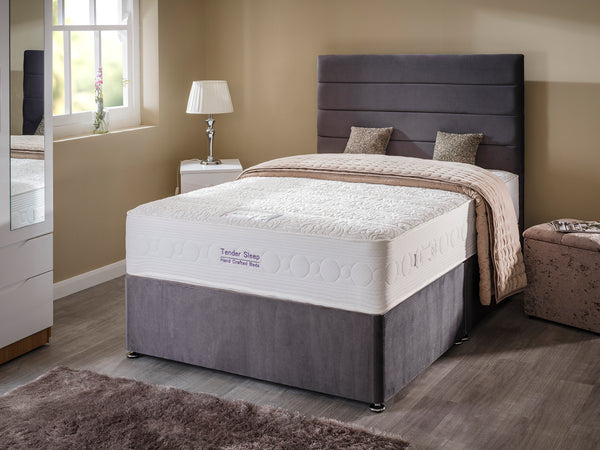
Diamond LayTech 1000 Pocket Mattress
A pocket-sprung core with a latex-like top feel for responsive comfort and ease of movement.
View Details
Crystal Mattress
A straightforward, comfort-first build with tidy finishing for everyday guest-room or first-home use.
View DetailsMaterials and builds: choosing value like a fabric connoisseur
Just as you’d weigh wool vs. linen in a suit, weigh your core and comfort layers—each has a distinct “hand” (feel), performance profile, and care requirement. Use the guides linked below to compare real-world examples before you buy.
- Pocket-sprung hybrids: Balanced support and airflow; often a sweet spot for couples thanks to motion isolation and edge support. See Best Pocket Sprung Mattresses for Couples.
- Memory foam/gel foam: Deep contouring and pressure relief, with gel or breathable designs helping regulate temperature. Explore Affordable Memory Foam under £500 and Best Foam Mattresses by Sleep Style.
- Latex and latex-like foams: Buoyant, responsive feel and natural breathability. For a deeper dive, read Luxury Latex Mattresses for Better Sleep.
- Open-coil innerspring: Budget-friendly and supportive but typically less conforming than pocket springs. If you’re heavier or prefer a firmer feel, compare builds in Durable Innerspring Mattresses for Heavy Individuals.
How to match firmness and feel to sleep style
- Side sleepers: Prioritise pressure relief at shoulders/hips; a forgiving comfort layer helps. See Top 5 Mattresses for Side Sleepers.
- Back sleepers: Aim for balanced support that preserves a neutral spine; not too soft under the lumbar region.
- Stomach sleepers: Preserve hip alignment with firmer cores and thinner comfort layers to prevent sway-back posture.
- Couples: Consider motion isolation and edge support so both can use the full width and sleep undisturbed. Start with Memory Foam Picks for Couples and Pocket-Sprung Picks for Couples.
Body type matters: lighter sleepers may prefer slightly softer comfort layers for pressure relief, while heavier sleepers often benefit from firmer cores and stronger edge support.
Construction details that signal craftsmanship
“Italian craftsmanship” in mattress form looks like precision: uniform tufting, symmetrical quilting patterns, straight sidewalls, tidy tape-edges, and a balanced loft across the surface. Lift a corner—quality builds feel coherent and structurally sound, not floppy or lumpy. Press the top panel—transitions between layers should feel consistent, not abrupt.
Buying confidently online: policies and delivery
- Check return/trial windows—particularly for foam or hybrids with a break-in period. Keep the protective bag until you’re sure.
- Warranty specifics—what’s covered (impressions, defects), how claims are evaluated, and any pro-rata terms.
- Delivery and room setup—weight and handling matters in flats and small stairwells; boxed mattresses are easier to manoeuvre.
- Base compatibility—slatted bases should have slats that are evenly spaced and in good condition; divans should be supportive and level.
For broader selection help and comparisons, start at the Mattress Land News hub.
Comfort-layer choices: how they change feel
The top few centimetres drive first contact and pressure relief. If you’re comparing foams, natural fibres, or zones in the top quilt, this breakdown will help:
- Memory foam: High contour and slow response; good for pressure spots.
- Gel-infused foam: Similar contour but engineered for cooler sleeping.
- Latex/latex-like foams: Faster response and bouncier feel; naturally breathable.
- Natural fibres: Cashmere, cotton, or wool blends add breathability and a refined hand feel.
- Zoned comfort: Firmer under hips, softer under shoulders—useful for alignment.
For a side-by-side of comfort materials, read Choosing the Right Comfort Layer for Your Mattress.
Simple in-store tests that reveal value
- Edge roll test: Lie near the edge; if the perimeter folds, usable width is reduced.
- Hand press gradient: Press in a straight line across the surface; feel for abrupt “layer cliffs” or hollow zones.
- Shoulder sink test (side sleepers): Your shoulder should nestle without pressing the ribcage upward uncomfortably.
- Hip float test (back/stomach): Hips should float in line with the spine; not sinking deeper than shoulders.
At-home evaluation during your trial
- Night 1–3: Note initial firmness and odour; allow adequate airing.
- Night 4–10: Re-check pressure points, heat, and partner disturbance.
- Night 11–30: Track morning back/shoulder feel; consistent stiffness indicates a mismatch.
If you plan to keep it, rotate the mattress every 1–3 months during the first year to help it wear in evenly (follow brand guidance).
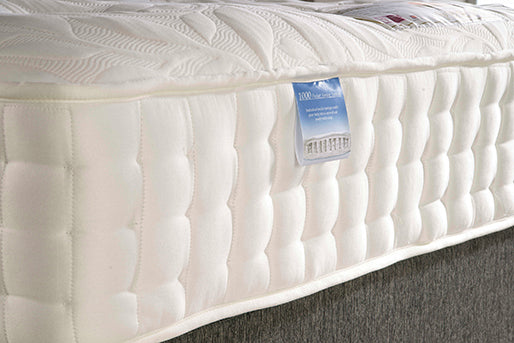
Real-world examples featured in our guides
The selections below illustrate common build approaches you’ll encounter when shopping online. Click to read the related articles for context, comparisons, and use-case guidance.

Downloadable-style checklist (save or print)
- Support core: pocket springs or high-density foam
- Comfort layer: adequate thickness for your sleep style
- Edge support: sit/roll test passes
- Motion isolation: limited partner disturbance
- Thermal comfort: no excessive heat build-up
- Cover: breathable, even quilting, tidy seams
- Certifications: BS7177, plus CertiPUR/CertiPUR-US and OEKO-TEX where applicable
- Transparent warranty/returns
- Base compatibility confirmed; mattress depth suits your bedding and bed frame
- No strong chemical odours; clear material specs
Keep researching with these internal resources
- Best Foam Mattresses for All Sleep Styles
- Top 5 Affordable Memory Foam Mattresses Under £500
- How to Choose the Right Mattress for Better Sleep
- Luxury Latex Mattresses for Better Sleep
- Durable Innerspring Mattresses for Heavy Individuals
Final word: buy the “tailored” fit for your budget
In budget shopping, value isn’t about the lowest price—it’s about construction, materials, and finishing that match your needs. Prioritise the support core and comfort layer, insist on basic certifications, and test the edges and heat response. With the framework above—and the curated guides linked throughout—you’ll find a mattress that wears well over time, just like a quality suit crafted with care.