

Budget mattress buying guide £200, £500, £1000 comparison UK: craftsmanship-first picks that maximise value
Choosing a mattress on a budget shouldn’t mean compromising on craftsmanship. Think of it like a luxury suit: the best value comes from precise tailoring, resilient fabrics, and quality construction. In mattresses, that translates to the right spring system, foam density, quilting, and finishing—matched to how you sleep and how long you want it to last. This buying guide breaks down what you typically get at three key UK price tiers (£200, £500, £1000+), what you don’t get, who each tier suits, and the smartest Mattress Land picks to consider—spotlighting materials and build quality the way an Italian atelier would. Use the quick calculator to find your natural tier, then compare features to refine your choice.
Key takeaways
- Price tiers:
- £200 tier: open-coil builds, essential comfort layers, value-first finishing
- £500 tier: pocket springs (often 1000 count) or memory foam hybrids, improved edge support and pressure relief
- £1000+ tier: high spring counts (2000–3000), natural materials (silk, wool, organic cotton, cashmere), dual-sided finishing
- What to prioritise:
- Support system: open coil (budget), pocket springs (better motion control), or hybrid with gel/memory foam
- Cover and quilting quality: damask and breathable tops help long-term comfort
- Edge support and airflow if you sleep hot or share a bed
- Craftsmanship indicators:
- Spring gauge and count listed (e.g., 13.5G open coil; 1000/2000/3000 pocket springs)
- Natural fibres (silk, wool, cashmere, organic cotton) and clear material callouts
- Neat tufting and tidy finishing—like hand-stitching on a well-made suit
- Shopping insight:
- UK buyers increasingly value hybrids for balanced comfort and support, with most shoppers now purchasing online
- Most mattresses are reassessed around the seven-year mark; many are kept beyond recommended lifespans
- Useful links:
Save when vs. splurge when
Think about who will use the bed, how often, and what you value most (temperature, motion control, or longevity). That helps you decide where to economise and where to invest.
Save when…
- You need a spare-room mattress or a temporary solution
- Your sleeper is a child, teen, or guest with lighter body weight
- You want essential support on the lowest budget, and motion isolation isn’t critical
Splurge when…
- You’re a couple needing motion control and consistent edge-to-edge support
- You sleep hot and benefit from breathable natural fibres or cooling foams
- You want premium craftsmanship and materials to extend usable lifespan
Quick budget-fit calculator
Enter your mattress budget and see a suggested tier and what build quality you’ll likely get. If you want a deeper breakdown of costs vs. features, try the Mattress Budget Calculator.
Tier-by-tier comparison (features you’ll typically see)
| Tier | What you get | Trade-offs | Best for | Lifespan notes |
|---|---|---|---|---|
| £200 | Open-coil support (e.g., 13.5G), damask covers, essential cushioning | More motion transfer, simpler edge support, lighter comfort layers | Kids, teens, guest rooms, short-term use | Budget builds suit shorter replacement cycles; plan regular rotation |
| £500 | Pocket springs (often ~1000), memory/gel foam layers, improved edge support and pressure relief | Not as airy as natural-fibre luxury; mid-tier quilting | Primary beds for singles or couples, back/side sleepers needing balanced comfort | Many shoppers replace around the seven-year mark; hybrids remain popular for value over time |
| £1000+ | 2000–3000 pocket springs, dual-sided finishing, silk/wool, organic cotton, cashmere blends | Higher upfront cost; heavier to rotate | Couples, hot sleepers, and those seeking premium, long-term refinement | Premium materials can help preserve feel longer with proper care and rotation |
As you read the tier breakdowns below, keep your own priorities in mind: motion control for couples, cooling for hot sleepers, and consistent support if you’re waking with aches. If you’re unsure where to start, our how to choose the right mattress guide and best sellers are a helpful next step.
£200 tier: essential support with tidy finishing
This is the “everyday suit” tier—straightforward construction, honest materials, and good tailoring where it matters. Expect open-coil support and durable damask covers. You won’t get advanced cooling or heavy motion isolation, but you will get dependable basics, especially for lighter sleepers and spare rooms.
- What you get: open-coil support (often around 13.5 gauge), damask cover, practical comfort layers
- What you don’t get: high spring counts, advanced cooling foams, luxury natural fibres, or reinforced edges found in upper tiers
- Ideal for: children’s rooms, guest beds, student lets, and short-term setups where value and simplicity win
- Value over time: rotate regularly and protect with a breathable cover to keep comfort consistent
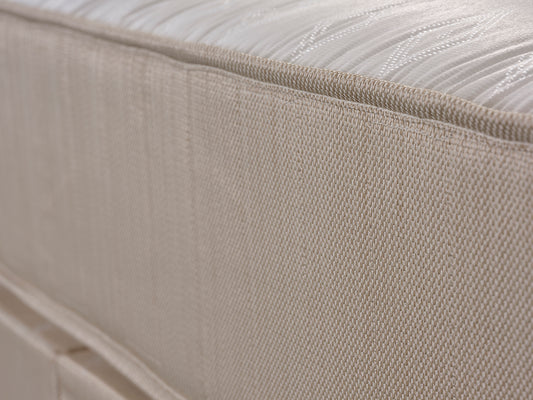
Candy Open Coil Spring Mattress
See current price
Brand: Not specified
Material: Open coil core, damask cover
- Open-coil support with a practical, easy-care damask top
- Honest, lightweight comfort ideal for guest use and occasional sleepers
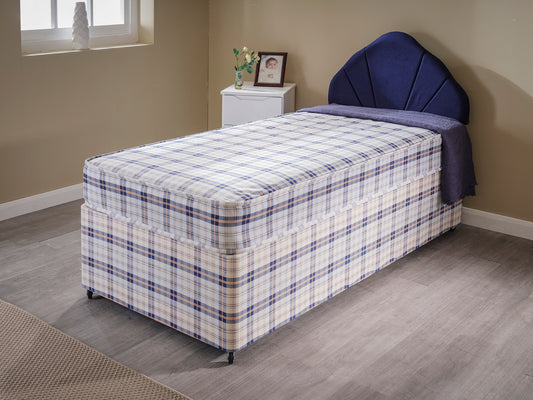
Open Coil Economy Mattress
See current price
Brand: Not specified
Material: Open coil with 13.5 gauge spring support
- 13.5G spring unit delivers essential, even support
- Value-first build suited to children, teens, and short-term setups
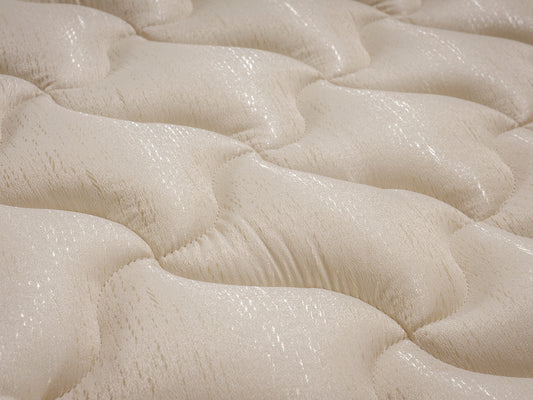
Crystal Open Coil Spring Mattress
See current price
Brand: Not specified
Material: Open coil core, damask fabric
- Designed for straightforward back support and basic alignment
- Damask finish keeps the surface tidy and breathable
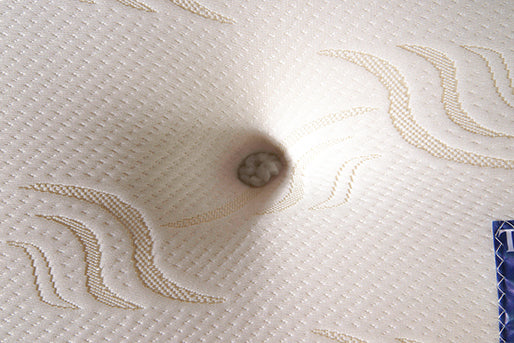
Memory Sprung Open Coil Mattress
See current price
Brand: Tender Sleep
Material: Open coil core with memory foam comfort layer
- Balanced feel: resilient coil support with a touch of contour from memory foam
- Good entry point for side sleepers who still prefer a supportive core
£500 tier: pocket-sprung and hybrid comfort—value like a perfectly tailored jacket
Here’s where craftsmanship steps up: pocket-sprung cores (often around 1000 springs) that adapt to your body and reduce partner disturbance, plus memory or gel foams for targeted pressure relief. Like a well-structured Italian blazer, these mattresses blend resilience with comfort, making them ideal for main bedrooms and couples.
- What you get: pocket springs or hybrid builds, improved edge-to-edge stability, better contouring
- What you don’t get: the high spring counts and organic fibre stacks of the luxury tier
- Ideal for: back and side sleepers, couples, and value seekers prioritising long-term comfort
- Value over time: online research suggests many customers now prefer hybrids for balanced support, often buying during sale periods
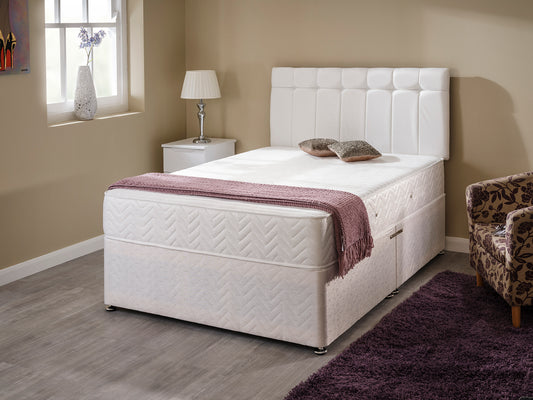
Memory Comfort Mattress
See current price
Brand: Tender Sleep
Material: Multi-zone memory (visco) foam with cool touch fabric
- Adaptive, multi-zone pressure relief for shoulders and hips
- 8-inch base with a breathable cool-touch top for a fresher surface feel
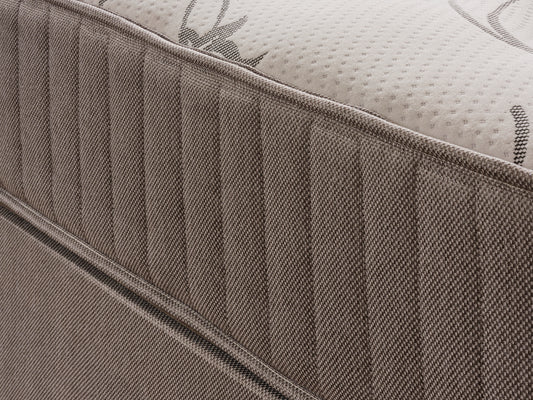
Lyon Memory Foam Mattress (Orthopedic Support)
See current price
Brand: Tender Sleep
Material: Memory foam with orthopaedic spring system
- Orthopaedic-leaning feel for firmer alignment and lumbar stability
- Firmness around 6/10 suits back sleepers and combination sleepers
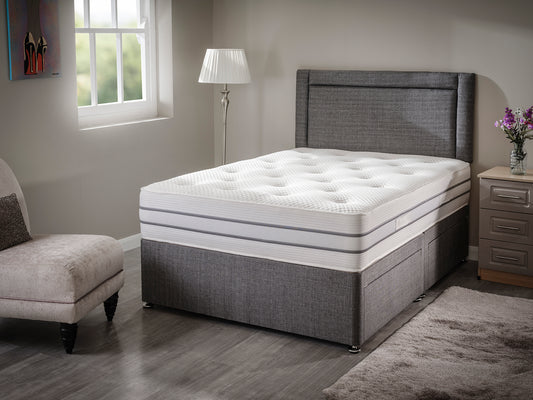
Emerald Firm Mattress (1000 Pocket Springs)
See current price
Brand: Tender Sleep
Material: 1000 pocket springs with 3D border
- Edge-to-edge stability that helps couples use the full sleep surface
- Firmer, more stable feel for back support and consistent alignment
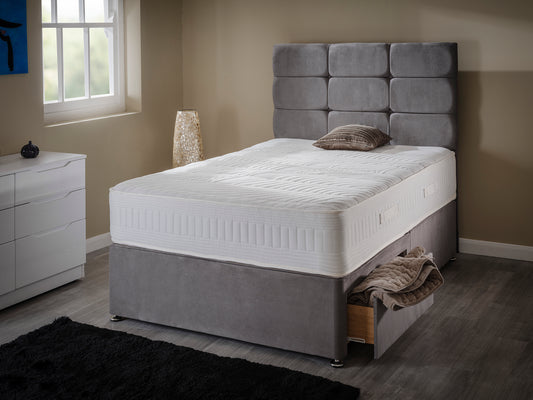
Diamond Laytech Cooling Gel Foam (1000 Pocket)
See current price
Brand: Tender Sleep
Material: Cooling gel foam over 1000 pocket springs
- Hybrid feel: pressure-relieving top with a responsive, supportive core
- Temperature-minded comfort for sleepers who run warm
£1000+ tier: premium craftsmanship—natural fibres and high spring counts
This is the luxury suit of sleep: higher spring counts for precision support, premium natural fibres for breathability, and refined finishing (often double-sided). Expect a more composed, durable feel and elegant materials like silk, wool, organic cotton, or cashmere—selected the way a tailor chooses cloth.
- What you get: 2000–3000 pocket springs, breathable natural fibres, dual-sided builds in some models
- What you don’t get: a low price tag—these are investments in stability and comfort
- Ideal for: couples sensitive to motion, hot sleepers, and buyers wanting artisan-like detailing
- Value over time: premium materials and structured builds help the feel remain consistent with regular rotation
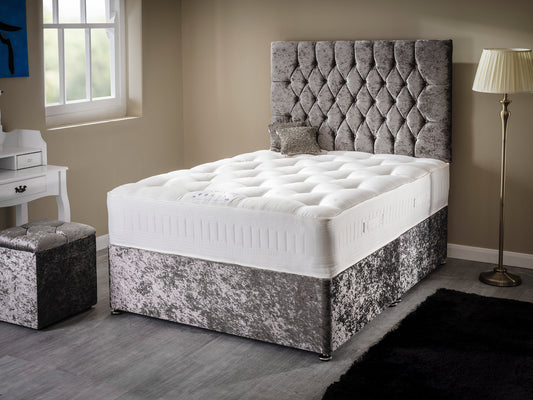
Onyx 3000 Pocket Spring Mattress
See current price
Brand: Tender Sleep
Material: 3000 pocket springs, double-sided silk and wool
- Breathable natural-fibre comfort with a refined, stable core
- Dual-sided construction to refresh surface feel and extend life
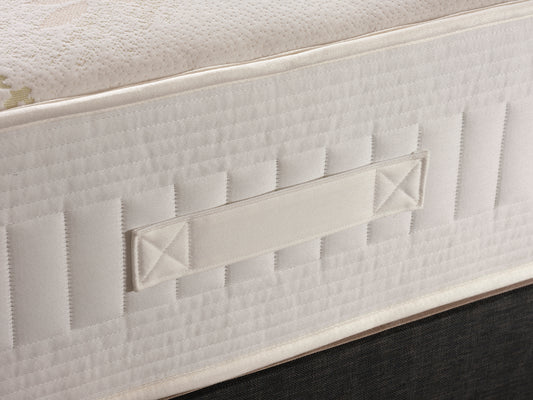
Organic Cotton Mattress (2000 Pocket + Memory Foam)
See current price
Brand: Tender Sleep
Material: Organic cotton cover, 2000 pocket springs, memory foam
- Eco-minded cover with supportive spring core and contouring foam
- Firm, supportive feel many back sleepers prefer
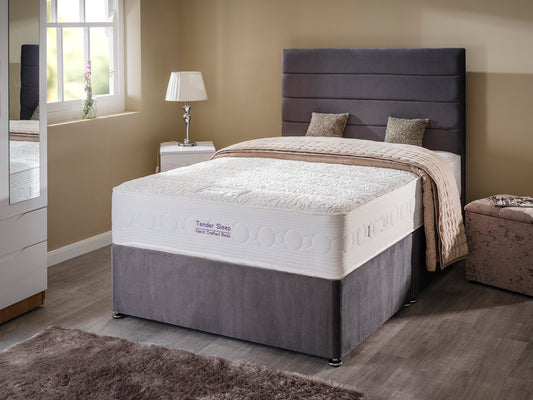
Diamond Laytech 2000 Pocket Spring Mattress
See current price
Brand: Not specified
Material: 2000 pocket springs with premium foam/white latex
- High spring count for precision support across the full surface
- Premium foam/latex comfort for a buoyant yet supportive feel

Luxury Cashmere Pocket Spring Mattress
See current price
Brand: Not specified
Material: Cashmere comfort with pocket spring core
- Cashmere-enhanced comfort for a drier, more breathable sleep surface
- Supportive design that suits back sleepers and couples wanting stability
Who each tier suits (life situations)
- £200 tier: first homes, student rentals, children’s rooms, guest beds, or when you need a reliable stopgap that focuses on fundamentals
- £500 tier: main bedroom upgrades, couples wanting better motion control, sleepers needing improved pressure relief, or buyers planning 5–7 years of primary use
- £1000+ tier: long-term investment, premium comfort enthusiasts, hot sleepers who want breathable natural fibres, and couples seeking stable edge-to-edge support and refined finishing
Support, firmness, and sleep position
Your body type and sleeping style should guide firmness choice as much as budget. For a deeper dive, see How to choose the right mattress. Couples worried about motion transfer can also browse best pocket sprung mattresses for couples.
- Back sleepers: look for balanced or slightly firm support (pocket or hybrid builds do well)
- Side sleepers: benefit from pressure-relieving tops (memory or gel foams over springs)
- Front sleepers: often prefer firmer cores to keep hips aligned
- Lighter bodies: can choose slightly softer tops for comfort without losing support
- Heavier bodies: often prefer pocket springs with firmer tuning and denser comfort layers
Craftsmanship focus: materials and finishing
Quality materials behave like fine suit fabrics: they drape, breathe, and rebound better over time. In mattresses, that means:
- Damask cover and tufting keep comfort layers neat and supportive
- Pocket springs provide tailored response; higher counts increase precision and reduce partner disturbance
- Natural fibres (silk, wool, organic cotton, cashmere) improve temperature regulation and comfort refinement
- Foam technologies (memory/gel) ease pressure on shoulders and hips
For organic options that balance budget and family needs, explore affordable organic cotton mattresses. If foam comfort is your priority, see luxury foam picks.
Certifications, safety, and allergy notes
- Foam safety: look for foams tested to standards such as CertiPUR or OEKO-TEX where noted
- Fire safety: UK mattresses should meet BS 7177 flammability requirements—check labels
- Allergies: hypoallergenic covers and natural fibre blends can help with breathability; always use a washable protector
Base compatibility and sizing
- Base type: most mattresses work on platform divans or slatted frames; ensure slats are secure with sensible spacing and a supportive centre rail on larger sizes
- Room fit: measure doorways, stairs, and turning angles before delivery
- UK sizes: double-check dimensions (e.g., UK double vs. king) before ordering
Expected lifespan and value
Most mattresses are reassessed around the seven-year mark; many households keep them longer than recommended. Budget builds tend to be lighter and may require earlier replacement with heavy daily use. Premium builds with higher spring counts and natural fibres are engineered for a more consistent feel over time—especially if rotated regularly and protected with a breathable cover. For a personalised spend plan, try the Mattress Budget Calculator.
Care and setup tips
- Rotate: turn head-to-foot every 2–3 months (flip only if the mattress is double-sided)
- Protect: use a breathable, washable protector to guard against spills and dust
- Airflow: let the mattress breathe after unwrapping; keep bedrooms ventilated to reduce humidity buildup
- Edge use: consistent edge sitting can compress borders over time; vary where you sit
More ways to shop smart
- Curated picks: Best Sellers
- Value drops: Sale
- Browse everything: All
Summary: tailor your choice like a fine suit
Pick the tier that matches your life stage and usage, then evaluate construction like a tailor would: spring system, foam or natural layers, finishing, and breathability. Whether you’re outfitting a guest room under £200, upgrading to hybrid comfort around £500, or investing in a natural-fibre, high-spring-count build at £1000+, you’ll feel the difference of quality materials and thoughtful construction every night. If you need a hand narrowing options, start with our mattress choosing guide and compare pocket-sprung choices in the Pocket collection.