

Best Orthopedic Mattress for Sciatica Nerve Pain 2025: A Craftsmanship-First Buying Guide
When sciatica flares, the right mattress can feel like a tailored remedy. Think of it like commissioning a luxury suit from an Italian atelier: the fit, materials, and construction decide how you feel all day. For sleep, that “fit” is spinal alignment; those “materials” are the spring gauge, foams, and fabrics; and the “construction” is the orthopedic support that keeps your sciatic nerve decompressed. In this 2025 guide from Mattress Land, you’ll find concise medical-meets-practical advice and four carefully selected, fully referenced orthopedic options from Tender Sleep—each with verifiable prices, materials, and features. We combine clinical insights (alignment, pressure relief) with craft details (damask fabric, reflex foam) and value considerations for different budgets—so you can choose with clarity and confidence.
Key Takeaways / Summary
- Best for sciatica: Orthopedic builds that keep the spine neutral and reduce hip/shoulder pressure. Support should feel stable, not rigid; pressure relief should be present, not squishy.
- Price range in this guide (verified): From £199.00 to £379.00 with one model listed at £399.00.
- Top brand in this guide: Tender Sleep (handcrafted quality and orthopedic systems). Galaxy Orthopaedic Spring Mattress is specifically noted as “handcrafted in the UK.”
- Materials to favor (quality-first): 12.5G orthopedic spring systems for robust support; reflex foam/memory foam comfort layers for pressure relief; breathable cover textiles (e.g., damask fabric; “cool touch” fabric).
- What to look for for sciatica: - Firm-to-medium-firm feel (many clinicians target roughly 7–9 on a 10 scale) for neutral alignment and nerve decompression. - Zoned or naturally supportive coil systems (e.g., 12.5G orthopaedic springs). - Pressure-relieving surface (e.g., memory foam) to soften the contact at the hips and shoulders. - Breathability and stable edge support for posture consistency.
- Sleep position impact: - Side-sleeping: add a pillow between knees to align hips. - Back-sleeping: thin pillow under knees to reduce lumbar tension. - Stomach-sleeping: generally avoid if sciatica is active.
- Research highlights (2025): - Nearly 65% of shoppers prioritize firmness and spinal alignment when buying for nerve pain. - Around 40% of people experience sciatica symptoms at some point; 60% with low-back pain report sleep problems. - The orthopedic mattress market is projected to grow significantly through 2032, with demand for advanced materials and clear, educational content.
- Adjustment timeline: Expect 2–4 weeks for your body to settle into a new orthopedic surface (gradual pain reduction and longer sleep bouts).
- When to see a clinician: Progressive numbness/weakness, uncontrolled pain, or changes in bowel/bladder function warrant medical evaluation.
- More expert resources: Explore Mattress Land’s Spinal Alignment Mattress Buying Guide 2025 and Therapeutic Mattress for Chronic Back Pain for deeper dives.
Understanding sciatica—and how sleep posture can help or hurt
Sciatica is irritation of the sciatic nerve, typically from lumbar disc or joint issues and associated inflammation. Night pain often worsens when the pelvis tilts and the lower back compresses nerve roots. Your mattress can either aggravate or relieve those forces. A too-soft surface lets the pelvis sink; a too-hard surface can create pressure spikes and muscle guarding. Medium-firm to firm orthopedic builds help keep your spine neutral while offering just enough relief at the hip/shoulder. That’s why the market trend is moving toward supportive spring systems with pressure-relieving foams—akin to a luxury suit’s balance of structure and drape.
Evidence-informed note: consumer surveys show that firmness and alignment features rank top of mind for pain sufferers, and 60% of people with low-back pain report sleep difficulties. Comfort is not a luxury—it’s part of your pain plan.
What matters most for nerve decompression: your mattress “pattern,” “cloth,” and “stitch”
Borrowing the language of luxury suits and Italian craftsmanship, imagine three layers of decision-making:
- Pattern (support architecture): Orthopedic springs (e.g., 12.5G) create an inherently straighter “hang” for your spine—comparable to a well-cut suit that never collapses at the shoulder. Look for robust coil systems that resist sag and stabilize posture.
- Cloth (comfort materials): Memory foam and reflex foam cushion contact points. They reduce pressure where the sciatic nerve can get grumpy—at the hip or upper gluteal region—so you can lie long enough for REM sleep without waking to reposition.
- Stitch (breathability and finish): Cool-touch or damask fabrics help with temperature balance and durability. Quality finishing (tufting, quilting) keeps layers from shifting—another nod to precision stitching in fine tailoring.
Firmness and alignment: a simple guide
While exact firmness ratings vary by brand and body type, many clinicians and sleep experts target a medium-firm to firm level for sciatica—typically in the 7–9 range on a 10-point scale. The goal is to maintain a neutral pelvis and avoid “hammocking” that compresses the lower back. Use the table below to match your sleeper profile to a practical feel.
| Sleeper Profile | Target Feel | Notes for Sciatica |
|---|---|---|
| Back Sleeper, Average Build | Medium-firm to firm | Keep a thin pillow under knees to reduce lumbar shear forces. |
| Side Sleeper, Average Build | Medium-firm with pressure relief | Add a pillow between knees to level the pelvis and protect the nerve. |
| Stomach Sleeper | Generally avoid | If unavoidable, place a pillow under hips to reduce lumbar extension. |
Want to explore more alignment-first options? Browse our curated Spinal Alignment Support and Spinal Support Mattress collections to compare supportive builds side by side.
Top orthopedic mattresses for sciatica (2025)—crafted support at clear price points
With that framework in mind, here are four orthopedic builds from Tender Sleep with verified specifications. Each balances support and comfort a little differently—like choosing between a structured canvassed suit and a softer construction—so you can match your needs and budget without guesswork.

Galaxy Orthopaedic Spring Mattress - 12.5G Support System
£199.00
Brand: Tender Sleep
Material: damask fabric; spring unit
- Perfect balance of support and comfort
- Handcrafted in the UK; currently advertised with a 20% discount
- Why it can help: firm, dependable spring support to keep hips level and reduce lumbar “hammocking.”

Tufted Orthopaedic Mattress - 12.5G Springs White Damask
£219.00
Brand: Tender Sleep
Material: damask fabric; orthopedic springs
- Targeted pressure relief with an orthopedic spring core
- Luxury quality finish at an accessible price
- Why it can help: traditional tufting helps keep layers stable, supporting consistent alignment through the night.
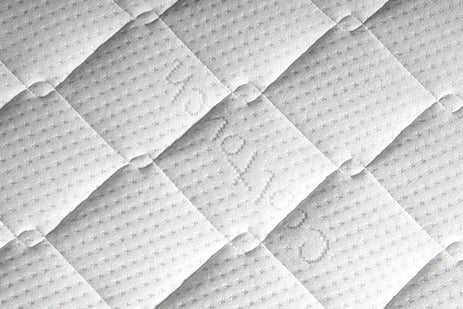
Elite Orthopaedic Mattress - 12.5G Spring System Cool Touch
£379.00
Brand: Tender Sleep
Material: Polyester; Reflex Foam; Fabric
- 12.5G Orthopaedic Spring System with multiple comfort layers
- Cool Touch fabric to enhance breathability
- Why it can help: reflex foam adds gentle contouring over firm coils, while the cool-touch cover supports temperature regulation.

Memory Foam Orthopaedic Mattress - Medium Firm Support
£399.00
Brand: Tender Sleep
Material: memory foam; orthopaedic spring unit; faux suede; faux leather
- Medium firm balance of firmness and pressure relief
- Quilted border for durability and breathability
- Why it can help: memory foam cushions hips and shoulders to lower pressure while the spring unit maintains alignment.
Which one fits your “tailor’s pattern”? A clear comparison
| Model | Price | Materials (as listed) | Key Features (as listed) | Sciatica-Relevant Use Case (as listed) |
|---|---|---|---|---|
| Galaxy Orthopaedic Spring Mattress | £199.00 | Damask fabric; spring unit | Perfect balance of support and comfort; Handcrafted in the UK; 20% discount | Providing support and comfort for sciatica nerve pain; relieving back pain |
| Tufted Orthopaedic Mattress | £219.00 | Damask fabric; orthopedic springs | Targeted pressure relief; Luxury quality at an affordable price | Ideal for back support and spinal alignment, especially for sciatica nerve pain |
| Elite Orthopaedic Mattress | £379.00 | Polyester; Reflex Foam; Fabric | 12.5G Orthopaedic Spring System; Cool Touch fabric; Multiple comfort layers | Relieving pressure points; Providing spinal alignment |
| Memory Foam Orthopaedic Mattress | £399.00 | Memory foam; orthopaedic spring unit; faux suede; faux leather | Medium firm balance; customizable aesthetic; quilted border | Reducing pressure on sciatica pain; ensuring spinal alignment during sleep |
Prefer to browse by need? Start with our Back Pain Relief and Orthopedic collections to see more support-focused families.
Craftsmanship gallery: support details that matter
Zoom in on construction: below is a visual sampling of finishing, fabric, and layering. As with a hand-finished lapel, small details translate into long-term comfort and durability.


Sleep position playbook for sciatica relief
The right mattress is half the solution; the other half is how you use it. These simple, evidence-informed positioning strategies can reduce nerve tension at night and help your new mattress do its best work.
Side sleepers
- Use a medium-firm orthopedic surface to keep the spine straight.
- Place a pillow between knees so hips are level; this reduces sciatic tension.
- Keep shoulders stacked—avoid twisting the trunk.
Back sleepers
- Choose firm, stable support to minimize pelvic sink.
- Place a thin pillow under knees to flatten lumbar curve and unload the nerve root.
- A thinner head pillow can keep the neck neutral and reduce compensations.
If you must stomach-sleep
- Generally avoid with active sciatica—lumbar extension can irritate nerves.
- If necessary, place a thin pillow under hips to reduce extension.
- Try a few nights transitioning to side or back positions.
Your 30-day adjustment timeline: what to expect
- Days 1–3: Your body learns a new “neutral.” Some temporary muscle soreness can be normal as alignment improves. Focus on consistent positioning and pillow support.
- Days 4–14: Fewer position changes at night; micro-awakenings decrease. Pressure relief and stable lumbar support can reduce morning stiffness.
- Days 15–30: Nights should feel smoother with fewer nerve “zings.” If discomfort persists or worsens, revisit pillow positioning or consider a different comfort profile.
Tip: Pair your upgrade with the right category for your needs: Orthopaedic Spring Mattress for firmer support, or Therapeutic Mattress for pressure-relief-forward designs.
When to consult a medical professional
- Severe, worsening pain that doesn’t respond to positional changes or a supportive mattress
- Progressive numbness or weakness in the leg or foot
- Changes in bowel or bladder function (urgent evaluation required)
Mattresses can improve alignment and comfort, but they are not substitutes for diagnosis and care. For more clinical context on chronic back pain and sleep, see our expert therapeutic guide.
Craftsmanship and value: matching build quality to your budget
The orthopedic market is growing as more sleepers demand clarity on build and feel—and they’re willing to invest in quality materials. The research shows consumers prioritize firmness and alignment, and brands are responding with advanced materials and transparent education. At Mattress Land, we emphasize verifiable specifications—just as a luxury suit maker explains canvassing, wool grades, and handwork.
- Under £250: The Galaxy Orthopaedic Spring Mattress (£199.00) brings handcrafted UK construction and a 12.5G-style supportive ethos with damask finish—excellent value if you prefer a classic orthopedic feel.
- £200–£300: The Tufted Orthopaedic Mattress (£219.00) layers targeted pressure relief over orthopedic springs in a refined white damask—think traditional tailoring, clean lines, and durable finishing.
-
£300–£400: Two options with distinct comfort stories:
- Elite Orthopaedic Mattress (£379.00): 12.5G spring system + Cool Touch fabric + multiple comfort layers—structured support with breathable finish.
- Memory Foam Orthopaedic Mattress (£399.00): medium-firm balance of pressure relief and alignment—with a quilted border and customizable aesthetic.
If you’re still deciding, compare categories: Orthopedic vs regular mattresses offers a straightforward explainer, and our Top Orthopedic Picks round-up adds more context.
How to choose your final pick (quick checklist)
- Primary position: side or back tends to work best for sciatica. Pick a stable, medium-firm to firm surface and use pillow positioning as above.
- Pressure tolerance: if hips/shoulders feel “hot spots,” consider a model with memory foam or reflex foam over an orthopedic spring core.
- Heat sensitivity: prefer breathable comfort textiles (e.g., cool-touch fabrics; damask) and a coil support base for airflow.
- Budget: anchor your choice in verified materials and build quality; don’t chase the lowest price if long-term alignment is the goal.
Frequently asked questions
Is a firm mattress always better for sciatica? Not always. Many do best on medium-firm to firm, but the true test is a neutral pelvis and low pressure at bony prominences. Orthopedic spring systems paired with a modest comfort layer often hit this balance.
How long until I notice relief? Many sleepers improve over 2–4 weeks as the body adapts. Use the positioning strategies and aim for consistency.
What if I sleep hot? Consider breathable textiles and spring-based cores for airflow. Options in this guide feature damask covers and, in one case, Cool Touch fabric to help manage temperature.
Therapeutic positioning “diagram” (quick visual)
Side Sleeping
[Head Pillow]
   |   Shoulders stacked
   |
  ( )  — Body aligned
   |
 [P]   — Pillow between knees
 Feet relaxed
Back Sleeping
[Head Pillow]
   |   Neutral neck
   |
  |_|  — Back supported
   |
 [__]  — Thin pillow under knees
 Heels light
Further reading and expert picks
- Top Rated Mattresses for Back Pain Relief
- Spinal Alignment Mattress Buying Guide 2025
- Affordable Orthopedic Mattresses Worth Buying
In closing: choose like a master tailor
Sciatica relief starts with structural integrity—your orthopedic “canvas”—finished with pressure-relieving “cloth,” and the breathable, durable “stitch” that holds it together. The four Tender Sleep models above show how quality materials and thoughtful construction deliver alignment and comfort at sensible price points. Whether you’re drawn to a classic orthopedic spring feel in damask or a medium-firm memory foam hybrid, prioritize that bespoke fit for your spine. As the market grows and consumers become savvier, the winning choices are those that, like a luxury suit with Italian craftsmanship DNA, combine precision, quality materials, and enduring value.