

Best Natural Latex & Organic Mattresses UK 2025: Craftsmanship, Quality Materials, Real Value
Choosing an organic or natural-latex mattress should feel like commissioning a luxury suit: tailored to your sleep, crafted with care, and made from quality materials you can trust. In the UK’s growing sustainable sleep market, the smartest buys blend artisan-like construction (think the discipline of Italian craftsmanship), verified organic fabrics, and resilient latex or latex-like comfort layers. This guide focuses on practical buying advice, certification clarity, and a curated shortlist of relevant mattresses available now—so you can invest with confidence in 2025.
Key Takeaways / Summary
- Price ranges in this guide: approximately £509–£609 across the featured products.
- Top focus areas: verified organic textiles (GOTS), certified latex (GOLS), and low-VOC design to reduce indoor chemical exposure.
- What to look for:
- Certifications that matter: GOLS (latex), GOTS (cotton). Independent research shows 95% of shoppers value third-party labels—critical for avoiding greenwashing.
- Construction quality: pocket springs for motion control and spinal alignment; latex or latex-like comfort layers for pressure relief.
- Materials transparency: exact layer names and content. Look for clear mention of organic cotton, natural latex, or latex-alternative foams.
- Comfort and health: independent testing consistently rates quality latex and latex-hybrid builds highly for pressure relief and support (around the upper range on 10-point scales in third-party tests), a strong choice for back care.
- Who it suits: eco-conscious families, allergy-sensitive buyers, expectant parents, and wellness-minded professionals upgrading to cleaner materials.
- Value angle: assess cost-per-year and durability. Latex and pocket-spring designs can feel “tailored” over time—like a well-made suit—because they resist sagging and support alignment.
- Alternatives if you’re latex-sensitive: organic cotton builds and latex-alternative foams can deliver a similar buoyant feel without latex.
What Makes a Mattress Truly Organic? Certification Decoder
“Organic” is more than a label. Authenticity starts with third-party standards and traceable materials:
- GOLS (Global Organic Latex Standard): certifies organic latex content. Look for this if you specifically want certified organic latex.
- GOTS (Global Organic Textile Standard): certifies organic fibres, such as cotton fabrics and quilting layers.
- Non-toxicity and VOCs: the aim is to minimise indoor emissions. Organic textiles and natural latex typically help lower exposure to common household chemicals.
Note: latex and latex-alternative foams can feel similar, but they are different materials. If a product highlights “latex-like” comfort, that usually means a responsive foam engineered to mimic natural latex rather than certified organic latex itself.
Why it matters: research indicates consumers increasingly prioritise sustainability and verified non-toxicity, with 95% saying certifications like GOTS/GOLS influence their choice. For a deeper checklist approach, see Eco-friendly mattress buying tips.
The UK 2025 Landscape: Quality Materials, Real Craftsmanship
The UK mattress market is projected to reach roughly USD 1.41B in 2025, growing steadily through 2030. That’s good news for buyers: more choice across budgets and more brands focusing on organic textiles and natural or latex-like comfort systems. The hallmark of a wise upgrade is craftsmanship—careful stitching, well-balanced spring systems, and breathable natural textiles—akin to the precision you’d expect from Italian craftsmanship, but applied to sleep engineering.
Top Natural Latex & Organic Mattress Picks (UK 2025)
Below are relevant, currently listed options featuring latex, latex-like comfort systems, or certified organic textiles. We’ve grouped them by price to make budgeting simpler. If you prefer a responsive, buoyant surface with strong support and motion control, these hybrids are a practical place to start.

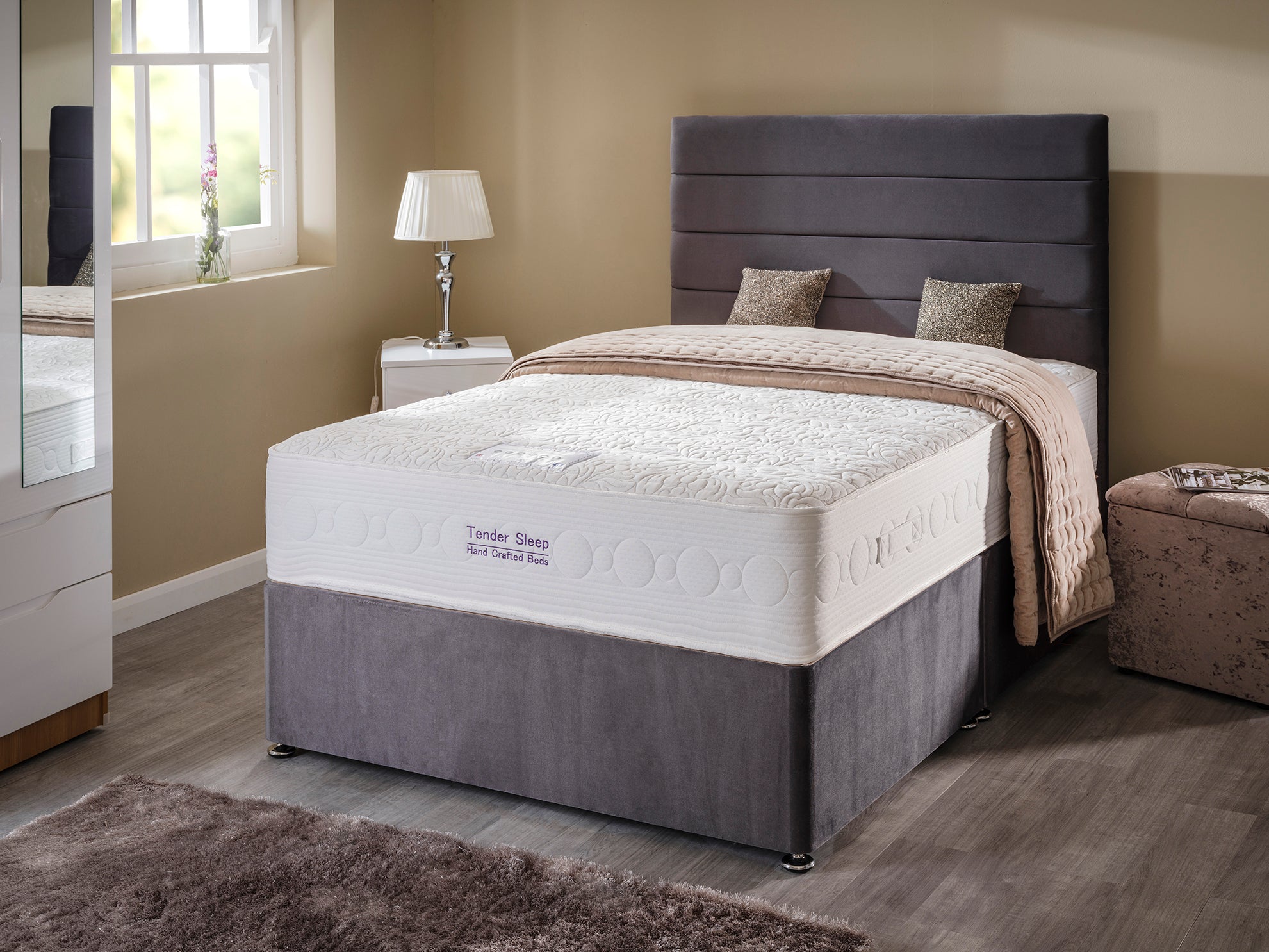
Diamond Laytech 1000 Pocket Spring Mattress
£509.00
Brand: Tender Sleep
Material: foam, pocket springs, fabric
- regarded for advanced comfort
- mimics the feel of natural latex
- hybrid design balances pressure relief with stable support
- pocket springs aid airflow and help reduce motion transfer
Diamond Laytech 2000 Pocket Spring Mattress - Premium Foam
£569.00
Brand: Tender Sleep
Material: latex, foam
- 2000 pocket springs for optimal spinal alignment
- Laytech foam offers comfort similar to latex
- higher spring count can refine contouring and motion isolation
- responsive surface supports easy position changes overnight
Organic Cotton Mattress - 2000 Pocket Springs Memory Foam
£609.00
Brand: Tender Sleep
Material: 100% Organic Cotton, Memory Foam, Metal (Pocket Springs)
- 2000 pocket springs for optimal support
- 100% organic materials
- breathable organic-cotton cover enhances surface comfort
- pocket-spring core promotes stability across the sleep surface
Quick guide to choosing among these: lighter-weight sleepers and solo sleepers often find a 1,000-spring hybrid adequately supportive, while couples or those seeking finer contouring may prefer a 2,000-spring build. If textile purity is your priority, consider models showcasing organic cotton in the cover and quilting layers, and always verify which components carry certifications.
How to Choose: Latex vs Latex-Alternative vs Organic Textiles
- Natural latex or latex-like feel: Latex is known for buoyant pressure relief and quick response. If you’re latex-curious or latex-sensitive, latex-alternative foams (like Laytech-style comfort layers) can mimic that springy feel with balanced support.
- Hybrid builds for motion control: Pocket springs (1,000–2,000+ counts) help isolate movement and align the spine—useful for couples and combination sleepers.
- Organic cotton comfort: If textiles are your priority or you have latex sensitivities, organic cotton-based options let you focus on breathable, certified fabrics around supportive spring systems.
Tip: match your choice to your main goal—certified organic latex content, a latex-like feel at a friendlier price, or certified organic textiles wrapped around a stable spring unit. For more detail on feel and durability, see Luxury latex mattresses: comfort and durability explained.
Health & Comfort Benefits: Why Eco Materials Feel Better
High-quality latex and latex-hybrid mattresses are widely recognised for outstanding pressure relief and spinal support. Independent testing consistently scores reputable latex hybrids highly (around the upper range on 10-point scales) for pressure relief—helpful for back comfort and those who change position overnight. For a deeper dive into feel, bounce, and durability, see Luxury latex mattresses: comfort and durability explained.
For families and sensitivity-conscious buyers, a cleaner, lower-VOC sleep setup matters. Prioritising certified textiles and responsibly-made foams reduces common indoor chemical exposure while keeping the tactile comfort—like upgrading to a suit cut from finer cloth with meticulous tailoring.
Sustainability Comparison: What to Look For (No Greenwashing)
- Certifications:
- GOLS for latex content (if you specifically want certified organic latex).
- GOTS for cotton fabrics and quilting materials.
- Material transparency: full layer descriptions and fibre names (e.g., organic cotton, latex or latex-alternative foam, pocket springs). Avoid vague terms like “eco” without third-party proof.
- Ethical sourcing: how are materials harvested and processed? Traceability indicates genuine sustainability intent.
- Longevity: durable builds reduce waste. Pocket spring + latex or latex-alternative foam combinations often maintain support for years when cared for properly.
Ready to compare more sustainable options? Shop eco-friendly mattresses.
Price–Value Analysis: Getting Bespoke-Level Craft for Less
Your goal is to secure craftsmanship and quality materials at a fair price—like finding a well-constructed suit with lifetime tailoring value. With the mattresses featured here (~£509 to £609), think in terms of cost-per-year:
- Method: Price ÷ years you plan to keep it = cost per year. For example, plan your budget over 8–10 years based on your usage and care routine.
- Where value shows: more pocket springs can enhance motion control and alignment; latex or latex-like layers deliver a resilient, buoyant surface that resists body impressions.
- On a tight budget? Consider latex-like designs that emulate the feel with approachable pricing. Explore more options at Explore latex-alternative foam options.
Buying Checklist (2025)
- Confirm certifications:
- GOLS for natural latex (if seeking certified organic latex specifically).
- GOTS for cotton textiles.
- Check materials by name (e.g., latex, latex-alternative foam, organic cotton, pocket springs). Ask which layers are certified and which are not.
- Assess firmness and response: latex-like layers feel buoyant and quick to adapt; pocket springs stabilise movement.
- Confirm size compatibility with your bed base and room.
- Check practicals: warranty length, delivery and returns policies, and care instructions.
- Understand fire-safety compliance (UK FR standards) and what method is used (e.g., inherent barriers vs topical treatments).
- Shortlist options and compare using a simple matrix: certifications, materials, spring count, price. If textiles are your main priority, browse the Organic cotton mattress collection.
Alternatives if You’re Allergic to Latex
If you’re sensitive to latex but love that buoyant, supportive feel, consider latex-alternative foams and organic cotton builds. They can deliver a similar on-top-of-the-bed sensation with breathable comfort layers.
- Dive deeper into fabric-first designs: Organic cotton alternatives.
- Browse pocket-spring hybrids with latex-like feel: Latex-alternative hybrids.
Set-Up & Care Tips (For Long-Term Performance)
- Rotate regularly: many pocket-spring hybrids benefit from periodic rotation to even out wear.
- Use a breathable protector: helps keep fabrics clean and supports a low-VOC sleep environment.
- Allow for full expansion and ventilation on delivery: improves initial airing and comfort feel.
- Supportive base: use solid or slatted bases with slats typically no more than ~7.5 cm apart to preserve support.
- Avoid bending or folding: carry and position the mattress carefully to protect the spring unit and foam comfort layers.
Craftsmanship Gallery: Materials and Builds Up Close
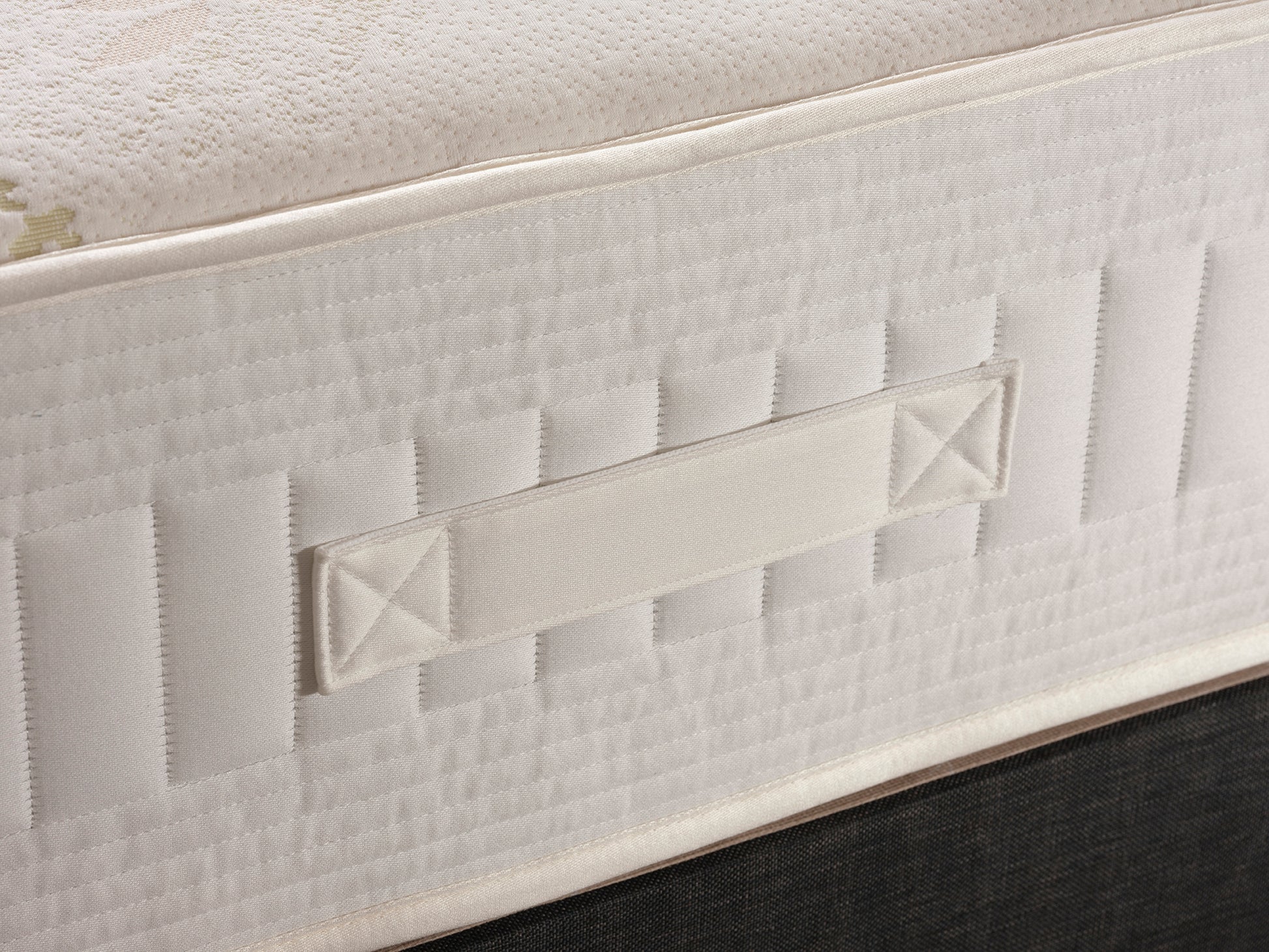
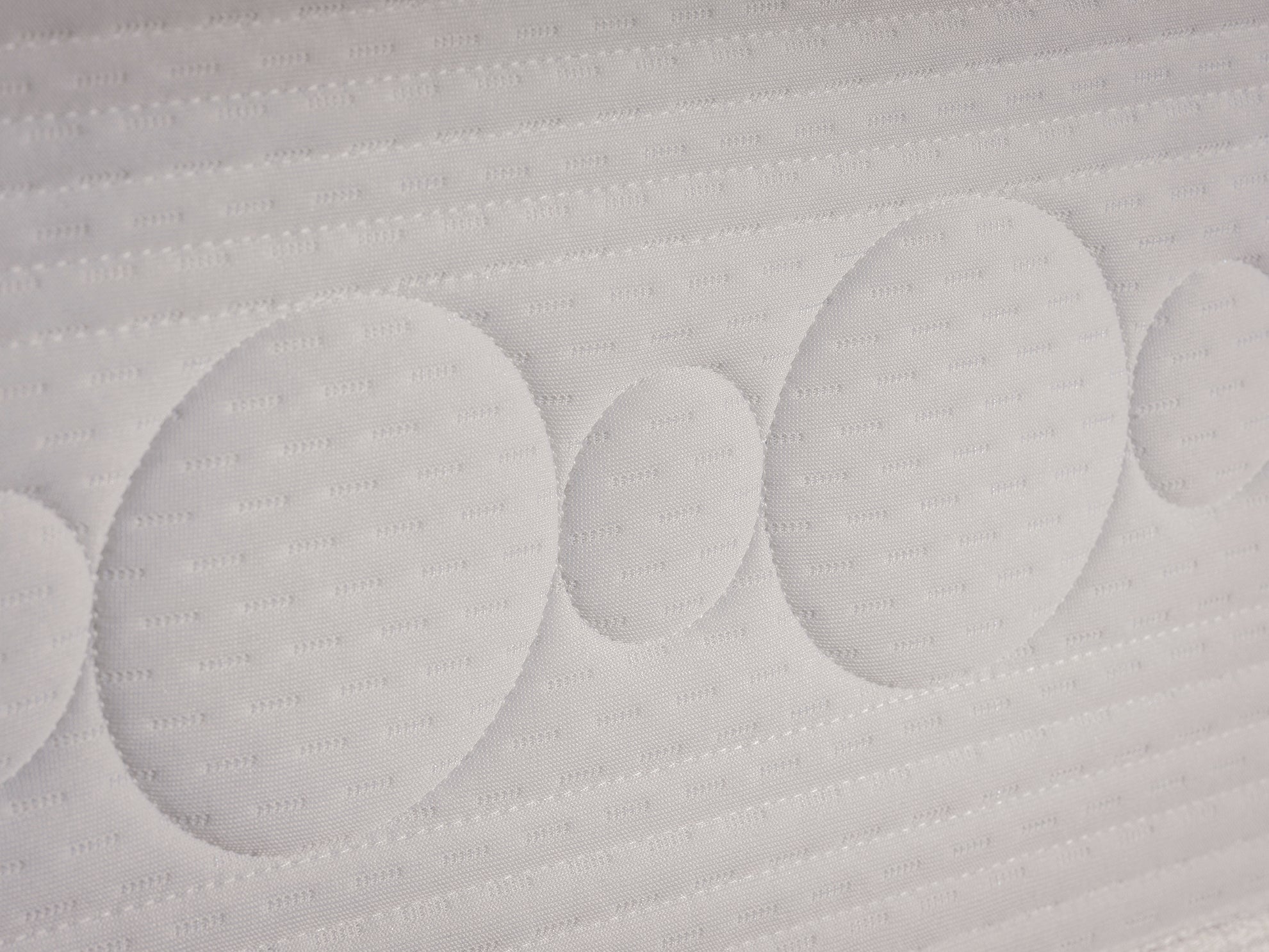
Click any image to view the product. We’ve included multiple angles so you can assess quilting, fabric textures, and build quality—just as you might examine the canvassing and stitching inside a luxury suit.


Which Build Suits Your Sleep Style?
- Side sleepers: typically prefer a surface that gently contours shoulders and hips. Latex and latex-like foams provide pressure relief while pocket springs help alignment.
- Back sleepers: often enjoy a balanced, buoyant feel with stable lumbar support. Higher pocket-spring counts can aid spinal neutrality.
- Stomach sleepers: usually benefit from a supportive feel that keeps the midsection from dipping; responsive comfort layers help maintain alignment.
- Couples: look for pocket springs to reduce motion transfer plus a comfort layer that springs back quickly when you change position.
Tip: If you’re torn between pure latex and latex-like foam, let your priorities guide you. Focus on certified latex if organic latex content is the non-negotiable. If budget and feel come first, consider a latex-alternative hybrid that mimics the responsive “on-top” sensation.
Transparency and Trust: Avoiding Greenwashing
Consumers are clear: certifications and third-party verification are key differentiators. Here’s a simple rule-of-thumb:
- If the product claims “organic latex,” look for GOLS.
- If the fabric claims “organic cotton,” look for GOTS.
- Ask for precise material names and where they sit (cover, comfort layer, core). Avoid vague descriptors.
- When in doubt, request certificate details or license numbers to verify claims.
Frequently Asked Questions
Q: Do latex and latex-like mattresses sleep hot?
Latex and latex-like foams are generally more responsive and can feel cooler than slow-sinking foams. Pocket springs further enhance airflow.
Q: What if I have a latex allergy?
Consider latex-alternative foams and organic cotton builds. Explore options at Latex-alternative hybrids and Organic cotton alternatives.
Q: How do I compare value fairly?
Map materials, certifications, and spring count alongside price. Then estimate cost-per-year using your expected ownership period.
Q: What firmness should I choose?
Match firmness to sleeping position and body type. Side sleepers often prefer a bit more cushioning, while back and stomach sleepers typically do better with balanced to firmer support.
Q: Do I need a special base?
Most hybrids perform well on platform or slatted frames. Ensure slats are supportive and appropriately spaced to preserve the spring unit and overall feel.
Final Word: Buy Like a Connoisseur
As with a luxury suit, the right mattress blends quality materials, meticulous construction, and a fit that feels “tailored” to your body. For many UK buyers in 2025, that means prioritising verified organic textiles and natural latex or latex-like comfort systems, supported by pocket springs for stability and motion control. Choose with a craftsman’s eye—materials first, transparency second, then value that holds up year after year.