

Best Mattresses Under £500 for Back Pain: A Craftsmanship-First Guide
A good mattress should feel like a well-tailored Italian suit: supportive at the shoulders and hips, structured through the lumbar, and finished with quality materials that last. If you’re dealing with back pain on a budget, you don’t need to sacrifice that refined, tailored feel. Below, we blend medical considerations with practical buying advice and specific models featured in Mattress Land’s guides to help you find strong support and long-term value—often without crossing the £500 mark in common sizes during sales.
Key Takeaways / Summary
- Target budget: Under £500 typically buys a supportive orthopaedic or memory foam option in common UK sizes during promotions.
- Best for back pain: Pocket-sprung or hybrid models for contour-and-lift; memory/gel foam for pressure relief; medium-firm to firm feels for most back sleepers.
- Quality markers (budget-friendly): Hand tufting, reinforced edge support, ≥1000 pocket springs (king) or robust open-coil, and medium/high-density comfort foams.
- Craftsmanship angle: Look for mattresses built like luxury suits—structured support “canvas,” considered zoning, and durable tufting/stitching to hold shape.
- Sleep position: Side sleepers often prefer medium to medium-firm with deeper cushioning; back sleepers usually medium-firm to firm for lumbar alignment.
- Materials to watch: Memory foam (pressure relief), gel foam (cool-touch feel), pocket springs (independent support), and breathable covers.
- How to choose: Match firmness to weight and sleep style; ensure your hips don’t sink below your shoulders; prioritise spinal alignment over ultra-plush feel.
- Research more: See Mattress Land guides like 10 Best Orthopedic Mattresses for Back Pain Relief and Top 5 Affordable Memory Foam Mattresses Under 500.
Medical context: back pain basics and what your mattress must do
Most non-specific back pain stems from poor spinal alignment, muscle strain, or disc irritation. Your mattress should keep the spine in a neutral curve, reduce pressure at the shoulders/hips, and prevent your pelvis from sinking too far. As a rule of thumb:
- Back sleepers: medium-firm to firm support maintains a neutral lumbar curve and deters hip sink.
- Side sleepers: medium to medium-firm with enough upper-layer cushioning to soften shoulder/hip pressure while the core keeps you level.
- Front/stomach sleepers: generally firmer to prevent the lower back from overarching.
- Higher body weight: opt for firmer, more robust spring systems or denser foams to maintain alignment over time.
Pocket-sprung and hybrid builds offer lift and tailoring—like a bespoke suit’s structured canvas—while quality memory/gel foams add pressure relief. Look for thoughtful details (hand tufting, sturdy side rails) that reflect craftsmanship and preserve long-term support. If you want a curated starting point, the orthopedic/back pain roundups on Mattress Land are a helpful first scan.
Top recommendations (featured in Mattress Land guides)
Below are specific models that appear across Mattress Land’s expert articles. Use them as a shortlist and check current pricing for sizes under £500. Each card links to the relevant Mattress Land guide where the product is featured or discussed.
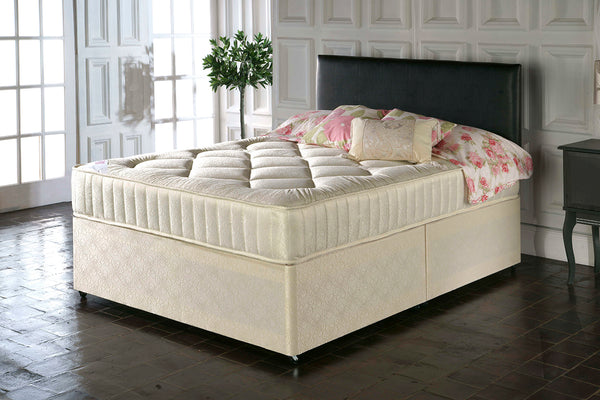
Galaxy Ortho Mattress
Price: Check current price
Brand: Not specified
Material: Not specified
- Orthopaedic-focused design (per model name)
- Featured in Mattress Land’s affordable orthopedic roundup
- Typical feel: on the firmer side for lift through hips and lower back
- Best for: back or stomach sleepers who want a no-sink, supportive surface
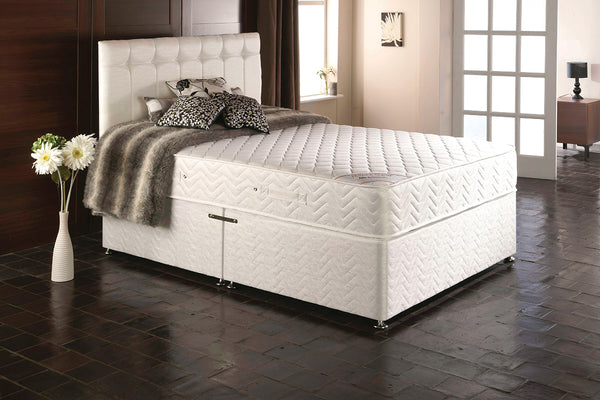
Elite Orthopaedic Mattress
Price: Check current price
Brand: Not specified
Material: Not specified
- Orthopaedic-design profile (per model name)
- Included in budget-friendly orthopedic picks
- Typical aim: firm core to keep pelvis from dipping—key for lumbar comfort
- Good fit for: sleepers who prefer a stable, traditional “hotel-firm” feel

Orthopaedic Contract Mattress
Price: Check current price
Brand: Not specified
Material: Not specified
- Orthopaedic support theme (per model name)
- Appears in Mattress Land’s orthopedic budget guide
- Contract-style builds often favour durability—useful for heavier use
- Consider if: you need firmer, consistent support across the full surface
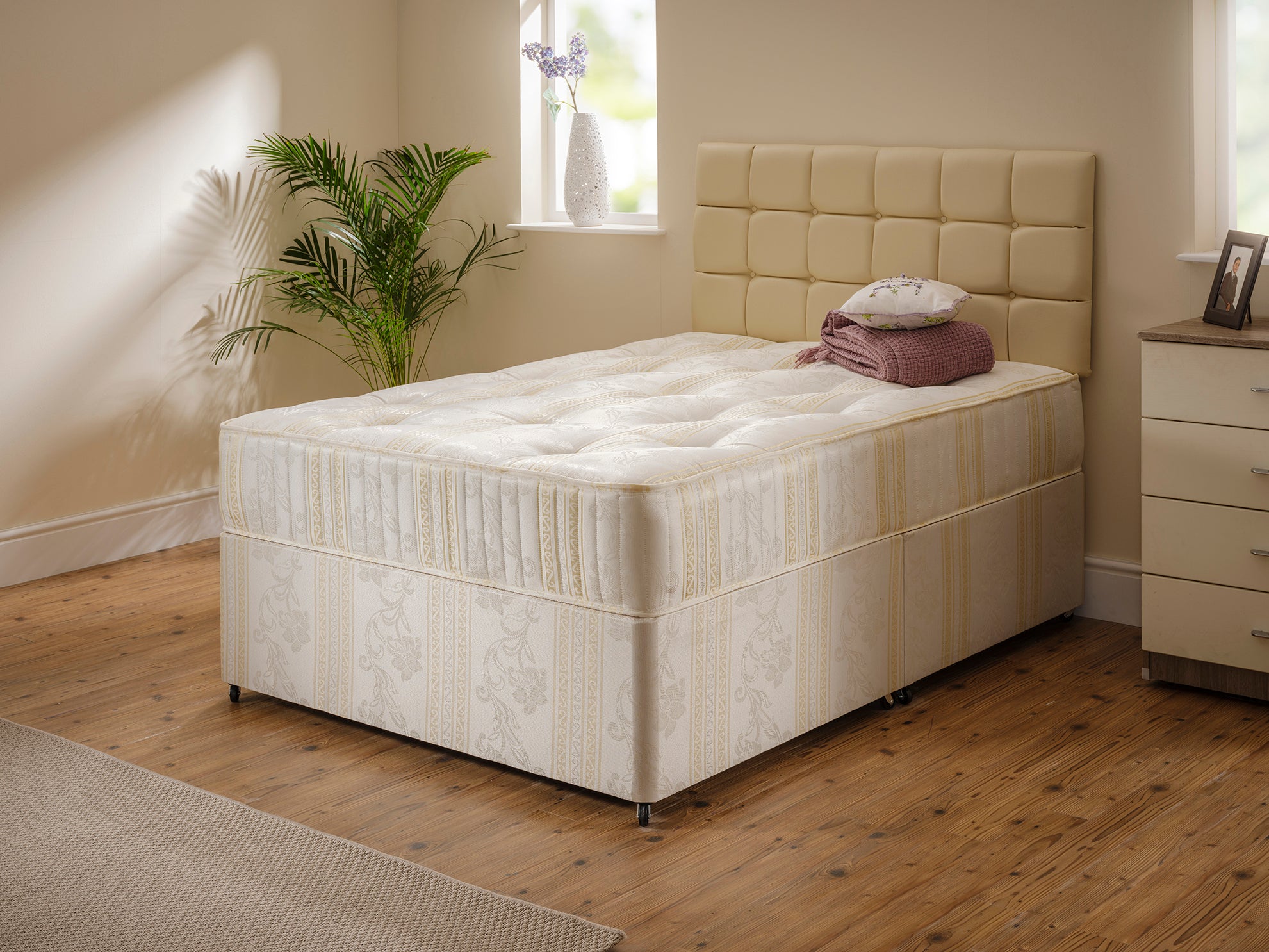
Tufted Ortho Mattress
Price: Check current price
Brand: Not specified
Material: Not specified
- Orthopaedic design with tufted finish (per model name)
- Highlighted among affordable ortho options
- Hand-tufting helps keep fillings evenly distributed over time
- Likely suits: back sleepers needing firmer, shape-holding support
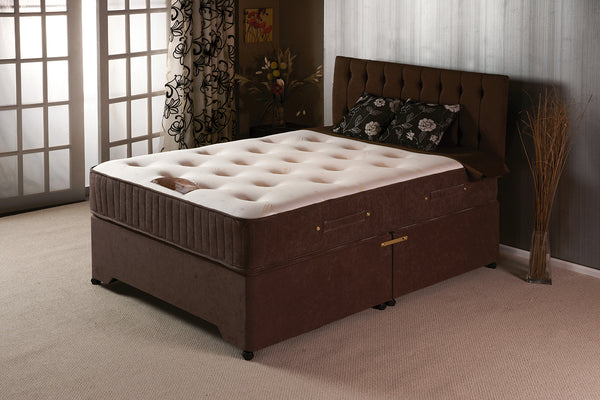
Memory Ortho Mattress
Price: Check current price
Brand: Not specified
Material: Memory foam
- Memory foam comfort component (per model name)
- Orthopaedic theme for structured support
- Combination of contour (foam) and lift (firm core) targets lumbar alignment
- Good for: side-and-back sleepers who want pressure relief without deep sink

Memory Comfort Mattress
Price: Check current price
Brand: Not specified
Material: Memory foam
- Memory foam comfort layer (per model name)
- Featured in affordable memory foam roundup
- Typical feel: cushioned top for shoulder/hip relief with a stabilising base
- Best for: side sleepers or lighter frames seeking gentle contouring
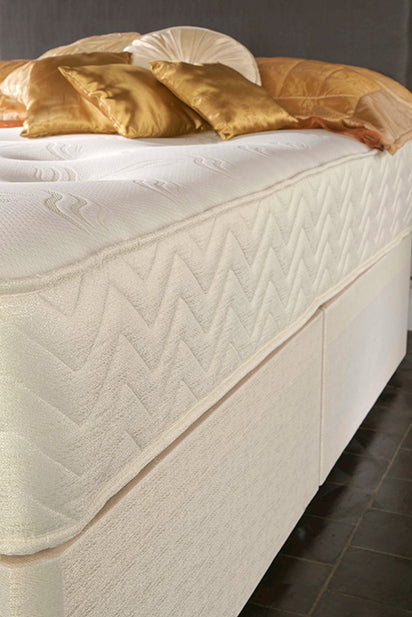
Memory Sprung Mattress
Price: Check current price
Brand: Not specified
Material: Memory foam + springs (hybrid)
- Hybrid build combining memory foam and springs (per model name)
- Featured in couples’ pocket-sprung guide
- Balanced contour and lift; often better for motion control between partners
- Versatile choice for mixed sleeping positions
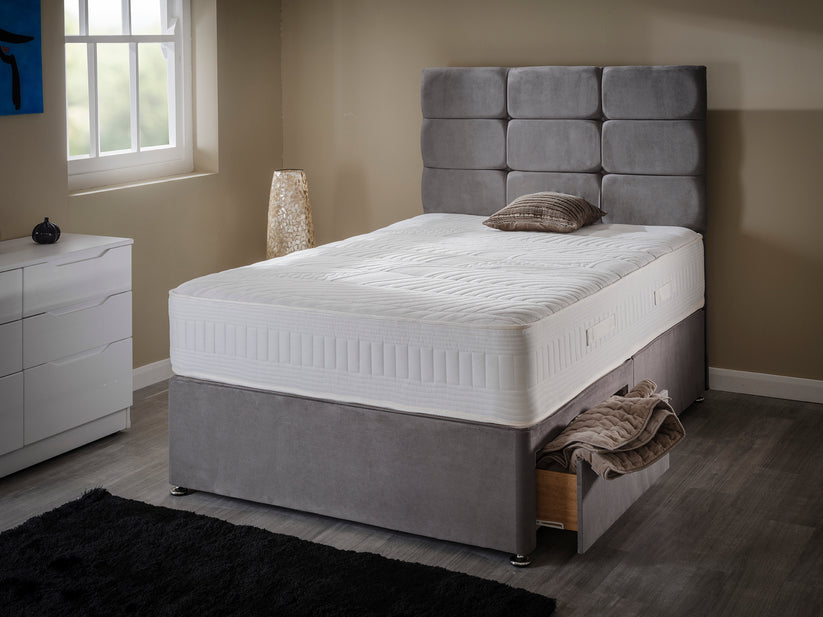
Topaz Gel Foam Mattress
Price: Check current price
Brand: Not specified
Material: Gel foam
- Gel foam comfort layer (per model name)
- Appears in affordable memory foam guide
- “Cool-touch” feel can help heat-sensitive sleepers stay comfortable
- Good balance for side sleepers who still want a supportive base
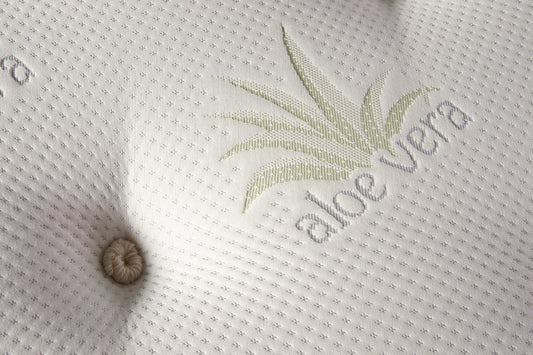
Aloe Vera Mattress
Price: Check current price
Brand: Not specified
Material: Not specified
- Aloe Vera line (per model name)
- Featured in orthopedic/back pain roundup
- Often chosen for its soft-to-touch cover and fresh-feel presentation
- Consider if you like a clean, breathable surface fabric with supportive core
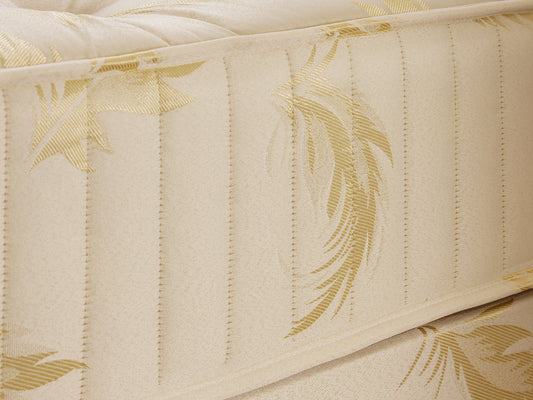
Knightsbridge Ortho Mattress
Price: Check current price
Brand: Not specified
Material: Not specified
- Orthopaedic-focused naming for support
- Listed among back-pain-friendly options
- Likely prioritises firm, even support with reinforced perimeter
- Best for: sleepers who value stable edges and a flatter sleeping plane
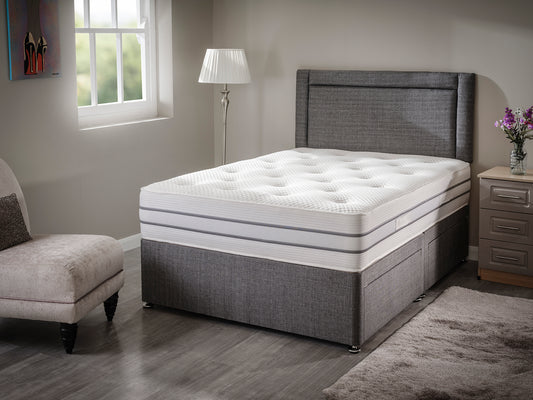
Emerald Mattress
Price: Check current price
Brand: Not specified
Material: Not specified
- Featured in Mattress Land’s orthopedic/back pain article
- Details not specified on source page
- General guidance: expect supportive core with comfort layer for pressure relief
- Suitable for: value-seekers who want an everyday back-supporting build
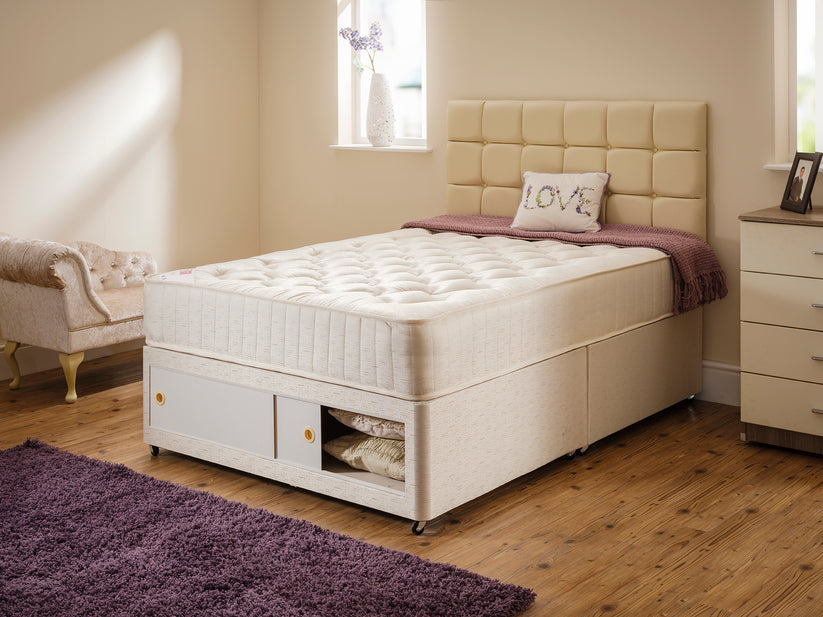
Crystal Mattress
Price: Check current price
Brand: Not specified
Material: Not specified
- Appears in affordable memory foam roundup
- Details not specified on source page
- Likely aim: soft-to-medium comfort layer over a supportive core
- Consider if you want a gentle top feel without sacrificing alignment
Value analysis: why these models punch above their price
Back pain relief on a budget comes down to structured support and material integrity. Models carrying “Ortho/Orthopaedic” naming cues are typically designed for firmer, more robust support cores—akin to a tailored jacket’s interlining—so your spine stays neutrally aligned. Memory and gel foams add that fine Italian-suit-like drape: they contour at the shoulders and hips to relieve pressure while the core keeps your posture set.
In the sub-£500 range (varies by size and promotion), prioritise:
- A supportive core: pocket springs for precise response, or a strong open-coil unit with reinforced edges.
- Comfort layers with integrity: memory or gel foam that resists bottoming out, keeping pressure low without losing alignment.
- Craft details: hand tufting and tight stitching that hold fillings in place—an echo of craftsmanship that preserves longevity.
Comparison at a glance
| Build Type | Typical Feel | Good For | Back Pain Notes |
|---|---|---|---|
| Pocket-sprung | Lifted, responsive, tailored | Back and combo sleepers | Helps keep hips and shoulders level; look for sturdy edge support. |
| Memory foam | Body-hugging, pressure relieving | Side sleepers, light-to-average build | Choose medium to medium-firm to avoid excessive sink at the pelvis. |
| Hybrid (foam + springs) | Balanced contour and lift | Couples, wider range of sleepers | Great all-rounder for support plus pressure relief. |
Buying framework: choose like a pro
Use this quick matrix to shortlist confidently:
-
Primary sleep position:
- Back: medium-firm or firm with a supportive core (e.g., “Ortho” lines).
- Side: medium to medium-firm with a pressure-relief layer (memory or gel foam).
- Combination: responsive pocket springs or a balanced hybrid.
-
Body weight:
- Light (<65 kg): medium to medium-firm so you don’t float on top.
- Average (65–95 kg): medium-firm core with conforming comfort layer.
- Higher (>95 kg): firmer cores, robust edge rails, denser foams.
-
Pain location:
- Lower back (lumbar): avoid excessive hip sink; choose a firmer core.
- Upper back/shoulders: ensure enough top-layer cushioning—especially for side sleeping.
- Heat sensitivity: consider gel foam or breathable spring systems.
- Budget discipline: watch for promotions to secure under-£500 pricing in common sizes.
- Lie as you normally sleep; ask someone to take a side-on photo at mattress height.
- Your spine should look reasonably straight (side) or neutrally curved (back).
- Slide a hand under your lower back: too tight = overly soft; big gap = overly firm.
Quality indicators in budget orthopedic mattresses
- Spring system: pocket springs deliver more precise support; robust open-coil can work if the build is firm and well-tufted.
- Foam density: denser memory/comfort foams resist impressions and keep alignment stable.
- Tufting and stitching: helps hold fillings in place—classic craftsmanship that maintains the “tailored” feel.
- Edge support: reinforced sides reduce roll-off and preserve usable surface area.
- Cover and quilting: breathable knits can moderate heat and improve touch comfort.
- Safety/compliance: look for stated certifications or standards (e.g., BS 7177) where brands disclose them.
Set-up, break‑in, and care
- Allow foam layers to expand fully (often up to 72 hours) and air out any new-mattress smell.
- Rotate head-to-toe every 1–3 months (unless specified otherwise) to even out wear.
- Base matters: use a flat, supportive base; slatted frames should have appropriately spaced slats to avoid sagging.
- Use a breathable mattress protector to keep the surface clean without trapping heat.
Examples: matching the mattress to the person
- Side-sleeping office worker with shoulder pressure: a medium to medium-firm hybrid or memory foam option (e.g., models with “Memory” or “Gel Foam” in the name) to cushion shoulders while the core maintains alignment.
- Back-sleeping gym-goer with tight lumbar area: an “Ortho/Orthopaedic” model for firmer lift at the hips and mid-back so the spine rests neutrally.
- Couple with different sleep styles: a hybrid memory-sprung option for balanced contour and lift, often better for motion isolation.
Frequently asked questions
What mattress firmness is best for back pain under £500?
Most back pain sufferers do well on medium-firm to firm, depending on body weight and sleep position. Side sleepers may prefer a touch more top-layer cushioning.
Are cheaper orthopedic mattresses durable?
Yes—if the build is solid. Look for pocket springs or robust open-coil, hand tufting, reinforced edges, and denser foams. Craft details matter for longevity.
Is memory foam good for back pain?
It’s excellent for pressure relief; just ensure the core is supportive so your hips don’t sink too far. Hybrids are a good compromise.
How do I know a mattress supports my spine?
Lie in your normal position: your hips and shoulders should stay aligned and your lower back shouldn’t sag. If in doubt, choose models designed around orthopedic support.
Do I need a special base?
A flat, supportive base is essential. Slatted frames should have appropriately spaced slats to avoid sagging; divans offer even support.
How thick should a budget mattress be for support?
As a general guide, 20–28 cm works for many sleepers. Thicker isn’t always better—prioritise core quality and firmness over sheer height.
Deep dive research and further reading
- 10 Best Orthopedic Mattresses for Back Pain Relief
- 10 Affordable Orthopedic Mattresses Worth Buying for Better Sleep
- Top 5 Affordable Memory Foam Mattresses Under 500
- Best Pocket Sprung Mattresses for Couples
Why the “Italian craftsmanship” mindset helps at any budget
Think like a master tailor: start with the structure (support core), then refine the drape (comfort layers), and finally choose finishes (tufting, edge rails, cover) that keep everything in shape. Even under £500, you can prioritise quality materials and construction—so the mattress wears in, not out—supporting your back night after night with the same confidence as a bespoke suit. For more context and options, browse the guides above and match what you learn to your body, sleep style, and room conditions.