

Affordable Luxury Mattresses £200–£400 UK Comparison: A Craftsmanship-First Buyer’s Guide
Think of an affordable luxury mattress like a well-tailored Italian suit: the elegance comes from the cut, the lining, the hand-finishing—details you can’t fake. In the £200–£400 bracket, you’re shopping for smart craftsmanship and quality materials without the couture price tag. This guide gives you a clear framework to compare models, spot red flags, and choose the right feel for your body and budget—minus the marketing fluff. Use it as your map from shortlisting to final selection so every night feels quietly premium.
Key takeaways / summary
- Price band focus: £200–£400 typically buys you dependable pocket-sprung or memory/gel foam hybrids with respectable build quality. Prices vary by size; verify at checkout.
- Craftsmanship cues: pocket springs for targeted support; comfort foams (memory/gel/latex-like) for pressure relief; breathable natural fabrics (e.g., organic cotton, cashmere blends) for a refined finish—like the lining of a luxury suit.
- What to look for: pocket-sprung support, consistent edge stability, breathable quilting, removable/breathable covers where offered, and a sensible warranty/aftercare policy from the retailer.
- Red flags: vague foam descriptions, overly thin comfort layers, flimsy edge support, and no clarity on construction.
- Best-for at a glance:
- Couples: motion-isolating foams over pocket springs.
- Back pain: orthopaedic-style support with a pressure-relief top layer.
- Hot sleepers: gel-infused or breathable natural fibres (e.g., organic cotton blends).
- Side sleepers: a medium feel with pressure-relief comfort layers.
- How to compare: use the side-by-side table below, check the quality checklist in-store, and run the cost-per-sleep calculator to judge long-term value.
- Learn more: see Mattress Land’s in-depth guides on affordable memory foam, durable innerspring support, cashmere finishes, and organic cotton options.
What “affordable luxury” should mean at £200–£400
Affordable luxury is craftsmanship-first. Like a premium suit that uses a quality canvas and a refined lining, the best-value mattresses in this range blend sound support with comfort materials and a clean finish. Expect honest materials, tidy stitching, and a feel that’s supportive without being rigid.
- Support core: pocket springs (for body-contouring support and reduced motion transfer) or a well-balanced foam core. Pocket springs remain the gold standard for adaptive support in this bracket. In a UK double, spring counts around 800–1,500 are common (exact numbers vary by brand; higher isn’t always better without good comfort layers).
- Comfort layers: memory foam (pressure relief), gel foam (cool touch/temperature moderation), or latex-like foam (responsive “buoyant” comfort) layered above the support core. Aim for a meaningful depth you can actually feel, not just a thin quilt.
- Cover and quilting: breathable, smooth-to-the-touch fabrics; in some models you’ll see natural fibres (e.g., organic cotton, cashmere blends) used as a top finish for a soft, airy feel.
- Edge support: consistent edge-to-edge stability helps with usable sleeping surface—ideal for couples or smaller UK bedrooms.
- Warranty and aftercare: prefer transparent retailer policies; a clearly-stated warranty indicates confidence in construction quality.
Expert tip: In this price band, pocket-sprung cores plus a thoughtful comfort layer (memory, gel, or latex-like) deliver the most balanced “tailored” feel—much like a half-canvassed Italian suit that drapes cleanly without weighing you down.
Red flags to avoid
- Vague foam descriptions with no clarity on type or layering.
- Minimal comfort layers that “bottom out” under hips/shoulders.
- Poor edge integrity that collapses when you sit—reduces usable surface.
- Overly glossy marketing without construction detail or clear aftercare.
- Total depth that’s unusually shallow for the category (e.g., sub-20 cm) without compelling design justification.
Side-by-side comparison framework (fill this in as you shop)
Use this table to compare any 5–7 models you’re considering in the £200–£400 range. You can pull details from retailer pages and add your own comfort notes after testing in-store or reading reviews. Tip: score 1–10 by comparing each model against the others on your list (not against perfection), and note whether the stated “feel” matches your experience.
| Model | Type | Feel (Soft–Firm) | Support (1–10) | Pressure Relief (1–10) | Temperature (1–10) | Motion Isolation (1–10) | Edge Support (1–10) | Warranty | RRP (Double) |
|---|---|---|---|---|---|---|---|---|---|
| [Your pick #1] | Pocket / Foam | £ | |||||||
| [Your pick #2] | Pocket / Foam | £ | |||||||
| [Your pick #3] | Pocket / Foam | £ | |||||||
| [Your pick #4] | Pocket / Foam | £ | |||||||
| [Your pick #5] | Pocket / Foam | £ |
Product showcases: craftsmanship-forward examples
Below are visual examples that show the types of builds and materials discussed in this guide. Click through to read more in the related Mattress Land articles. Where details weren’t provided in the source, we’ve left fields unspecified rather than speculate. Use the notes to decide if the category fits your feel and sleeping style.

Knightsbridge Ortho Mattress
—
Brand: Not specified
Material: Not specified
- Orthopaedic-style support focus
- Details not provided in source

Emerald Mattress
—
Brand: Not specified
Material: Not specified
- Edge-to-edge stability (as shown in source)
- Details not provided in source

Diamond Laytech 1000 Pocket Mattress
—
Brand: Not specified
Material: Laytech comfort, 1000 pocket springs (per product name)
- Latex-like comfort layer (per naming)
- Pocket-sprung support (per naming)
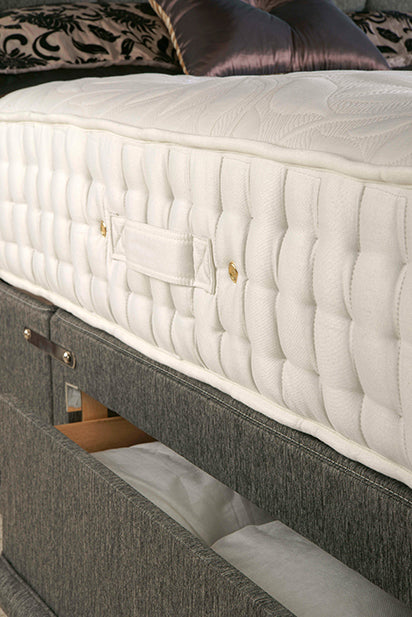
1000 Pocket Supreme Mattress
—
Brand: Not specified
Material: 1000 pocket springs (per product name)
- Pocket-sprung core
- Details not provided in source
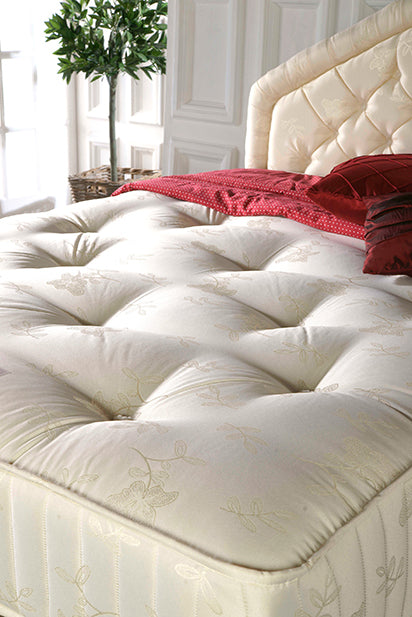
Luxury Gold Mattress
—
Brand: Not specified
Material: Not specified
- Comfort-forward “luxury” finish (per naming)
- Details not provided in source

Cashmere Pocket Mattress
—
Brand: Not specified
Material: Cashmere finish, pocket springs (per product name)
- Breathable natural-fibre touch
- Pocket-sprung core (per naming)

Galaxy Ortho Mattress
—
Brand: Not specified
Material: Not specified
- Orthopaedic-style support focus
- Details not provided in source

Memory Comfort Mattress
—
Brand: Not specified
Material: Memory foam (per product name)
- Pressure-relief foam (per naming)
- Details not provided in source
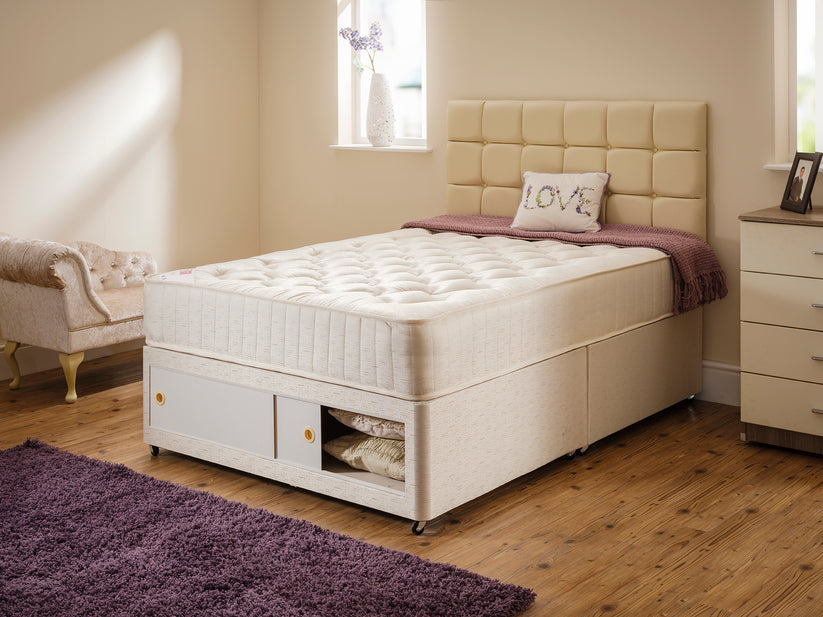
Crystal Mattress
—
Brand: Not specified
Material: Not specified
- Comfort-forward finish
- Details not provided in source
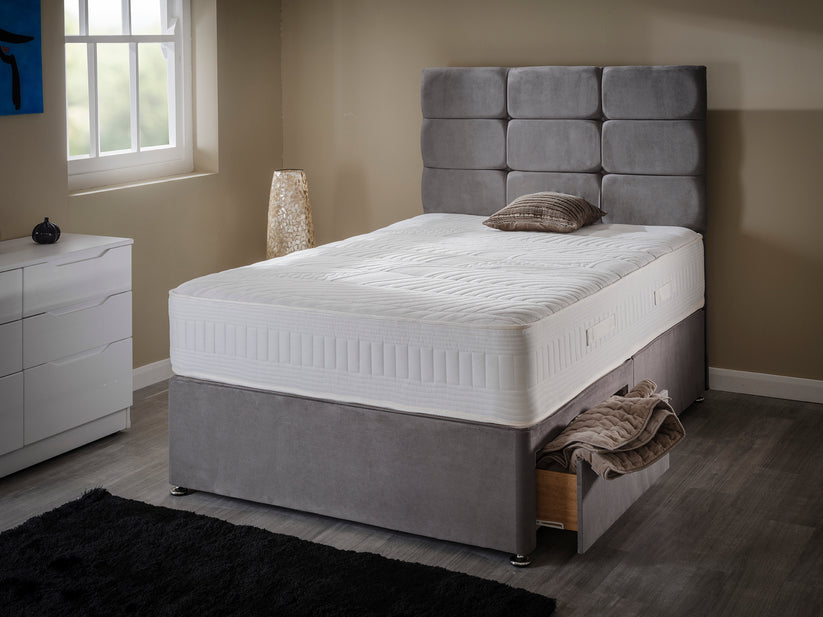
Topaz Gel Foam Mattress
—
Brand: Not specified
Material: Gel foam (per product name)
- Cooling-leaning comfort layer (per naming)
- Details not provided in source
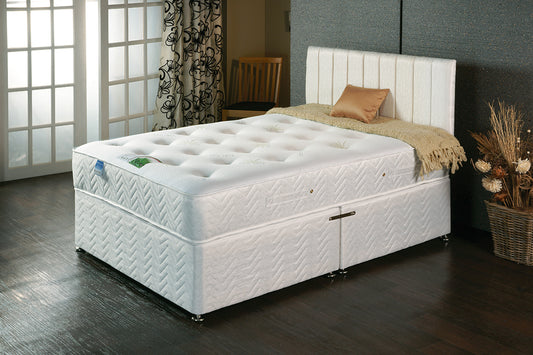
Aloe Vera Mattress
—
Brand: Not specified
Material: Aloe vera fabric (per product name)
- Soft-touch, wellness-oriented cover (per naming)
- Details not provided in source

Organic Cotton Mattress
—
Brand: Not specified
Material: Organic cotton (per product name)
- Breathable natural fabric (per naming)
- Details not provided in source
“Best for” recommendations by sleeper need
Use these pointers to narrow your shortlist, then compare candidates with the framework above. If you’re between two models, prioritise the one with clearer construction details and better edge support—it usually signals a better long-term experience.
- Couples: prioritise motion isolation (memory/gel foam comfort layers over pocket springs) and solid edge stability for a larger usable surface. For deeper reading, see this memory foam guide for couples.
- Back pain: look for orthopaedic-style builds with an adaptive top layer. Firmness should support neutral spine alignment without creating pressure points; also see orthopaedic mattresses.
- Hot sleepers: gel foam comfort or breathable natural fibres (e.g., organic cotton, cashmere blend) can help; this overview on temperature-regulating builds is a useful primer.
- Side sleepers: a medium comfort with pressure-relieving top layers; explore top picks for side sleepers.
- Parents/guest rooms: breathable, durable finishes and balanced support; see organic cotton options for families.
Expert tip: When you lie down, give your shoulders and hips a few minutes to settle. If the top layer feels plush but your lower back is supported—like a suit jacket that sits cleanly on the shoulders—you’ve likely found the right balance.
Cost-per-sleep calculator (see your true long-term value)
A straightforward way to compare value is to divide your total price by the nights you’ll use it. Use the quick calculator below. For context, a £350 mattress used for six years is roughly £0.16 per night—less than most take-away coffees—so a small upgrade that improves sleep can be great value.
Quality checklist you can use in-store (or online)
- Construction clarity: Is it pocket-sprung, memory foam, gel foam, or a hybrid? Are layer types described clearly?
- Comfort layer depth: Is there a meaningful top layer for pressure relief (shoulders/hips), not just a thin quilt?
- Edge support: Sit and lie near the perimeter. Do you feel secure, with minimal roll-off?
- Cover and finish: Breathable fabric, smooth stitching, and neat borders indicate care—like hand-finished seams on a fine suit.
- Aftercare: Are warranty terms clearly stated? Is delivery/returns support straightforward?
- Standards and care: Look for foam safety/compliance mentions (e.g., REACH/CertiPUR where applicable), a care label, and simple rotation guidance.
Materials and temperature: matching comfort to climate
Warm sleepers benefit from breathable cover fabrics (e.g., organic cotton) or gel-oriented foams that don’t trap heat. Open-cell foams and pocket springs can also improve airflow versus dense, closed-cell builds. If you tend to wake up warm, start by reading this comparison of temperature-regulating builds. For a softer, luxury feel with a natural touch, explore the cashmere-focused guide and organic cotton round-up.
Support and sleep position: tailoring your “fit”
Back sleepers typically prefer balanced to slightly firmer support, while side sleepers often enjoy a medium feel with a pressure-relief comfort layer. Stomach sleepers do best with stable, supportive builds that keep the hips from dipping. If you’re between sizes or sharing, lean towards better edge support for more usable width. For deeper dives, see Side Sleeper picks and orthopaedic options.
Motion isolation and edge stability for couples
For partners with different schedules, foam comfort layers over pocket-sprung cores can dampen movement transfer. Also assess edge stability—more usable width means fewer midnight elbows. If one sleeper is significantly heavier, check that the support doesn’t “tilt” you towards the centre and that edges feel equally firm. For couple-specific shopping pointers, tap this couples’ memory foam guide.
Warranty, delivery, and the service finish
As with a luxury garment, aftercare matters. Check the retailer’s warranty terms and delivery policies up front and keep an eye out for transparent, easy-to-reach support channels. Confirm simple returns and whether the mattress is single- or double-sided (rotating a one-sided mattress still helps even wear). Browse Mattress Land’s latest guides on the News page for model-specific advice and year-round tips.
Final selection steps
- Shortlist 5–7 models that match your feel and material preferences.
- Use the comparison framework to score support, pressure relief, temperature, and edges.
- Run the cost-per-sleep calculator within your budget band (£200–£400).
- Revisit red flags; remove any model that lacks clear construction info.
- Choose the one that feels “tailored” to you—balanced support plus a comfort finish that suits how you sleep and run warm/cool.
For more craftsmanship-first buying advice and smart-value picks across different materials and sleepers, explore:
- Affordable Memory Foam Mattresses
- Durable Innerspring Builds
- Cashmere-Lined Comfort
- Organic Cotton Options
A well-chosen mattress in this price range should feel quietly premium every single night—like a suit that always fits. Focus on construction, materials, and finishing quality, and let the table and checklist guide your final decision.